close

August 2026

Industry

Expansion Options Built Into Reliant Powder Coating Systems

Growth can expose the limits of a finishing line long before the equipment actually wears out. Smart expansion planning gives manufacturers a way to add capacity, improve handling, or increase automation without rebuilding the entire operation at once. Expandable equipment also helps a business respond to larger parts, higher order volume, and new finishing requirements as customer demand changes without wasting floor space or disrupting equipment that still performs well during normal daily operation.

Modular Booth Extensions Make Future Part Sizes Easier to Handle

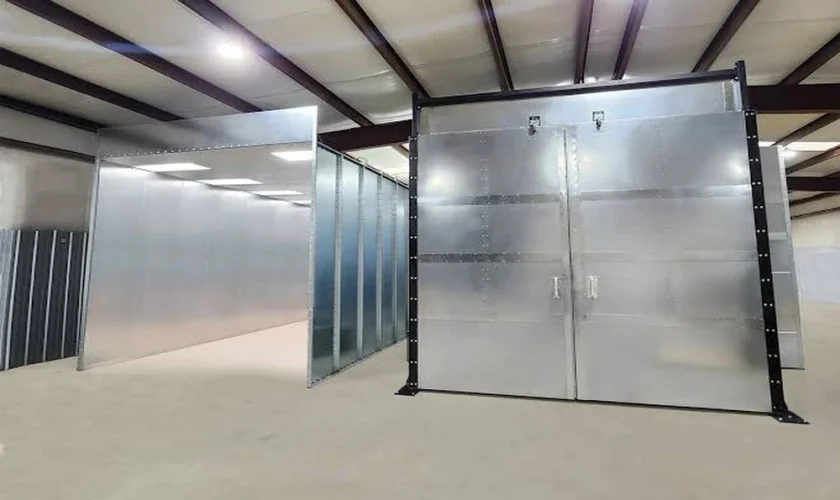
Larger products can quickly outgrow the original spray area, especially when a shop begins taking on taller frames, longer weldments, or wider fabricated assemblies. Modular wall and roof extensions can give a powder coating booth more usable height, width, or length while preserving the basic structure of the existing finishing area and avoiding an unnecessary full replacement.

Additional booth space can also improve gun access and reduce awkward part positioning during application. For growing shops, Reliant powder coating equipment can support business growth by allowing facilities to plan around changing part dimensions instead of replacing an otherwise useful booth simply because the product mix has changed.

Can Curing Capacity Grow Along With Production?

Higher throughput often places the greatest pressure on the oven because coated racks can accumulate faster than dense loads can reach cure temperature. Adding or upsizing Reliant powder coating ovens gives a manufacturer more room to process increased volume while keeping booth output from turning into a queue outside the curing area during demanding shifts.

Future oven planning should consider part weight, rack density, door openings, heat recovery, and daily batch count rather than chamber size alone. Businesses using a Reliant industrial powder coating oven can handle heavier or larger work when expansion moves production beyond the thermal capacity of a smaller batch setup.

Filtration Upgrades Can Extend Booth Performance

Changing production volume can increase filter loading, powder use, and airflow demand even when the booth enclosure still fits the work. Cartridge filtration modules, multi-stage filters, and adjustable fan controls can improve how Reliant powder coating systems manage overspray and maintain useful airflow as coating activity increases across longer production schedules.

Variable frequency drives can also let operators fine-tune exhaust velocity instead of running the fan at one fixed setting. Better airflow control may help businesses protect application consistency, manage filter life, and adapt booth performance to different operating conditions without adding an entirely separate spray area.

Material Handling Can Expand Without a Full Conveyor Loop

Manual carts work well at lower volumes, but heavier parts and more frequent batches can make repeated lifting and repositioning expensive in labor. Floor tracks, overhead rails, split-top booth openings, and other handling additions can move parts through preparation, coating, and curing along a straighter path with fewer transfers.

Linear systems are especially useful where floor space cannot support the sweeping curves of a large automatic conveyor. Coordinated use of a Reliant powder coating equipment package can help a growing shop align racks, booth access, oven doors, and tracking methods so more work moves through the same footprint with fewer handling delays.

Pretreatment Can Be Added as Finish Requirements Increase

New customers may bring stricter corrosion, adhesion, or appearance requirements that a basic cleaning process cannot support. Multi-stage washers, spray wands, steam cleaning equipment, or blasting areas can be added upstream so the coating line prepares metal more consistently before powder reaches the surface and before higher-value jobs enter production.

Stronger pretreatment capacity also protects the value of later equipment upgrades because a faster booth and larger oven cannot correct contamination left on the substrate. Manufacturers can build Reliant powder coating systems around a more complete preparation process, helping the business pursue jobs that require tighter finish specifications or longer service life.

Automation Can Be Introduced in Stages

Growing order volume does not always justify converting an entire batch operation into a fully automated line. Reciprocators, automatic gun arrays, dedicated powder delivery components, or powered handling sections can be added where repetitive work consumes the most labor while manual flexibility remains available for short runs and unusual parts.

Targeted automation can increase consistency on recurring parts without forcing every product through the same fixed sequence. Shops comparing a Reliant powder coating oven for sale can also coordinate future automation with cure capacity, ensuring faster application does not simply shift the bottleneck to the heating stage.

Utilities and Layout Should Leave Room for the Next Upgrade

Electrical service, gas supply, compressed air, ventilation, and open floor area can limit expansion more than the equipment itself. Early layout decisions should leave reasonable access around controls, filters, burners, doors, and maintenance areas while reserving space for additional racks, tracks, or Reliant powder curing ovens as production grows.

Long-term planning becomes easier when the original equipment is selected with growth in mind. Through Reliant Finishing Systems, manufacturers can evaluate Reliant powder coating equipment and system configurations for added booth capacity, curing capability, filtration, handling, pretreatment, or automation, giving businesses a practical path to expand without treating each new requirement as a complete restart.


read more
Home Improvement

What Makes Vinyl Planks a Practical Choice for High Traffic Areas?

Floors in busy spaces face a daily battle: relentless footsteps, spills, dragging furniture, and the kind of wear and tear that quickly reveals a poor flooring choice. In environments where durability and good looks must coexist, vinyl planks are rising to the challenge.

Challenges of Flooring in High Traffic Areas

Common Issues Faced by Traditional Flooring Materials

Carpet stains refuse to let go. Hardwood scratches at the slightest provocation. Even classic ceramic tiles can chip or crack when faced with heavy loads. The reality is that most traditional floors struggle when exposed to constant use, especially in hallways, retail shops, offices, or family entryways.

The Impact of Heavy Foot Traffic on Durability and Appearance

High traffic amplifies every weakness. Scuffed surfaces become visible paths, while moisture from shoes or cleaning makes wood warp and carpet fibers break down. The result is expensive repairs or a tired-looking floor that drags down the whole space.

Maintenance Difficulties in Busy Spaces

Regular cleaning becomes a chore when the floor absorbs every bit of dirt or moisture. Some materials demand special products or techniques, making simple upkeep a burden. For spaces where downtime is costly, floors that need frequent TLC simply do not make sense.

Why Do Vinyl Planks Stand Out as a Practical Flooring Solution?

Composition and Construction of Vinyl Planks

Vinyl planks are engineered for resilience. Multiple layers work together: a tough wear layer, a printed design layer for aesthetics, and a robust core that resists dents. The latest innovation, Stone Plastic Composite (SPC), takes things further with a rigid, waterproof core ideal for the toughest environments.

Enhanced Durability: Scratch, Stain, and Wear Resistance

The top layer on quality vinyl planks acts like armor. Shoes, shopping carts, pet claws, none leave a permanent mark easily. Stains wipe away without a trace, a serious advantage for both homes and businesses.

Water and Moisture Resistance Benefits

Where wood absorbs and swells, vinyl shrugs off water. Spills, mopping, or even puddles from wet shoes are not a threat. SPC variants, in particular, are fully waterproof, making them suitable for kitchens, entryways, and commercial settings.

Aesthetic Versatility and Design Options

Forget the plasticky look of old-school vinyl. Today’s planks mimic hardwood, stone, or even tile patterns with surprising realism. Wide choices in color, texture, and plank size let designers find a style that fits any vision.

Comparing Vinyl Planks to Other Flooring Types for High Traffic

| Feature | Vinyl Plank | Hardwood | Ceramic Tile | Carpet |

|——————–|———————|———————|———————|——————–|

| Durability | Excellent | Moderate | High (but brittle) | Poor |

| Water Resistance | Excellent | Poor | Excellent | Poor |

| Maintenance | Easy | High | Moderate | Difficult |

| Comfort Underfoot | Good | Good | Hard | Excellent |

| Installation Cost | Low | High | Moderate | Moderate |

| Cleaning | Simple | Specialized | Grout issues | Traps dirt |

Vinyl planks consistently deliver the best combination of durability, ease of care, and affordability among these options.

Key Features That Make Vinyl Planks Ideal for Busy Environments

Thickness and Wear Layer Explained

A thicker plank and a robust wear layer mean a longer-lasting floor. Wear layers typically range from 8 to 20 mil for residential, and up to 30 mil for commercial. The right specs protect against scratches and fading, even with constant use.

Impact of SPC (Stone Plastic Composite) Technology

SPC flooring incorporates a limestone core, giving it superior rigidity and dimensional stability. That translates to minimal expansion, contraction, or warping, regardless of temperature or humidity swings.

Leading suppliers such as Club Ceramic spc flooring offer a range of SPC products designed for demanding environments, making them a go-to resource for property managers and renovators.

Installation Methods Suited for High Traffic Areas

Click-lock systems and floating installations speed up the process and minimize downtime, while glue-down options can enhance stability for larger commercial jobs. Either way, the subfloor needs minimal prep compared to tile or hardwood.

Practical Benefits Beyond Durability

Ease of Cleaning and Maintenance Routines

Dirt and spills do not cling to vinyl planks. Routine sweeping and occasional mopping are enough to keep floors looking fresh, reducing labor and cleaning product costs.

Comfort Underfoot and Noise Reduction

Vinyl planks feel warmer and softer than tile, and many options come with attached underlayment to dampen noise, an often overlooked plus in crowded spaces.

Cost-Effectiveness Over Time

Initial installation costs are low, especially when factoring in reduced maintenance and longer replacement cycles. Over ten years, vinyl often proves more economical than hardwood or tile.

How to Choose the Right Vinyl Plank for Your Space

Assess the amount of foot traffic and type of wear expected. For commercial or busy family zones, choose planks with a thicker wear layer (20 mil or more) and an SPC core for maximum resilience. Style matters too; with the right color and finish, vinyl can blend seamlessly into any décor.

Installation Tips for Longevity in High Traffic Zones

A level, clean subfloor ensures the best results. While DIY installations are possible, professional installers can handle large spaces quickly and ensure long-term stability. Regular sweeping and prompt spill cleanup will keep floors in top condition for years.

Taking Action: Making Vinyl Planks Work for You

Evaluate your needs, choose a trusted supplier, and plan the installation for minimal disruption. With the right product and upkeep, vinyl planks will keep even the busiest spaces looking sharp and functioning flawlessly.

read more
Photography

Best 10 Photography Studio in Singapore

Introduction

Finding the right photography studio in Singapore can build a significant distinctness to the value and experience of your photoshoot. A professional studio gives you greater control over light, training, space, and solitude. It can also support specialized conveniences for portraits, family photography, corporate head-shots, brand photography, and artistic content.

Singapore has many photography workshops, each with its own style. Below are 10 alternatives worth seeing for various photography needs.

H2 Photo Studio

1. Our Services

  • Family and group photography
  • Corporate photography
  • Product and ecommerce shoots
  • Portrait photography
  • Videography and content production

Its location near Bright Hill MRT also provides easy access for clients. For more details, you can also visit the H2 Studio website.

2. Location:

28 Sin Ming Lane, #02-138, Midview City, Singapore 573972

Tomato Photo Studio

1. Our Services

  • Corporate head-shots
  • Professional portraits
  • Family photography
  • Individual profile photos
  • Studio photo sessions

2. Location:

62 Ubi Road 1, Oxley Bizhub 2, #10-23, Singapore 408734

ABC Photography

1. Our Services

  • Family portraits
  • Maternity photography
  • Newborn photography
  • Graduation portraits
  • Corporate photography
  • Pre-wedding photography

This variety makes ABC Photography a valuable option for customers looking for several photography services under individual house.

2. Location:

M38 Jalan Pemimpin, #06-07, Singapore 577178

Bambini Photography

1. Our Services

  • Maternity photoshoots
  • Newborn photography
  • Baby and youth photography
  • Family portraits
  • Graduation photography
  • Cake smash gatherings

The studio is run by appointment, allowing families to plan their sessions around their schedules.

2. Location:

62 Ubi Road 1, #10-24, Oxley Bizhub 2, Singapore 408734

Photomatic

1. Our Services

  • Couple photos
  • Friends’ photoshoots
  • Solo portraits
  • Family meetings
  • Casual social news content

The workshop likewise offers private shooting and online engagement.

2. Location:

107 North Bridge Road, #02-11, Funan, Singapore 179105

Studio03

1. Our Services

  • Portrait photography
  • Profile photographs
  • Creative shoots
  • Fashion photography
  • Social media content

2. Location:

114 Lavender Street, #10-85, CT Hub 2, Singapore 338729

The Beautybox Studio

1. Our Services

The Beautybox Studio offers a centrally located photography studio on North Bridge Road. Its location may be appropriate for clients coming from various parts of Singapore.

It may be suitable for portrait, beauty, personal training, and imaginative photography projects. The workshop background allows photographers to control the atmosphere and achieve more consistent results.

2. Location:

452 North Bridge Road, #02-00, Singapore 188733

Orange Studios

1. Our Services

Its services are centred around main family milestones, making it a valuable choice for individuals and families expecting professionally styled photographs.

Photography gatherings include:

  • Maternity
  • Newborn
  • Fresh 48
  • Family
  • Cake smash

2. Location:

67 Ubi Road 1, #10-03, Oxley Bizhub, Singapore 408730

Shoot You SG

1. Our Services

Shoot You SG is a photography studio located in Ubi. It offers an household surroundings for professional photography and may be considered by individuals and businesses seeking workshop-based portraits.

The workshop may suit individual training, lifestyle photography, professional portraits, and imaginative projects.

2. Location:

33 Ubi Avenue 3, #02-45, Vertex, Singapore 408868

Standard Photo Studio

The studio offers various ideas, including colour, black-and-white, pet, and corporate photo studios.

1. Our Services

2. Location:

565 MacPherson Road, #03-00, Singapore 368234

Conclusion

Take time to compare the neighborhood, facilities, duties, supplies, and engagement necessities of each workshop. Selecting a space that fits your project can help organize a smoother photoshoot and better conclusive photographs.

read more
Industry

What Cutting Into a Weld Actually Reveals

A weld looks perfect from the outside. Even bead, clean surface, nothing an inspector would flag on sight.

Cutting straight through it tells a different story sometimes. That’s the whole point of a macro etch weld test.

Nothing about it is subtle. The sample gets sacrificed to answer a question the surface can’t.

A test that starts by destroying the sample

Most inspection methods try to leave the part intact. This one doesn’t.

A section gets cut from the weld, then ground down and etched with a chemical solution. That etching step is what makes the internal structure visible.

It’s a destructive test by design. What it reveals in exchange usually justifies the loss of one sample.

What etching actually exposes

The chemical reaction attacks the metal unevenly, depending on grain structure and composition. That uneven attack is what makes hidden features visible under low magnification.

A handful of things typically show up once the etch is complete.

  • Grain size and flow direction through the weld and surrounding material
  • Penetration depth, showing exactly how far the weld fused into the base metal
  • Cracks that never reached the surface and would otherwise stay hidden
  • Porosity and voids trapped inside the weld during solidification
  • Overheating conditions that changed the metal’s structure during welding

None of these are visible before the cut. All of them can matter enormously afterward.

Reading grain flow and penetration depth

Grain flow tells an inspector how the metal moved and solidified during welding. Disrupted or irregular flow near the fusion line often points to a problem in how the weld was made.

Penetration depth answers a more direct question. Did the weld actually fuse all the way through, or does a gap sit somewhere underneath a clean-looking surface.

A weld that looks complete from above can still have incomplete penetration hiding just below where anyone would normally check.

Where this proves a welder’s or procedure’s qualification

Welding Procedure Specifications and Welder Performance Qualification Tests both lean on this examination heavily. A procedure can look sound on paper and still produce welds with inconsistent penetration or hidden cracking.

Cutting a sample open settles the question directly. Either the macrostructure holds up under close examination, or it doesn’t.

That result usually decides whether a procedure gets approved, or whether a welder’s qualification test passes. There’s not much room for interpretation once the etched cross-section is sitting under the microscope.

One cut sample standing in for many

A single sacrificed section can’t speak for every weld in a production run on its own. It can speak for the procedure and the welder who made it, though.

That’s the tradeoff at the center of this test. One sample gets destroyed so that the process behind hundreds of other welds can be trusted without cutting into every single one of them.

Running a macro etch weld test on a representative sample is usually enough to qualify the method itself, which is exactly why it works as a standard rather than something done on every finished weld.

read more
Education

How to Choose a Music Program That Prepares You for More Than the Classroom

Choosing where to study music involves more than finding a program with an appealing course list. For aspiring performers, producers, songwriters, engineers, and music-business professionals, the learning environment can shape not only what they know but also how confidently they apply those skills.

A strong music education should therefore be evaluated as a complete experience. Curriculum matters, but so do opportunities to practice, collaborate, receive feedback, explore different disciplines, and understand how professional creative work actually happens.

Start With the Musician You Want to Become

Before comparing schools, define what you want your education to help you accomplish.

Someone hoping to become a touring guitarist will have different priorities from an aspiring recording engineer. A songwriter may need frequent opportunities to create and collaborate, while someone interested in music business may benefit more from understanding marketing, artist development, rights, and the commercial side of the industry.

You do not need a perfectly mapped-out career before enrolling. Creative careers often change direction. However, having a working idea of your interests makes it easier to evaluate whether a program gives you room to develop them.

Look closely at the subjects taught rather than relying only on the title of a degree or certificate. Two programs with similar names may emphasize very different skills.

Ask yourself whether the curriculum develops the abilities you want to use regularly after graduation. Also consider whether there is flexibility to explore adjacent areas. A performer who understands recording can communicate more effectively in the studio, for example, while a producer who understands songwriting may make stronger creative decisions.

Look Beyond the Course List

A curriculum tells you what a school intends to teach. It does not always tell you what studying there will feel like.

Investigate how students actually spend their time. Are they primarily listening to lectures, or are they regularly performing, recording, producing, composing, collaborating, or completing projects? Are there opportunities for individual feedback? Can students work with people outside their primary discipline?

Practical repetition is especially valuable in music because many professional skills become clearer when they are applied. Performing for an audience teaches lessons that cannot be fully reproduced through discussion alone. Producing a complete recording creates different challenges from studying production concepts individually.

When researching different approaches, prospective students can use Musicians Institute as one reference point when comparing contemporary music education pathways and the types of learning experiences schools make available.

The important step is not simply finding the longest list of facilities, classes, or activities. Ask how each resource connects to the learning process. A recording studio has educational value when students actually use it. Performance spaces matter when students have meaningful opportunities to perform. Mentoring is useful when students can receive relevant guidance rather than merely attend occasional presentations.

Evaluate Access to Feedback and Collaboration

Music develops through feedback. Whether someone is practicing an instrument, writing a song, mixing a recording, or developing an artist project, outside perspectives can reveal problems that are difficult to identify alone.

When comparing programs, investigate how feedback is built into the experience. Consider class size, instructor availability, individual lessons or advising, critiques, rehearsals, workshops, and project reviews.

The quality of collaboration matters as well. Many areas of music overlap in professional settings. A songwriter may work with performers and producers. An engineer needs to understand what artists are trying to communicate. Music-business professionals routinely coordinate with managers, marketers, artists, venues, and technical teams.

An educational environment that encourages students from different disciplines to work together can therefore provide useful preparation for the collaborative nature of creative work.

Do not evaluate faculty members only by impressive résumés. Professional experience can be valuable, but teaching ability and accessibility matter too. Ask whether instructors are actively involved in student development and whether feedback is specific enough to help students improve.

Consider Career Development Before You Need It

Career planning should not begin during the final few weeks of a program.

Musicians and creative professionals increasingly need a combination of artistic ability and professional awareness. That may include knowing how to present work, communicate with collaborators, manage projects, build professional relationships, understand basic business considerations, and adapt when opportunities change.

Look for evidence that a program helps students think about these realities throughout their education.

Mentoring, career advising, internships, collaborative projects, showcases, industry events, portfolio development, and professional workshops can all be useful, depending on a student’s goals. What matters is whether these opportunities connect naturally with the skills being developed in class.

Location may also affect the experience, particularly for students who want regular access to live venues, studios, production communities, or other creative professionals. For others, an online or hybrid program may provide the flexibility needed to keep working, performing, or producing while studying.

Neither format is automatically better. The right choice depends on how you learn and what opportunities you are likely to use.

Ask Better Questions Before Enrolling

Marketing materials can tell you what a school wants prospective students to notice. Better decisions come from asking specific questions.

Instead of asking whether a program offers performance opportunities, ask how frequently students perform and who participates. Rather than asking whether career support exists, find out what that support involves and when students can access it.

Ask how much direct feedback students receive, how projects are assessed, whether collaboration across disciplines is common, and what equipment or facilities students can realistically use.

Whenever possible, attend an open house, tour the learning environment, speak with current students or graduates, and review detailed program information.

The goal is not to find a school that promises an effortless route into the music industry. No educational program can guarantee a creative career. The better question is whether the environment will give you meaningful opportunities to develop your craft, make mistakes, receive informed feedback, and become more capable of directing your own professional growth.

Conclusion

Choosing a music program is ultimately an exercise in matching an educational environment to your goals.

Look beyond program names and promotional language. Examine what you will practice, who will provide feedback, how often you will collaborate, what professional skills you can develop, and whether the available opportunities suit the way you want to grow.

The strongest choice is not necessarily the program with the most features. It is the one whose resources, teaching approach, practical experiences, and community give you the best opportunity to become a more capable and adaptable creative professional.

read more
Home

Elegant Private Beach Garden Pool Villa Na Jomtien Reflects Tropical Design

Warm coastal architecture often feels inviting when greenery surrounds open living areas.Choosing a private beach garden pool villa na jomtien brings personal outdoor areas into daily routines.Wide openings allow fresh air to move through generous interior rooms.Planted surroundings provide natural screening around pools plus sitting areas.Elegant Private Beach Garden Pool Villa Na Jomtien Reflects Tropical Design through thoughtful connections between shelter plus nature.

Green Spaces Shape Private Surroundings

Planted areas create softer boundaries around personal outdoor living zones.Trees plus shrubs can provide shade while limiting nearby views.

Careful planting can also guide movement between different property areas. Garden sections may frame entrances or connect terraces to pool surroundings. Natural materials can support a warm setting without adding unnecessary decoration.

Open Layouts Encourage Easier Movement

Wide doorways connect interior rooms to terraces plus outdoor areas.Clear pathways make larger properties easier to use throughout daily routines.

Living spaces often feel more generous when walls do not interrupt movement. Sliding openings can provide direct routes toward garden areas. Bedrooms may remain farther from active sections to protect quieter personal time.

Design Feature Comparison

Different elements serve separate purposes across the overall property layout.Balanced placement helps interior plus exterior sections work together effectively.

Natural Details Support Tropical Character

Simple materials plus thoughtful planting can create a relaxed coastal setting.Each feature should serve a clear purpose within everyday living areas.

  • Timber surfaces add warm character throughout sheltered outdoor living areas.
  • Planted borders provide useful screening around personal recreation spaces daily.
  • Wide openings encourage natural airflow across generous interior living rooms.
  • Covered terraces create shaded sitting areas during warmer daytime periods.
  • Stone details provide durable surfaces around frequently used exterior sections.

Tropical planning usually works best when decorative details remain controlled. Natural textures can create visual warmth without making rooms feel crowded. Outdoor sections should remain easy to reach from the main interior areas.

Common Villa Questions Answered Clearly

Guests often compare layout or privacy details before choosing suitable accommodation.Simple answers can explain how different design features affect daily use.

  • Do garden borders improve privacy? Dense planting can limit nearby views.
  • Are private pools personally used? They serve dedicated accommodation areas directly.
  • Do covered terraces provide shade? They reduce direct daytime sunlight effectively.
  • Can wide doors improve airflow? Large openings support better natural ventilation.
  • Do separate bedrooms provide privacy? Their placement limits shared activity nearby.

Room orientation can matter just as much as the total property size. Windows facing planted sections may offer a softer outlook. Entrances positioned away from resting zones can also reduce unnecessary disturbance.

Balanced Design Builds Lasting Appeal

Careful planning turns separate spaces into a more practical arrangement.Natural screening can protect personal areas without creating enclosed surroundings.For considered stays a private beach garden pool villa na jomtien can unite greenery plus personal recreation.Steady attention to layout produces stronger results than excessive decorative choices.Consistent design creates lasting usefulness through sensible planning rather than perfection.

read more
Tech

How AI Search Engines Decide Which Brands to Cite in 2026

We now search in a different way. Right now, people are typing a direct question and want a clear answer right away. As a result of the change, search engines have chosen a few trustworthy sources to answer those questions, which gives the company more credibility. Responses are more likely to mention organizations that build trust over time. We’ll look at what it really takes to get that kind of attention in 2026 in this piece.

What Your Business Needs to Receive a Citation

Search engines look for clear signals that prove a brand deserves attention. Advertising Hub – A Hubbard Broadcasting Company is one example of a business that enhances its exposure with extensive service pages, valuable tools, and consistent expertise across its website. These features help search engines associate a brand with trustworthy data and help citation systems to pair answers with the inquiries people are really asking.

Authority comes from a lot of different sources over time. Data that you can trust, updates that are correct, and messages that are always the same all help build trust. Before choosing which quote to use, search engines check information from a number of reliable sources. Every time a brand puts something on its website, it builds credibility by saying something true over and over again.

The Reasons Your Brand Needs Quality Content

Good content is a big part of getting people to cite your brand. Each article should answer a clear question with material that can be checked. Simple wording, short paragraphs, and a logical flow make writing easier to read, and clear examples give background.

Data quickly loses its value, so it’s important to keep it up to date. Pages should be reviewed often so that search engines can find them. One page stands out because it has something new to offer and is well-written, so you can trust it.

How a Clear Structure Makes Your Business Stand Out

Logical sections on a page give search systems more context to work with. Descriptive headings, short paragraphs, and useful examples make it a more readable text for visitors. Internal links link related topics for readers without adding confusion. Such a structure allows citation models to quickly identify important information with confidence.

Create Signs of Trust that Make Your Brand Stronger

A brand’s reputation is built up by reviews, testimonials from experts, industry references, and publications with a good reputation. Before showing a citation, search engines look at all of these signals together. Being consistent across platforms makes that citation more trustworthy. Over 50 percent of people who are buying something use peer reviews and online reviews as their main and most important source of information. They often trust independent peer comments a lot more than traditional brand advertising.

On all public media, the brand identity must be clear. The contact information, company information, and published expertise must all match up with where they show up. Consistent and solid knowledge helps people recognize each other better over time.

How Expertise Gives Your Business an Edge

Search engines prefer experience-written content. Articles with research, industry knowledge, and examples are more popular. Some readers want a quick fact, others a detailed how-to. Knowing the difference helps a firm respond to each search. Reading content that meets readers’ needs keeps them coming back.

Expert voices help brands stand out. Sharing original research or case studies deepens every topic a company covers. Services such as Advertising Hub – A Hubbard Broadcasting Company show how a well-established brand can build authority by providing original marketing insight and consistent educational resources. These factors boost a brand’s citation potential.

How Website Experience Affects Your Visibility

Technical quality still shapes citation opportunities. Fast-loading pages, mobile-friendly layouts, and secure connections all build a reliable experience for visitors. Search systems weigh these factors alongside content quality, and a slow or confusing website can quietly undercut a business’s credibility.

Simple site organization plays a valuable role too. Visitors should reach important pages without unnecessary clicks or confusion. Logical menus and clear navigation support content discovery, and better accessibility helps both readers and search platforms find what they need.

Building Authority By Consistently Doing It

Brand authority is created by providing excellence on every page a firm publishes. One strong piece alone seldom earns lasting notice. Visibility is earned over time with regular updates, factual accuracy, and reliable expertise. Trust is earned through steady, consistent performance.

Some practices encourage such authority:

– Generate original research or useful ideas

– Keep critical pages current

– Include citations to reliable sources when appropriate

– Always keep your firm’s info consistent in all platforms

– Stay factual and in tone

Trust, authority, clarity, and accurate information constantly displayed on every page are what drive brand citations in 2026. Publishing correct material, maintaining consistent quality, and building a real reputation puts you in a better position for recognition. Search systems reward credible sources that answer actual inquiries with confidence. That visibility comes from continuous quality, clear knowledge, and a genuine commitment to helpful information.

read more
Home Improvement

What Sets Custom Aluminum Doors Apart from Standard Options

An entry door affects light, comfort, security, and curb appeal. Standard models suit common openings and straightforward design plans. Custom work serves homes with unusual dimensions or distinct architectural details. This article explains what separates both choices in practical terms.

Exact Measurements Help Prevent Costly Fit Issues

Standard doors follow preset widths, heights, and frame profiles. Custom Aluminum Entry Doors are built around the exact opening and design requirements. That approach helps reduce awkward gaps, oversized trim, and major wall changes. It also supports cleaner alignment with nearby windows and exterior features.

Precise dimensions matter when an opening has arches, side panels, or added height. A custom frame can account for those details from the start. Standard units may require fillers or extra construction to fit the space. Accurate measurements aid smooth operation and a balanced final look.

Design Choices Support the Architecture

Custom work allows control over proportions, glass layouts, grid patterns, and finishes. Slim aluminum profiles can help bring more daylight into an interior. Matte black or white finishes suit several architectural styles. Selected details can echo rooflines, windows, and exterior materials.

Standard choices usually offer fewer combinations within each product line. That fixed selection can work well for simple projects. A custom plan gives greater control over visual scale and door configuration. This matters when the entrance serves as a strong architectural feature.

Glass and Frame Choices Influence Indoor Comfort

Large glass panels create openness, yet their construction affects indoor comfort. Low emissivity glass, dual panes, and insulated frames may help limit heat transfer. Thermal breaks also reduce direct movement of outdoor temperatures through aluminum. These features deserve attention in climates with intense sun.

Features That Deserve a Close Review

A practical comparison should cover the complete door assembly:

  • Glass type, pane count, and expected solar performance
  • Frame insulation and thermal break construction
  • Weather seals around the frame and door panels

Custom Aluminum Entry Doors can combine these features with the required size and layout. Standard products may include similar components in fixed packages. Product specifications help clarify expected comfort and energy performance. Installation quality also affects how well those features work.

Door Configuration Affects Space and Daily Access

A single hinged door works for a familiar front entry. Sliding, pocket, and bifold systems serve wide openings and connected patio areas. Custom dimensions allow panels to match the available wall space. The correct configuration helps with traffic flow and furniture placement.

Door weight, panel width, and hardware all affect operation. Handles, locks, tracks, and hinges should suit the selected system. A well-planned setup may help improve access during frequent use. Standard models remain practical when the opening matches an available configuration.

Construction Quality Shapes Long-Term Performance

Aluminum resists rust, corrosion, sunlight, and routine exposure to rain. Its surface usually needs soap, water, and basic periodic cleaning. Finish quality, frame strength, and hardware still influence long-term performance. These points matter for both standard and custom products.

Custom construction also allows specifications to reflect local exposure and use. A large patio system may need stronger tracks and suitable glass. A front entrance may place more emphasis on locks and weather seals. The material works best when every component supports the location.

FAQ

1: When should a homeowner choose custom aluminum entry doors?

Custom aluminum entry doors are a good option when a home has unique entry dimensions or a specific architectural style. They can also suit projects that require particular glass designs, finishes, or door configurations.

2: Are custom aluminum doors energy efficient?

They can be when built with insulated glass, thermal breaks, and quality weather seals. These features may help improve indoor comfort and reduce heat transfer throughout the year.

3: How do custom aluminum doors differ from standard doors?

Standard doors come in preset sizes and limited design options. Custom aluminum doors are made to match the exact opening, preferred style, and functional requirements of the project.

The key distinction lies in control over fit, form, and function. Standard doors answer common needs through preset dimensions and design options. Custom doors address unusual openings, specific layouts, and detailed architectural goals. A review of structure, glass, hardware, insulation, and installation helps identify the suitable choice.

read more
Food

King Crab Season Facts for Seafood Shoppers

Wild crustacean harvest cycles in frigid ocean waters dictate market supply and retail price structures across each calendar year. Deep Bering Sea environments foster prime commercial stocks that reach peak flavor and physical size late in the annual harvest cycle. Coastal management authorities enforce strict ecological mandates to preserve wild populations while they supply commercial seafood trade networks.

Smart retail shoppers seek out top-quality king crab legs for sale in peak winter months to secure maximum meat density and sweet taste. Strategic purchase schedules enable home cooks to obtain ocean-fresh products at reasonable retail costs. This informative guide covers key season facts, quality indicators, product features, and practical purchase considerations.

King Crab Season and Product Availability

King crab harvest seasons follow strict fishery regulations that support sustainable management and help maintain healthy crab populations. Harvest schedules differ by species and fishing region, which means fresh catches reach the market at different times throughout the year. Frozen products remain widely available because processors preserve quality shortly after harvest.

Reliable seafood suppliers maintain consistent inventory through careful freezing and cold chain handling. This process allows shoppers to enjoy premium king crab beyond the active fishing season. Product quality depends more on proper handling than on the purchase date alone.

Facts That Affect Product Quality

Several details help determine the quality of king crab before purchase.

  • Wild-caught crab usually offers a firm texture and naturally sweet flavor.
  • Flash freezing soon after harvest helps preserve freshness.
  • Pre-cooked products allow quick meal preparation.
  • Secure packaging protects seafood during transportation.
  • Clear product information helps buyers understand size and serving expectations.

These features provide useful clues when comparing seafood options from different suppliers.

Signs of Premium King Crab

High-quality crab legs usually have a bright shell, firm meat, and a clean appearance. Excessive ice crystals or damaged packaging may indicate storage issues. Proper labeling also helps identify the crab species and product origin.

Smart Tips Before Purchase

A little preparation can improve the shopping experience and reduce surprises after delivery. Each detail contributes to better meal planning and helps maintain seafood quality after arrival.

Important Points to Review

Product Features Worth Knowing

Premium seafood suppliers commonly offer wild-caught king crab that arrives pre-cooked and frozen soon after harvest to preserve flavor and texture. Orders usually arrive in insulated packaging with frozen protection, while preparation requires only thawing and gentle reheating before serving. These product features allow shoppers to enjoy restaurant-quality seafood at home without complicated preparation.

Storage and Meal Planning

Frozen king crab should remain frozen until meal preparation. Refrigerator thawing helps preserve texture and allows even heating before serving. Gentle steaming, baking, grilling, or boiling helps maintain natural flavor without drying the meat. Meal planning also becomes easier when portion sizes match the number of guests. Large legs create an impressive main course, while smaller portions pair well with salads, vegetables, or seafood platters. Shoppers who compare seasonal inventory may also notice king crab legs for sale in several package sizes that fit different occasions.

King crab season offers valuable insight into product availability, harvest timing, and seafood quality. Buyers who understand these facts can evaluate products with greater confidence and choose options that suit their dining plans. Careful attention to storage, preparation, and product details helps preserve flavor from purchase through the final meal. Seasonal knowledge also supports smarter seafood choices throughout the year.

read more