close

Real Estate

Real Estate

How Colorado Rental Property Owners Can Put Their Equity to Work

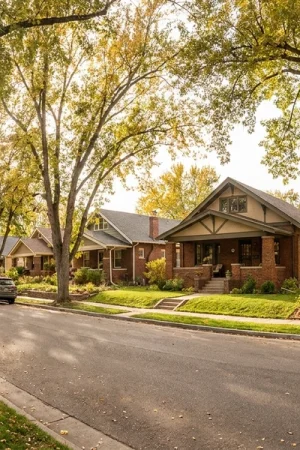
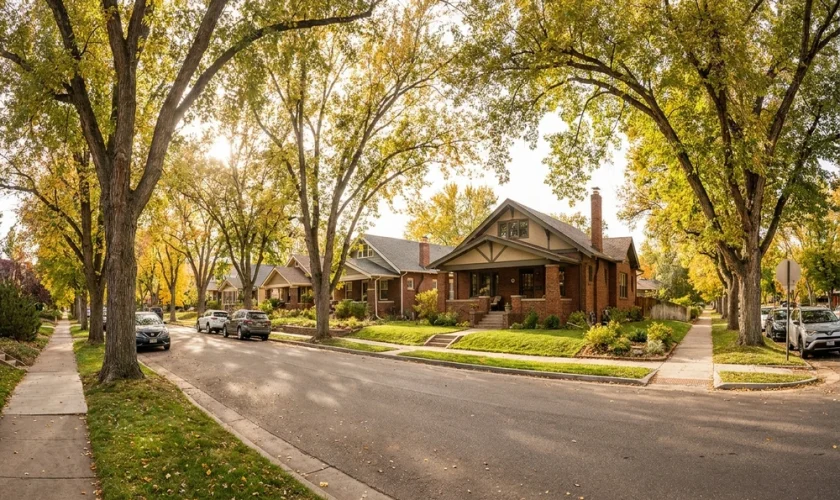
Two doors down from a rental you bought for a modest price a decade ago, the house just sold for nearly double. That gap is real money sitting in your name, and it does nothing while it sits there. Landlords across the Front Range keep telling me the same thing: they feel property rich and cash poor, and they’re not sure what to do about it.

Here’s the short version. You can borrow against that built-up value, pull cash out, and keep the rental. It’s a move plenty of Colorado investors use to buy the next property, cover a big repair, or clear out a high-interest private loan. Comparing Cash-Out Refinancing Options in Colorado first is the smart starting point, because the right structure depends on the property, your current loan, and what you plan to do with the money.

This piece walks you through how the math actually works, what lenders look at, and where I’d draw the line. By the end you’ll know whether pulling equity makes sense for your situation or whether you should leave it alone for now.

Why Colorado Equity Built Up So Fast

You don’t need a spreadsheet to see it. Drive through any Colorado suburb that was sleepy fifteen years ago and count the new roofs, the additions, the fresh landscaping. Values moved. According to federal housing data, home prices nationally have climbed well over their levels from a decade ago, and parts of Colorado ran hotter than the national average.

For a landlord, that’s a quiet opportunity. Your mortgage payment stayed the same while the house underneath it got more valuable. That spread between what you owe and what the property is worth is the pool you can draw from.

I think most landlords underuse this. They treat equity as something you only touch when you sell. But selling means giving up the rental income and paying capital gains you may not want to trigger. Borrowing against the value keeps the asset working for you.

What a Cash-Out Refinance Actually Does

A cash-out refinance replaces your current mortgage with a bigger one. The difference between the old balance and the new loan lands in your pocket, minus closing costs. It’s not a second loan stacked on top, and that distinction matters if you’ve only ever looked at home equity lines.

On a rental, lenders treat this differently than they would on your own home. Expect stricter rules, a lower maximum loan-to-value, and more paperwork. That’s not a reason to avoid it. It’s a reason to know what you’re walking into.

How much you can typically pull

Most rental cash-out loans land somewhere between 70% and 75% of the property’s appraised value. So a house worth $500,000 with a $250,000 mortgage gives you room to borrow up to roughly $350,000 or $375,000 and pocket the difference. Run your own numbers, because the appraised value the lender uses is the one that counts, and it might not match what the neighbor’s house fetched.

Four Reasons Landlords Tap Rental Equity

Every investor I’ve talked to has a slightly different motive. These come up most:

  • Buying the next property without draining savings for a down payment
  • Paying off a high-rate private or hard money loan with cheaper long-term debt
  • Funding a major repair or a renovation that raises rent
  • Building a cash reserve so a vacancy doesn’t force a panic decision

Paying off expensive debt is the cleanest case. If you’re carrying a private loan at a rate that makes your stomach drop, replacing it with a conventional mortgage can free up monthly cash flow fast. Buying another property is the most exciting use, and the riskiest if you stretch too thin.

What Lenders Look At Before They Say Yes

Rental refinances live or die on three things: the appraisal, your credit, and whether the property pays for itself on paper. Lenders want the rent to cover the mortgage plus a cushion. If the numbers are tight, a bigger loan makes them tighter.

They’ll also want to see that you’ve owned the property long enough to have a track record, and they’ll ask what the cash is for. Some programs care, some don’t. Ask straight out before you pay for an appraisal.

Before you commit, pull your current mortgage statement, your lease, and a rough repair history. Walking into a lender conversation with those three things in hand saves weeks.

A Simple Test Before You Borrow

I use a rule I call the Cash Flow Floor. Take the new mortgage payment, add taxes and insurance, then subtract expected rent. If the result is a monthly loss you couldn’t cover for six months without stress, the refinance is too big. Shrink the loan, or wait.

This test catches the mistake that hurts most: pulling equity until the rental stops paying for itself. A property that suddenly needs your paycheck every month has turned into a liability. The floor keeps you honest. Run it twice, once with your current rent and once with a conservative rent estimate in case the market softens.

Then check the numbers against the broader economy. The Federal Reserve publishes data on consumer borrowing that gives you a sense of where rates and credit conditions sit, and it’s worth a look before you lock anything in.

Colorado Rules You Shouldn’t Guess At

Lending rules vary by state, and Colorado has its own layer for licensed mortgage activity. The state of Colorado publishes the details on how lending and real estate transactions are regulated. Read enough to know who you’re dealing with and what disclosures you should receive.

One more thing. Property taxes shift after a reassessment, and a higher value can mean a higher tax bill. Factor that into your post-refinance budget so a surprise in the mail doesn’t blow up your plan.

When You Should Leave the Equity Alone

Not every landlord should cash out. If your rate on the existing loan is lower than what you’d get today, refinancing resets you into more expensive debt. If the property needs a big repair you can’t afford even after the refinance, borrowing more just digs the hole deeper. And if you’re within a couple years of selling, the closing costs eat the benefit.

I’d rather see a landlord sit still than pull cash for a vague “opportunity” with no plan attached. The money isn’t going anywhere. Equity doesn’t expire.

Getting Started Without Overcomplicating It

Start with the appraisal number in your head, not the one in your dreams. Then call two or three lenders and ask what they can do for a rental specifically, not your primary home. Compare the rate, the closing costs, and the loan-to-value they’ll actually offer. Ask each one what happens if the appraisal comes in low.

Pick the offer that leaves your rental cash flowing and your reserves intact. Then use the money for the reason you named before you started.

What’s the actual plan for that equity once it hits your account? If you can answer that in one sentence, you’re ready to move. If you can’t, you’ve just found the real reason to wait.

read more
Real Estate

Unveiling the Hidden Heroes: Intertek PSI’s Environmental Services in Baton Rouge

Introduction

Hello there, eco-conscious peruses! Have you ever wondered about the unsung heroes who work resolutely behind the scenes to guarantee our environment remains clean and secure? Well, let me present you to Intertek PSI, a company that gives uncommon natural administrations in Stick Rouge.

In this post, we will plunge into the world of natural testing, review, and counselling that Intertek PSI offers to protect our environment. So, get a container of Joe, and let us investigate the captivating world of environmental administrations!

Testing and Examination

When it comes to natural security, precise testing and examination are significant. Intertek PSI in Baton Rouge offers a wide run of testing administrations that permit us to assess and relieve potential natural dangers.

From discussing quality to water contamination, their group of specialists utilizes state-of-the-art hardware and procedures to evaluate the effect of different businesses on our environment.   Whether it is recognizing contaminants in soil tests or measuring and discussing emanations from mechanical offices, Intertek PSI’s thorough testing makes a difference controllers, businesses, and people make educated choices.

By giving exact information, they help in minimizing hurtful impacts on human well-being and the environment.

Review and Compliance

Guaranteeing compliance with environmental controls may be a key viewpoint of Intertek PSI’s administrations. Through careful reviews and reviews, they aid businesses to distinguish regions where they can move forward with their natural execution.

From fabricating plants to development locales, their group of learned examiners’ survey operations recognize potential dangers and offer viable arrangements for relieving natural impacts.

Intertek PSI’s compliance administrations go past schedule reviews. They moreover help businesses in getting and keeping up vital licenses and certifications, guaranteeing that their operations adjust with neighbourhood, state, and government directions.

By doing so, they not as it were secure the environment but also back companies to working morally and mindfully.

Consulting and Counselling Administrations

Intertek PSI’s natural administrations expand beyond testing and review. They offer comprehensive counselling and counselling administrations to assist businesses in executing feasible hones and diminishing their natural impression.

Their group of specialists collaborates closely with clients, giving custom-made arrangements to address natural challenges. From creating squander administration techniques to making contamination avoidance plans, Intertek PSI’s counselling administrations aid businesses in exploring complex natural directions and optimizing their operations.

By joining supportability into their clients’ hones, they contribute to a more beneficial and more eco-friendly Stick Rouge.

Conclusion

Intertek PSI is playing a significant part in Mallet Rouge’s natural well-being. Their faithful commitment to giving uncommon natural administrations guarantees that our community remains a secure, clean, and maintainable put to live and work.

Through their testing, review, and counselling administrations, Intertek PSI helps businesses progress their natural hones and comply with directions. By doing so, they not as it were secure nearby environments but also advanced capable industry hones. Their work guarantees that future eras can appreciate a greener, more beneficial world.

So, the following time you take a profound breath of new discussion or appreciate a swim in an adjacent lake, keep in mind the covered-up heroes at Intertek PSI who work energetically to protect our environment.


read more
Real Estate

Five Most Expensive Places to Buy Property in France

In France, a country where the average price of property is nearly three times as much as it was 25 years ago, prime real estate is extremely pricey. The average cost of a home in Paris could boggle the minds of many people; since 1995, property prices have increased from an average of €2,478 to a whopping €11,737 in 2021. With that said, here are the top five most expensive places to buy property quickly in France based on average house prices.

  1. Paris (€9,819/m2)

Naturally, Paris is the most expensive place in France in terms of property prices as well as cost of living. The country’s iconic capital is known for its fashion, art, and gastronomy – the designer boutiques, incredible galleries, and café culture alone make this city one of the most visited in the world.

Not only is Paris the priciest place to live in France, but according to the Economist Intelligence Unit, it also shares the top spot with Hong Kong and Zurich as the most expensive city in the world to live in. With impressive architecture, endless event options, fabulous public transportation, and unbeatable dining, the “City of Love” attracts wealthy property buyers across the entire world.

  1. Hauts-de-Seine (€6,781/m2)

Making up the western inner suburbs of Paris is the Hauts-de-Seine department, home to exclusive residential areas and an important commercial district. Here you can find some of the most expensive real estate in France, such as the commune of Neuilly-sur-Seine, where the average house price is an astonishing €12,528 per square metre – the wealth per capita here is amongst France’s highest.

Providing its residents with the high quality of life, greenery, and ability to use vehicles that neighbouring Paris lacks, the Hauts-de-Seine area attracts rich buyers and families looking for a more peaceful area with easy connections to the capital.

  1. Alpes-Maritimes (€4,722/m2)

Situated in southeast France, the Alpes-Maritimes department hugs Italy on the east and combines the Alps with miles upon miles of magnificent Mediterranean shoreline for unmatched, breathtaking scenery.

The natural beauty of the varied landscapes of this place is the main attraction but the temperate climate, historic old towns, world-renowned events, and ability to go from the seaside to the slopes in under an hour make this area alluring for foreign holidaymakers and the French population alike.

  1. Val de Marne (€4,557/m2)

The “Valley of the Marne” is a department in France located southeast of Paris, home to the largest public park in the capital, the Bois de Vincennes – three times the size of Central Park in New York. Named after the Marne River, the mostly urbanized area hosts a multitude of research centres and hospitals alongside rich cultural heritage and contemporary art centres and museums.

River tourism is also a popular attraction to the area, with 24 kilometres of the Marne and 15 kilometres of the Seine flowing through the region. Dotted with riverside restaurants and artists, Val-de-Marne bestows cheaper property prices on its residents compared to the likes of Paris or Hauts-de-Seine, while maintaining the excellent benefits of living in Grand Paris.

  1. Corse-du-Sud (€4,419/m2)

For cash buyers, with median house prices of €340,000, Corse-du-Sud is a department found on the fourth-largest island in the Mediterranean Sea, Corsica. Another place with spectacular natural landscapes, the property prices here are higher than most due to being a tourist destination in addition to home to world famous beaches and cliffs.

Numerous festivals are hosted on the mountainous island, providing entertainment for both tourists and the owners of luxurious villas and properties. The capital, Ajaccio is also well-known for being the place where Napoleon Bonaparte was born. Between the history, climate, and wonderful terrain, it is worth making the sizeable investment into property in Corse-du-Sud.

read more