close

Mary Modlin

Auto

Used Truck Engines: What Buyers Should Check Before Committing to a Replacement

https://newcombat.net/
Used Truck Engines: What Buyers Should Check Before Committing to a Replacement

When a truck engine reaches the point where repair is no longer practical, replacing it with another unit can be the most sensible way to get the vehicle back to work.

For many operators, a used engine provides a practical middle ground between continuing to spend money on a failing unit and committing to the cost of a brand-new replacement.

There is plenty of choice in the market, though, and not every engine advertised for sale will be suitable for every truck. Taking a little time to check the important details before buying can save a great deal of trouble later.

Start With the Exact Engine Specification

The make and model of the truck is only the starting point.

Engines can vary considerably even within the same vehicle range, so buyers should check the exact engine code, power output, emissions specification and year before ordering.

Connections, electronics, sensors and ancillary components can also differ between seemingly similar engines.

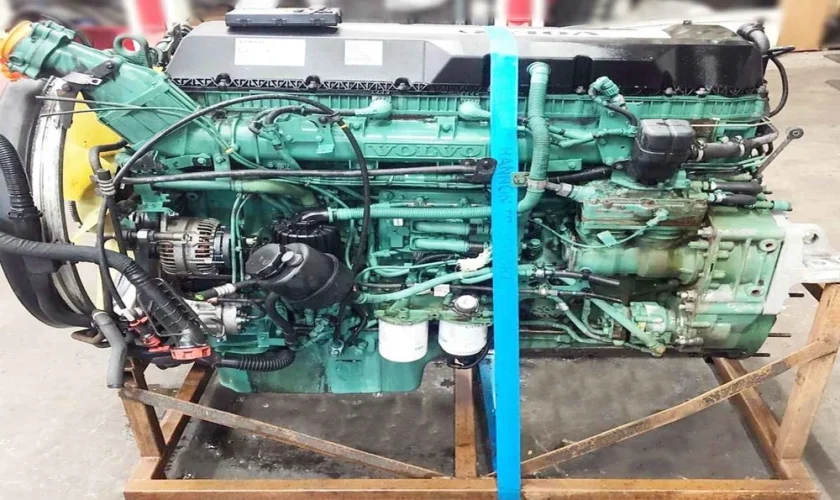
A supplier specialising in used truck engines should be able to help identify the correct unit from the information available from the vehicle.

Providing the chassis number, engine number or photographs of the existing unit can often make identification much easier.

Ask What Is Included With the Engine

One mistake buyers sometimes make is assuming that every advertised engine is supplied in the same form.

Some units may be sold as a complete engine with ancillary components attached, while others may be supplied as a more basic unit.

Before ordering, it is worth confirming whether components such as the turbocharger, injectors, starter motor, alternator, ECU or other accessories are included.

This matters because transferring parts from the old engine can add extra labour and may create additional costs if those components are already worn.

Knowing exactly what is included allows the workshop to plan the installation properly.

Look Beyond the Purchase Price

Price will always matter, particularly when a vehicle has already suffered an unexpected failure.

However, the cheapest engine available is not necessarily the least expensive option overall.

If an incorrectly specified or poor-quality unit creates additional workshop time, transport costs or another breakdown shortly afterwards, the saving can disappear very quickly.

The better question is whether the replacement engine represents sensible value for the vehicle and the work it is expected to carry out.

A commercial truck that is relied upon every day needs a replacement that can be fitted correctly and returned to service with as little disruption as possible.

Matching Volvo Engines Correctly

Volvo trucks are widely used across haulage, construction and distribution fleets, but there are numerous engine variants across the range.

Operators looking for Volvo truck engines should make sure the replacement matches the specific vehicle rather than simply buying according to the Volvo model name.

Engine families may appear similar externally while using different electronics, emissions equipment or specifications.

Checking the engine code before purchasing is therefore particularly important.

Factor In Downtime

An engine failure does more than create a repair bill.

While the truck is off the road it may not be earning money, and the business may have to reorganise deliveries, hire another vehicle or move work elsewhere.

That makes availability and correct identification important.

Buying the right engine first time can help prevent unnecessary delays once the vehicle reaches the workshop.

It is also worth discussing delivery times before ordering, particularly if the truck is required back on the road urgently.

Work With a Specialist Supplier

Used truck engines are not a simple one-size-fits-all product.

A specialist commercial vehicle parts supplier can help check compatibility and explain what is included before the engine is dispatched.

That additional conversation can be valuable, particularly when there are several possible engine variants for the same truck.

For operators, workshops and fleet managers, the aim is straightforward: find the correct replacement, minimise unnecessary workshop time and return the vehicle to service.

FAQs

What information do I need when ordering a used truck engine?

Ideally, provide the truck make, model, registration year, engine code and any identification numbers available from the existing engine. The chassis or VIN number can also help confirm compatibility. Because engines can vary within the same truck range, supplying as much information as possible reduces the chance of ordering the wrong unit. Photographs of the existing engine and connections may also be useful when a supplier is checking the correct specification.

Is a used truck engine suitable for a working commercial vehicle?

A used truck engine can be a practical replacement for many commercial vehicles when it is correctly matched to the truck and supplied by a knowledgeable specialist. Its suitability depends on the condition and specification of the engine, the value of the vehicle and how the truck is used. Buyers should focus on correct compatibility and overall value rather than price alone, particularly where vehicle downtime has a direct impact on the business.

read more
Health

Why Aestheticians Are Thriving in the MedSpa Era

Over 10,500 MedSpa facilities are now operating across the United States, and that number is still climbing. If you’ve been watching the aesthetic services industry from the sidelines and wondering whether it’s a real career or just a trend, the answer from employers, market analysts, and government labor data is unusually consistent: it’s real, it’s growing, and qualified professionals are in short supply.

The window for getting in ahead of the curve is still open. But the people landing the best clinic-floor positions aren’t waiting on a four-year degree. They’re getting licensed, building hands-on skills fast, and walking straight into a booming market. Here’s what’s actually driving that opportunity and what a practical path into it looks like.

A Market That Grew Too Fast for Its Own Talent Pipeline

The MedSpa sector didn’t ease its way into relevance. It accelerated. The global medical spa market was valued at an estimated $14.4 billion in 2022 and is projected to reach $45 billion by 2030, implying a compound annual growth rate of 15.3% over that period. That kind of growth compresses the hiring timeline at every level, from solo facial specialists to advanced clinical aestheticians working alongside medical directors.

What’s fueling it? Several things are converging at once. Minimally invasive treatments are replacing surgical alternatives for a generation of consumers who want results without downtime. Social media has made cosmetic treatments socially normalized in age groups that never engaged with them before. And the wellness category has expanded far beyond gym memberships to include preventive skincare, body contouring, and clinical facial protocols that were once reserved for dermatology offices.

The facilities doing this work need trained staff. A solo aesthetician chair generates real revenue per hour. That means an untrained seat is money left on the table every single day, which is exactly why the number of medspa facilities in the United States reached above 10,500 as of 2024 to 2025, according to the American Med Spa Association, driven by strong demand for minimally invasive aesthetic procedures and body contouring services.

“The personal care sector is experiencing rapid growth, driven by increased consumer interest in wellness and self-care, expanding the demand for skilled estheticians particularly in urban centers.”

– InterviewGrid Career Research, 2026

That’s not promotional copy. That’s the consensus across independent analysts, trade associations, and employer data. The market created a talent gap and that gap hasn’t closed yet.

What the Government Data Actually Says About the Job Outlook

Market projections are useful, but government labor data is where you get the picture without the sales angle. According to the U.S. Bureau of Labor Statistics, employment of skincare specialists is projected to grow 7 percent from 2024 to 2034, which is much faster than the average for all occupations, with approximately 14,500 openings expected each year on average over that decade.

That’s 14,500 openings per year. Not total jobs added over ten years. Per year. And those openings factor in both growth and the ongoing replacement need as experienced professionals

retire or move into management. For someone entering the field now, that math is favorable.

Metric Data Point Source
Projected job growth (2024-2034) 7%, faster than average for all occupations U.S. Bureau of Labor Statistics, 2024
Average annual job openings ~14,500 per year over the decade U.S. Bureau of Labor Statistics, 2024
Global MedSpa market value by 2030 $45 billion (projected) EHL Hospitality Insights / ResearchAndMarkets, 2022

Skincare specialists must complete a state-approved cosmetology or esthetician program and then pass a state exam for licensure before they can work legally in most states. That’s the gateway. Clearing it is what turns interest into income.

What MedSpa Employers Are Actually Hiring For

Spend time on any MedSpa hiring board and a pattern shows up fast. Employers aren’t looking for generalists who can do a little of everything adequately. They’re hiring specialists who can deliver specific, repeatable protocols at a clinical standard. Facial treatments, chemical exfoliation techniques, laser-adjacent services, and client consultation skills are near the top of nearly every job listing. The candidates who understand how a clinic floor actually runs, not just the theory behind it, close the gap on experience before they’ve clocked their first full year.

This is the difference between training that gets you licensed and training that gets you hired. Being licensed opens the door. Arriving with hands-on hours under real supervision, on real clients, with real protocols, is what gets you past the interview stage at a serious facility.

Employers have also started weighting speed and consistency. A technician who can move efficiently through a full client book while maintaining quality and safety standards is worth far more than someone who works slowly, regardless of how thorough their theoretical knowledge is. Clinical repetition during training builds that pace. It’s not something you can shortcut with self-study alone.

The Fastest Path From Curious to Licensed

Most people researching this career assume the process takes longer than it does. Florida, for example, allows qualified candidates to complete their facial specialist or advanced clinical aesthetician program in a matter of weeks rather than months, provided the program combines structured digital coursework with supervised hands-on clinic sessions. That’s not a marketing claim. It’s how Florida’s licensing structure actually works.

The key is finding a program built around that structure rather than retrofitting a traditional cosmetology model. Orientation that walks you through the full enrollment before you commit a dollar, self-paced digital coursework for the theory and anatomy foundation, and live supervised clinic hours on real clients at a Tampa or Miami location are the three components that define programs purpose-built for speed without cutting corners on skill.

If you’re ready to move on this career, you can apply to MedSpa Institute in under ten minutes, with open enrollment running year-round and no application fee standing between you and your start date.

The Career Fit Filter: Four Questions Worth Answering First

This isn’t a career for everyone, and that’s fine. Before you commit to any program, run your decision through this framework. Call it the Career Fit Filter.

  • Do you genuinely like working with people one-on-one? Clinical aesthetics is intimate work. Clients share concerns about how they look and feel. You’re not just performing a service; you’re building trust in real time. Introverts can absolutely thrive here, but you need to be present and warm in a client interaction, not just technically proficient.
  • Can you work standing for most of your shift? This is physical. Treatments involve sustained focus and precise hand positioning. Comfort with that physical demand matters more than people expect going in.
  • Are you drawn to ongoing learning? The treatment menu at a MedSpa in 2028 will look meaningfully different from the one today. Professionals who treat their license as a starting point rather than a finish line stay relevant and earn more.
  • Do you want a clear timeline from decision to career? If the idea of a two-to-four year degree path makes you want to postpone the whole thing, a fast-track licensing program is structurally designed for your situation. Weeks to licensed is a realistic outcome, not a promise.

If you answered yes to most of those, you’re not just curious about aesthetics. You’re a fit for it.

Starting Now vs. Waiting

The MedSpa market won’t stay as accessible as it is right now. When a sector is growing at a 15% compound annual rate, competition for positions intensifies as more candidates enter the pool. The professionals who build their license and their hands-on hours now will be the ones with the experience advantage two years from now when the hiring landscape looks different.

Hesitation has a cost in a growing field. That cost isn’t visible today, but it shows up later in the form of crowded job boards and employers who can afford to be selective. Getting licensed while the demand still outpaces the supply is the version of this decision you’ll look back on as the right call.

read more
Industry

Expansion Options Built Into Reliant Powder Coating Systems

Growth can expose the limits of a finishing line long before the equipment actually wears out. Smart expansion planning gives manufacturers a way to add capacity, improve handling, or increase automation without rebuilding the entire operation at once. Expandable equipment also helps a business respond to larger parts, higher order volume, and new finishing requirements as customer demand changes without wasting floor space or disrupting equipment that still performs well during normal daily operation.

Modular Booth Extensions Make Future Part Sizes Easier to Handle

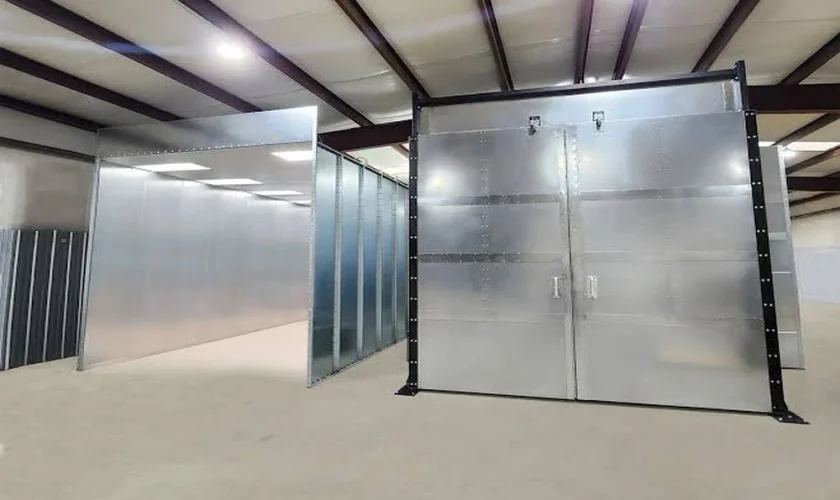
Larger products can quickly outgrow the original spray area, especially when a shop begins taking on taller frames, longer weldments, or wider fabricated assemblies. Modular wall and roof extensions can give a powder coating booth more usable height, width, or length while preserving the basic structure of the existing finishing area and avoiding an unnecessary full replacement.

Additional booth space can also improve gun access and reduce awkward part positioning during application. For growing shops, Reliant powder coating equipment can support business growth by allowing facilities to plan around changing part dimensions instead of replacing an otherwise useful booth simply because the product mix has changed.

Can Curing Capacity Grow Along With Production?

Higher throughput often places the greatest pressure on the oven because coated racks can accumulate faster than dense loads can reach cure temperature. Adding or upsizing Reliant powder coating ovens gives a manufacturer more room to process increased volume while keeping booth output from turning into a queue outside the curing area during demanding shifts.

Future oven planning should consider part weight, rack density, door openings, heat recovery, and daily batch count rather than chamber size alone. Businesses using a Reliant industrial powder coating oven can handle heavier or larger work when expansion moves production beyond the thermal capacity of a smaller batch setup.

Filtration Upgrades Can Extend Booth Performance

Changing production volume can increase filter loading, powder use, and airflow demand even when the booth enclosure still fits the work. Cartridge filtration modules, multi-stage filters, and adjustable fan controls can improve how Reliant powder coating systems manage overspray and maintain useful airflow as coating activity increases across longer production schedules.

Variable frequency drives can also let operators fine-tune exhaust velocity instead of running the fan at one fixed setting. Better airflow control may help businesses protect application consistency, manage filter life, and adapt booth performance to different operating conditions without adding an entirely separate spray area.

Material Handling Can Expand Without a Full Conveyor Loop

Manual carts work well at lower volumes, but heavier parts and more frequent batches can make repeated lifting and repositioning expensive in labor. Floor tracks, overhead rails, split-top booth openings, and other handling additions can move parts through preparation, coating, and curing along a straighter path with fewer transfers.

Linear systems are especially useful where floor space cannot support the sweeping curves of a large automatic conveyor. Coordinated use of a Reliant powder coating equipment package can help a growing shop align racks, booth access, oven doors, and tracking methods so more work moves through the same footprint with fewer handling delays.

Pretreatment Can Be Added as Finish Requirements Increase

New customers may bring stricter corrosion, adhesion, or appearance requirements that a basic cleaning process cannot support. Multi-stage washers, spray wands, steam cleaning equipment, or blasting areas can be added upstream so the coating line prepares metal more consistently before powder reaches the surface and before higher-value jobs enter production.

Stronger pretreatment capacity also protects the value of later equipment upgrades because a faster booth and larger oven cannot correct contamination left on the substrate. Manufacturers can build Reliant powder coating systems around a more complete preparation process, helping the business pursue jobs that require tighter finish specifications or longer service life.

Automation Can Be Introduced in Stages

Growing order volume does not always justify converting an entire batch operation into a fully automated line. Reciprocators, automatic gun arrays, dedicated powder delivery components, or powered handling sections can be added where repetitive work consumes the most labor while manual flexibility remains available for short runs and unusual parts.

Targeted automation can increase consistency on recurring parts without forcing every product through the same fixed sequence. Shops comparing a Reliant powder coating oven for sale can also coordinate future automation with cure capacity, ensuring faster application does not simply shift the bottleneck to the heating stage.

Utilities and Layout Should Leave Room for the Next Upgrade

Electrical service, gas supply, compressed air, ventilation, and open floor area can limit expansion more than the equipment itself. Early layout decisions should leave reasonable access around controls, filters, burners, doors, and maintenance areas while reserving space for additional racks, tracks, or Reliant powder curing ovens as production grows.

Long-term planning becomes easier when the original equipment is selected with growth in mind. Through Reliant Finishing Systems, manufacturers can evaluate Reliant powder coating equipment and system configurations for added booth capacity, curing capability, filtration, handling, pretreatment, or automation, giving businesses a practical path to expand without treating each new requirement as a complete restart.

read more
Photography

Best 10 Photography Studio in Singapore

Introduction

Finding the right photography studio in Singapore can build a significant distinctness to the value and experience of your photoshoot. A professional studio gives you greater control over light, training, space, and solitude. It can also support specialized conveniences for portraits, family photography, corporate head-shots, brand photography, and artistic content.

Singapore has many photography workshops, each with its own style. Below are 10 alternatives worth seeing for various photography needs.

H2 Photo Studio

1. Our Services

  • Family and group photography
  • Corporate photography
  • Product and ecommerce shoots
  • Portrait photography
  • Videography and content production

Its location near Bright Hill MRT also provides easy access for clients. For more details, you can also visit the H2 Studio website.

2. Location:

28 Sin Ming Lane, #02-138, Midview City, Singapore 573972

Tomato Photo Studio

1. Our Services

  • Corporate head-shots
  • Professional portraits
  • Family photography
  • Individual profile photos
  • Studio photo sessions

2. Location:

62 Ubi Road 1, Oxley Bizhub 2, #10-23, Singapore 408734

ABC Photography

1. Our Services

  • Family portraits
  • Maternity photography
  • Newborn photography
  • Graduation portraits
  • Corporate photography
  • Pre-wedding photography

This variety makes ABC Photography a valuable option for customers looking for several photography services under individual house.

2. Location:

M38 Jalan Pemimpin, #06-07, Singapore 577178

Bambini Photography

1. Our Services

  • Maternity photoshoots
  • Newborn photography
  • Baby and youth photography
  • Family portraits
  • Graduation photography
  • Cake smash gatherings

The studio is run by appointment, allowing families to plan their sessions around their schedules.

2. Location:

62 Ubi Road 1, #10-24, Oxley Bizhub 2, Singapore 408734

Photomatic

1. Our Services

  • Couple photos
  • Friends’ photoshoots
  • Solo portraits
  • Family meetings
  • Casual social news content

The workshop likewise offers private shooting and online engagement.

2. Location:

107 North Bridge Road, #02-11, Funan, Singapore 179105

Studio03

1. Our Services

  • Portrait photography
  • Profile photographs
  • Creative shoots
  • Fashion photography
  • Social media content

2. Location:

114 Lavender Street, #10-85, CT Hub 2, Singapore 338729

The Beautybox Studio

1. Our Services

The Beautybox Studio offers a centrally located photography studio on North Bridge Road. Its location may be appropriate for clients coming from various parts of Singapore.

It may be suitable for portrait, beauty, personal training, and imaginative photography projects. The workshop background allows photographers to control the atmosphere and achieve more consistent results.

2. Location:

452 North Bridge Road, #02-00, Singapore 188733

Orange Studios

1. Our Services

Its services are centred around main family milestones, making it a valuable choice for individuals and families expecting professionally styled photographs.

Photography gatherings include:

  • Maternity
  • Newborn
  • Fresh 48
  • Family
  • Cake smash

2. Location:

67 Ubi Road 1, #10-03, Oxley Bizhub, Singapore 408730

Shoot You SG

1. Our Services

Shoot You SG is a photography studio located in Ubi. It offers an household surroundings for professional photography and may be considered by individuals and businesses seeking workshop-based portraits.

The workshop may suit individual training, lifestyle photography, professional portraits, and imaginative projects.

2. Location:

33 Ubi Avenue 3, #02-45, Vertex, Singapore 408868

Standard Photo Studio

The studio offers various ideas, including colour, black-and-white, pet, and corporate photo studios.

1. Our Services

2. Location:

565 MacPherson Road, #03-00, Singapore 368234

Conclusion

Take time to compare the neighborhood, facilities, duties, supplies, and engagement necessities of each workshop. Selecting a space that fits your project can help organize a smoother photoshoot and better conclusive photographs.

read more
Education

How to Choose a Music Program That Prepares You for More Than the Classroom

Choosing where to study music involves more than finding a program with an appealing course list. For aspiring performers, producers, songwriters, engineers, and music-business professionals, the learning environment can shape not only what they know but also how confidently they apply those skills.

A strong music education should therefore be evaluated as a complete experience. Curriculum matters, but so do opportunities to practice, collaborate, receive feedback, explore different disciplines, and understand how professional creative work actually happens.

Start With the Musician You Want to Become

Before comparing schools, define what you want your education to help you accomplish.

Someone hoping to become a touring guitarist will have different priorities from an aspiring recording engineer. A songwriter may need frequent opportunities to create and collaborate, while someone interested in music business may benefit more from understanding marketing, artist development, rights, and the commercial side of the industry.

You do not need a perfectly mapped-out career before enrolling. Creative careers often change direction. However, having a working idea of your interests makes it easier to evaluate whether a program gives you room to develop them.

Look closely at the subjects taught rather than relying only on the title of a degree or certificate. Two programs with similar names may emphasize very different skills.

Ask yourself whether the curriculum develops the abilities you want to use regularly after graduation. Also consider whether there is flexibility to explore adjacent areas. A performer who understands recording can communicate more effectively in the studio, for example, while a producer who understands songwriting may make stronger creative decisions.

Look Beyond the Course List

A curriculum tells you what a school intends to teach. It does not always tell you what studying there will feel like.

Investigate how students actually spend their time. Are they primarily listening to lectures, or are they regularly performing, recording, producing, composing, collaborating, or completing projects? Are there opportunities for individual feedback? Can students work with people outside their primary discipline?

Practical repetition is especially valuable in music because many professional skills become clearer when they are applied. Performing for an audience teaches lessons that cannot be fully reproduced through discussion alone. Producing a complete recording creates different challenges from studying production concepts individually.

When researching different approaches, prospective students can use Musicians Institute as one reference point when comparing contemporary music education pathways and the types of learning experiences schools make available.

The important step is not simply finding the longest list of facilities, classes, or activities. Ask how each resource connects to the learning process. A recording studio has educational value when students actually use it. Performance spaces matter when students have meaningful opportunities to perform. Mentoring is useful when students can receive relevant guidance rather than merely attend occasional presentations.

Evaluate Access to Feedback and Collaboration

Music develops through feedback. Whether someone is practicing an instrument, writing a song, mixing a recording, or developing an artist project, outside perspectives can reveal problems that are difficult to identify alone.

When comparing programs, investigate how feedback is built into the experience. Consider class size, instructor availability, individual lessons or advising, critiques, rehearsals, workshops, and project reviews.

The quality of collaboration matters as well. Many areas of music overlap in professional settings. A songwriter may work with performers and producers. An engineer needs to understand what artists are trying to communicate. Music-business professionals routinely coordinate with managers, marketers, artists, venues, and technical teams.

An educational environment that encourages students from different disciplines to work together can therefore provide useful preparation for the collaborative nature of creative work.

Do not evaluate faculty members only by impressive résumés. Professional experience can be valuable, but teaching ability and accessibility matter too. Ask whether instructors are actively involved in student development and whether feedback is specific enough to help students improve.

Consider Career Development Before You Need It

Career planning should not begin during the final few weeks of a program.

Musicians and creative professionals increasingly need a combination of artistic ability and professional awareness. That may include knowing how to present work, communicate with collaborators, manage projects, build professional relationships, understand basic business considerations, and adapt when opportunities change.

Look for evidence that a program helps students think about these realities throughout their education.

Mentoring, career advising, internships, collaborative projects, showcases, industry events, portfolio development, and professional workshops can all be useful, depending on a student’s goals. What matters is whether these opportunities connect naturally with the skills being developed in class.

Location may also affect the experience, particularly for students who want regular access to live venues, studios, production communities, or other creative professionals. For others, an online or hybrid program may provide the flexibility needed to keep working, performing, or producing while studying.

Neither format is automatically better. The right choice depends on how you learn and what opportunities you are likely to use.

Ask Better Questions Before Enrolling

Marketing materials can tell you what a school wants prospective students to notice. Better decisions come from asking specific questions.

Instead of asking whether a program offers performance opportunities, ask how frequently students perform and who participates. Rather than asking whether career support exists, find out what that support involves and when students can access it.

Ask how much direct feedback students receive, how projects are assessed, whether collaboration across disciplines is common, and what equipment or facilities students can realistically use.

Whenever possible, attend an open house, tour the learning environment, speak with current students or graduates, and review detailed program information.

The goal is not to find a school that promises an effortless route into the music industry. No educational program can guarantee a creative career. The better question is whether the environment will give you meaningful opportunities to develop your craft, make mistakes, receive informed feedback, and become more capable of directing your own professional growth.

Conclusion

Choosing a music program is ultimately an exercise in matching an educational environment to your goals.

Look beyond program names and promotional language. Examine what you will practice, who will provide feedback, how often you will collaborate, what professional skills you can develop, and whether the available opportunities suit the way you want to grow.

The strongest choice is not necessarily the program with the most features. It is the one whose resources, teaching approach, practical experiences, and community give you the best opportunity to become a more capable and adaptable creative professional.

read more
Home Improvement

What Sets Custom Aluminum Doors Apart from Standard Options

An entry door affects light, comfort, security, and curb appeal. Standard models suit common openings and straightforward design plans. Custom work serves homes with unusual dimensions or distinct architectural details. This article explains what separates both choices in practical terms.

Exact Measurements Help Prevent Costly Fit Issues

Standard doors follow preset widths, heights, and frame profiles. Custom Aluminum Entry Doors are built around the exact opening and design requirements. That approach helps reduce awkward gaps, oversized trim, and major wall changes. It also supports cleaner alignment with nearby windows and exterior features.

Precise dimensions matter when an opening has arches, side panels, or added height. A custom frame can account for those details from the start. Standard units may require fillers or extra construction to fit the space. Accurate measurements aid smooth operation and a balanced final look.

Design Choices Support the Architecture

Custom work allows control over proportions, glass layouts, grid patterns, and finishes. Slim aluminum profiles can help bring more daylight into an interior. Matte black or white finishes suit several architectural styles. Selected details can echo rooflines, windows, and exterior materials.

Standard choices usually offer fewer combinations within each product line. That fixed selection can work well for simple projects. A custom plan gives greater control over visual scale and door configuration. This matters when the entrance serves as a strong architectural feature.

Glass and Frame Choices Influence Indoor Comfort

Large glass panels create openness, yet their construction affects indoor comfort. Low emissivity glass, dual panes, and insulated frames may help limit heat transfer. Thermal breaks also reduce direct movement of outdoor temperatures through aluminum. These features deserve attention in climates with intense sun.

Features That Deserve a Close Review

A practical comparison should cover the complete door assembly:

  • Glass type, pane count, and expected solar performance
  • Frame insulation and thermal break construction
  • Weather seals around the frame and door panels

Custom Aluminum Entry Doors can combine these features with the required size and layout. Standard products may include similar components in fixed packages. Product specifications help clarify expected comfort and energy performance. Installation quality also affects how well those features work.

Door Configuration Affects Space and Daily Access

A single hinged door works for a familiar front entry. Sliding, pocket, and bifold systems serve wide openings and connected patio areas. Custom dimensions allow panels to match the available wall space. The correct configuration helps with traffic flow and furniture placement.

Door weight, panel width, and hardware all affect operation. Handles, locks, tracks, and hinges should suit the selected system. A well-planned setup may help improve access during frequent use. Standard models remain practical when the opening matches an available configuration.

Construction Quality Shapes Long-Term Performance

Aluminum resists rust, corrosion, sunlight, and routine exposure to rain. Its surface usually needs soap, water, and basic periodic cleaning. Finish quality, frame strength, and hardware still influence long-term performance. These points matter for both standard and custom products.

Custom construction also allows specifications to reflect local exposure and use. A large patio system may need stronger tracks and suitable glass. A front entrance may place more emphasis on locks and weather seals. The material works best when every component supports the location.

FAQ

1: When should a homeowner choose custom aluminum entry doors?

Custom aluminum entry doors are a good option when a home has unique entry dimensions or a specific architectural style. They can also suit projects that require particular glass designs, finishes, or door configurations.

2: Are custom aluminum doors energy efficient?

They can be when built with insulated glass, thermal breaks, and quality weather seals. These features may help improve indoor comfort and reduce heat transfer throughout the year.

3: How do custom aluminum doors differ from standard doors?

Standard doors come in preset sizes and limited design options. Custom aluminum doors are made to match the exact opening, preferred style, and functional requirements of the project.

The key distinction lies in control over fit, form, and function. Standard doors answer common needs through preset dimensions and design options. Custom doors address unusual openings, specific layouts, and detailed architectural goals. A review of structure, glass, hardware, insulation, and installation helps identify the suitable choice.

read more
Security

Bulletproof Your Operations: Injecting Real-Time Cyber Adrenaline to Neutralize Lateral Attacker Movements

Modern organizational infrastructure faces persistent, stealthy intrusions that target internal networks. Traditional perimeter defenses fail when adversaries compromise a single internal endpoint. Once inside the perimeter, intruders move sideways to locate critical database systems. Businesses require instantaneous detection mechanisms to stop these internal network threats. Adopting rapid response protocols blocks unauthorized internal credential utilization immediately. Deploying professional security operations services malaysia ensures continuous monitoring of complex network infrastructure.

Internal Threat Vectors Require Immediate Interception

Intruders easily bypass basic perimeter walls using stolen worker credentials. They search internal segments quietly to escalate their network privilege levels. Traditional security scans often miss these slow unauthorized lateral shifts. Operations must deploy active internal monitoring to capture anomalies quickly.

Active Surveillance Neutralizes Unauthorized Network Exploration

Security teams must observe internal server communications every single second. Deviations from established worker pathways signal potential corporate network compromise. Real time alert systems allow quick isolation of affected hardware. Rapid containment prevents wider operational damage across various department networks.

Deploying Active Deception Components

Modern network protection requires deploying deceptive internal assets to trap clever intruders.

  • Fake server endpoints lure malicious actors away from genuine data.
  • Decoy credentials trigger silent high-priority alarms upon any user access.
  • Artificial databases track unauthorized network traversal methods without risking assets.
  • Monitored software vulnerabilities reveal ongoing active intrusion attempts safely.
  • Sophisticated honeypots isolate malicious lateral movements inside controlled virtual environments.
  • Deceptive communication channels capture intruder commands before actual damage occurs.
  • Fabricated network directories confuse external adversaries seeking critical financial information.
  • Bait files alert administrators regarding deep internal folder system exploration.

Automated Mitigation Isolates Infected Hardware Segments

Manual responses to internal network threats take too much time. Automated scripts must disconnect compromised workstations the moment alarms sound. Modern software isolates infected segments without stopping entire company operations. Targeted containment ensures business continuity during serious corporate digital crises.

Which Network Architecture Elements Block Sideways Intrusions?

Network micro segmentation splits massive internal architectures into tiny isolated zones. This approach prevents intruders from traversing between distinct department systems easily. Strict verification procedures validate every internal connection request without exception.

Organizations utilizing security operations services malaysia maintain much better control over internal network perimeters. Splitting infrastructure ensures that compromised endpoints do not jeopardize entire operational capabilities.

Zero Trust Access Models Verify Internal Users

Trusting internal network traffic implicitly presents massive operational safety vulnerabilities. Every user request must undergo strict continuous identity validation checks. System access privileges remain restricted to specific daily operational requirements. Tight constraints significantly minimize potential damage from compromised employee devices.

Resolving Critical Operational Security Inquiries

  • How do lateral movements begin inside networks? Stolen employee login credentials initiate the initial entry.
  • Why do standard firewalls miss internal threats? Perimeter systems monitor external entry points only.
  • What signs indicate unauthorized internal navigation? Unusual data transfers between desktop computers signal danger.
  • How fast must containment actions occur? Automated systems should isolate targets within seconds.
  • Who monitors these internal network alerts? Specialized technical teams oversee security information software.

Continuous Evaluation Maintains Infrastructure Resilience

Regular internal network evaluation identifies hidden operational infrastructure weaknesses. Security professionals simulate lateral intrusion pathways to test system alerts. Fixing discovered configuration errors prevents genuine malicious actors from succeeding. Constant system updates maintain high defense levels against shifting threats.

Maintaining Operational Security Consistency

Operational resilience relies on executing reliable safety procedures consistently over time. Organizations must focus on robust network segmentation alongside rapid containment capabilities. Real time monitoring provides the necessary visibility to counter sophisticated internal system intrusions. Maintaining disciplined execution ensures long term safety against advanced modern threats.

read more
Finance

5 Practical Benefits of Centralized Financial Administration for Family Wealth

Managing family wealth becomes more challenging as financial responsibilities expand across investments, taxes, trusts, charitable giving, and personal finances. A centralized approach helps organize these responsibilities through coordinated oversight, clear records, and consistent financial decisions. Families benefit from greater visibility into their financial picture while reducing unnecessary administrative complexity.

A well-structured Multi-Family Office service brings financial planning, investment coordination, tax planning, and personal accounting into one organized framework. This approach supports informed decision-making while keeping important financial information accurate and accessible. The following benefits explain why centralized financial administration plays an important role in preserving family wealth.

1. Improve Financial Organization With Unified Oversight

Centralized financial administration creates a single point for reviewing financial records, reporting, and ongoing planning. Important documents remain organized, which helps reduce confusion during financial reviews or major life events. Consistent oversight also supports better communication among trusted financial professionals.

Keep Financial Information Consistent

Accurate records help families monitor assets, liabilities, tax documents, and cash flow without scattered information. A centralized process reduces duplicate work and improves financial reporting accuracy. Reliable documentation also makes future planning more efficient.

2. Strengthen Long-Term Wealth Preservation

Wealth preservation requires thoughtful coordination across multiple financial areas instead of isolated decisions. Centralized administration helps align investment strategies, tax planning, and estate objectives under one organized financial plan. This coordinated structure supports financial continuity across generations.

Support Coordinated Financial Decisions

Financial choices sometimes influence several areas of family wealth at the same time. A centralized process allows professionals to evaluate these connections before recommendations move forward. This helps reduce overlooked details that could affect long-term financial objectives.

3. Simplify Tax And Accounting Coordination

Tax planning and personal accounting work best when financial information remains complete and current. Organized financial administration allows accurate reporting while supporting timely preparation throughout the year. Better coordination also helps maintain consistent financial records across multiple accounts.

Multi-Family Office service can coordinate tax planning, personal accounting, and financial reporting within one structured process. This organized approach helps families maintain financial clarity while reducing administrative challenges that arise from separate financial systems.

4. Improve Communication Across Financial Advisors

Families sometimes rely on professionals with different areas of expertise. Centralized administration encourages clear communication among financial planners, investment professionals, tax specialists, and accounting advisors. Better collaboration helps ensure financial strategies remain aligned with shared objectives.

  • Maintain organized financial records for all advisors.
  • Share updated information through a coordinated process.
  • Reduce delays caused by incomplete documentation.

5. Create Better Preparation For Future Generations

Family wealth sometimes extends beyond current financial needs and includes future responsibilities. Organized financial administration helps preserve important records, financial strategies, and long-term objectives for future family members. Clear documentation also supports smoother wealth transitions when responsibilities change.

  • Preserve financial records in an organized system.
  • Support long-term estate and succession planning efforts.
  • Encourage informed financial decisions across generations.

Centralized financial administration provides practical advantages that reach beyond everyday financial organization. Coordinated oversight, accurate records, and integrated planning help families protect wealth with greater confidence and consistency. A structured financial approach creates a stronger foundation for long-term financial stability and future family success.

Select The Right Family Wealth Management Partner

Professional guidance helps keep financial planning, investment oversight, tax coordination, and estate administration aligned under one organized strategy. Experienced professionals maintain accurate financial records while coordinating important decisions across multiple areas of family wealth. This structured approach supports long-term financial continuity as family responsibilities and assets evolve.

Centralized financial administration helps families maintain financial clarity through organized oversight and coordinated planning. Bringing essential financial functions together supports informed decisions, accurate reporting, and effective wealth preservation across generations. A well-managed financial structure creates lasting stability while helping protect family wealth for the future.

read more
Food

4 Creative Ways Cake Accessories Can Transform a Simple Birthday Cake

Key Highlights

  • Custom toppers provide an instant focal point and can communicate specific themes or personal messages.
  • High-quality candles in various shapes and colours add a layer of sophistication and traditional charm.
  • Floral elements, whether fresh or dried, bring a natural and organic feel to a minimalist cake design.
  • Ribbons and cake boards can be used to tie the dessert into the overall colour palette of the event.
  • Edible accessories like gold leaf or sprinkles offer a professional finish with very little effort required.

Introduction

Creating a memorable centrepiece for a celebration does not always require a professional pastry chef or an overly complex design. Often, the difference between a standard dessert and a show-stopping highlight lies in the thoughtful application of cake accessories. Many people find that starting with a high-quality but simple birthday cake allows them the freedom to customise the look to suit their specific party theme. Whether you are working with a minimalist frosted base or a classic chocolate sponge, the right decorative elements can add height, texture, and personality. By understanding how to effectively use different embellishments, you can transform a modest purchase into a bespoke creation that looks as though it was designed specifically for the guest of honour.

1. The Power of Custom Cake Toppers

The most effective way to instantly elevate a birthday cake is through the use of a well-chosen topper. Modern cake accessories range from laser-cut acrylic names and ages to whimsical themed figurines. A custom topper acts as a visual anchor, drawing the eye upward and giving the cake a sense of purpose and identity. For an adult’s celebration, a sleek gold or silver script topper adds a touch of elegance, while children’s parties can benefit from vibrant, playful characters. The beauty of these accessories is their ease of use; you simply place them on top, and the transformation is complete. Because they are often reusable or keepable as mementos, they offer both aesthetic and sentimental value.

2. Setting the Mood with Speciality Candles

While standard multi-coloured candles are a staple of many celebrations, switching to speciality candles is a simple way to upgrade a birthday cake. High-end cake accessories now include extra-long “taper” style candles that add dramatic height, or metallic versions that catch the light beautifully. For those who prefer a more modern look, number candles in sophisticated fonts or colours like champagne gold or matte black can make a significant difference. The flickering light of well-placed candles creates a magical atmosphere during the singing of “Happy Birthday,” turning the simple act of lighting them into a highlight of the event. It is a small detail that demonstrates a high level of care in the party planning process.

3. Incorporating Natural Elements

Using botanical cake accessories is a growing trend for those who appreciate a more organic or rustic aesthetic. Fresh flowers, succulents, or even sprigs of rosemary can turn a plain birthday cake into a work of art. When using fresh flora, it is important to ensure they are food-safe or have their stems properly wrapped. Alternatively, dried flowers offer a long-lasting and trendy alternative that pairs perfectly with earthy-toned frostings. These natural elements add texture and colour that traditional icing techniques sometimes struggle to replicate. By layering different types of greenery and blooms, you can create a lush, three-dimensional effect that makes the dessert feel fresh and bespoke.

4. Enhancing Texture with Edible Embellishments

Beyond physical toppers and candles, edible cake accessories like gold leaf, pearl sprinkles, or chocolate shards can add a professional finish to any birthday cake. Gold leaf, in particular, has become a favourite for those wanting to add a luxurious touch to their dessert without changing the flavour profile. Simply applying small flecks of gold or silver to the edges of the cake can make it look far more expensive and artisanal. Sprinkles, when used sparingly and in coordinated colour palettes, can also add a sense of fun and texture. These small additions allow you to play with light and reflection, making the cake look dynamic and visually interesting from every angle.

Conclusion

The art of cake decoration is as much about the finishing touches as it is about the baking itself. By investing in high-quality cake accessories, you have the power to customise any birthday cake to fit your unique vision. Whether you prefer the dramatic height of speciality candles, the personal touch of a custom topper, or the natural beauty of floral elements, these tools allow for endless creativity. The best part is that these enhancements require very little technical skill, making them accessible to anyone who wants to make a celebration feel more special. With a few well-chosen pieces, you can ensure that your dessert remains the talked-about highlight of the party.

Ready to create your own masterpiece? Contact Fieldnotes to find the perfect birthday cake and a curated selection of cake accessories to make your celebration shine.

read more
Business

Common Traditions Seen During a Taoist Funeral in Singapore

Key Highlights

  • Taoist funerals include symbolic rituals that reflect respect for ancestors and family ties.
  • Mourning colours and ceremonial clothing carry traditional cultural meaning.
  • Chanting sessions and offerings form a central part of Taoist funeral customs.
  • Funeral processions and altar arrangements follow long-standing practices in Singapore.

Introduction

Traditional funeral customs continue to shape the way families honour loved ones across different communities in Singapore. Rituals seen during a Taoist funeral often reflect beliefs tied to ancestry, remembrance, and spiritual guidance. Families arranging a Taoist funeral package in Singapore usually prepare several ceremonial elements that take place over multiple days, depending on religious practices and family preferences.

Ceremonial details can vary across dialect groups and temples, although several traditions remain widely recognised. Visitors attending funeral services in Singapore connected to Taoist practices may notice symbolic decorations, prayer offerings, chanting sessions, and specific mourning attire worn by family members throughout the wake and burial proceedings.

Altar Arrangements and Prayer Offerings

Meticulous preparation of an altar dedicated to the deceased begins the traditional wake. Photographs, candles, and food offerings are arranged carefully to create a respectful memorial space. Family members light incense while visitors pay their respects.

Priests conduct chanting ceremonies at scheduled intervals to guide prayers connected to solemn religious rites. Rhythmic chanting creates a deeply ceremonial atmosphere during the wake. Bereaved families often seek out reliable funeral services in Singapore.

Coordinating a Taoist funeral package in Singapore requires careful attention to established ancestral customs. Guests often notice how symbolic details contribute to the overall ceremony. Decorative paper items and ceremonial banners perfectly maintain cultural continuity across generations.

Mourning Clothes and Symbolic Colours

Clothing worn during Taoist funeral ceremonies follows traditional mourning customs linked to family relationships. Immediate relatives usually wear plain and subdued colours throughout the mourning period. White remains one of the most recognised mourning colours connected to Chinese funeral traditions, while darker shades may appear during later stages of the proceedings.

Different coloured patches or fabric strips can sometimes identify family hierarchy and relation to the deceased. Headbands and armbands may also form part of the mourning attire worn during prayers and funeral processions. Visitors generally avoid bright colours or heavily patterned outfits when attending funeral services in Singapore connected to Taoist customs.

Families preparing a Taoist funeral package in Singapore often receive guidance regarding suitable ceremonial clothing and dress etiquette for guests. Traditional practices surrounding mourning attire continue to remain visible across wakes held at void decks, funeral halls, and private residences. Respectful clothing choices help maintain the solemn tone associated with funeral ceremonies while honouring longstanding cultural traditions.

Chanting Ceremonies and Ritual Practices

Comprehensive funeral services in Singapore often feature highly recognised prayer rituals and chanting ceremonies. Priests conduct specific sessions believed to guide blessings carefully during complex religious proceedings. Ceremonial recitations take place several times throughout the wake depending on arrangements.

Paper offerings play a visible role during the ceremonies. Families burn symbolic items representing daily necessities while participating in coordinated prayers. Ritual cleansing practices performed beforehand prepare relatives for the spiritual journey ahead.

Incense burning accompanies religious rituals to provide spiritual guidance throughout the wake. Relatives accommodate complex prayer schedules and final burial rites appropriately by securing a complete Taoist funeral package in Singapore.

Funeral Processions and Final Farewells

Relatives accompany the hearse during the final journey toward the burial ground. Priests continue chanting prayers during the procession while solemn music accompanies the proceedings. Photographs and incense offerings are commonly carried by relatives walking alongside the vehicle.

Certain traditions involve symbolic gestures performed carefully before the casket leaves the venue. Logistical details involving transportation and a Taoist funeral package in Singapore require careful coordination. Immediate relatives gather for final prayers before departure begins, marking an important transitional phase.

Traditional practices preserve meaningful cultural customs connected deeply to ongoing family remembrance across different venues. Families easily accommodate complex religious rituals through professional funeral services in Singapore.

Conclusion

Taoist funeral customs continue to reflect traditions centred on respect, remembrance, and ceremonial prayer. Rituals connected to altar offerings, mourning attire, chanting sessions, and funeral processions remain deeply tied to cultural practices observed across generations in Singapore. Families preparing funeral arrangements often rely on structured ceremonies to honour loved ones while preserving meaningful traditions during the farewell period.

Contact Casket Fairprice for assistance with respectful funeral planning and ceremonial arrangements in Singapore.

read more
1 2 3 … 12
Page 1 of 12