


close

Health

Health

4 Effective Ways to Build Lasting Fitness Starting Today

Key Takeaways

  • Focus on incremental habit shifts rather than sudden, intense lifestyle overhauls to ensure consistency.
  • Movement that feels rewarding keeps motivation levels steady through various life phases.
  • Establish a clear environmental cue to trigger your new routine without needing constant mental effort.

Introduction

Success often hinges on how we manage our expectations during the first few weeks of a new regime. Many people find that starting with manageable goals prevents the burnout that typically follows an overly ambitious schedule. Using the most effective way to build lasting fitness starting today involves focusing on the psychological cues that turn a difficult task into a second-nature habit. By shifting your perspective from immediate results to steady progress, you create a foundation that survives even the busiest of weeks. Integrating social elements or treats like a cold cuts and cheese platter can turn recovery into a celebration. This mental shift is essential because it allows you to view exercise as a non-negotiable part of your daily rhythm rather than a temporary chore.

1. Master the Art of the Micro-Habit

Consistency is the engine of change, yet it remains the hardest part for most to grasp initially. Instead of committing to an hour of intense activity, try starting with just ten minutes of focused movement every morning. This small window of time reduces the friction of getting started, making it nearly impossible to find an excuse to skip. As these minutes accumulate, your brain begins to wire itself to expect activity at a specific time. You might even find that you have extra energy to prepare a platter for a post-workout snack with friends, turning your new discipline into a social event. Over time, these tiny sessions naturally expand as your stamina improves and your confidence grows.

2. Design Your Environment for Success

Our surroundings dictate our choices more than we often care to admit. If your workout gear is hidden away in a dark cupboard, the effort to retrieve it becomes a barrier to entry. Placing your trainers by the door and laying out your clothes the night before removes that tiny bit of resistance. This concept of choice architecture ensures that the healthy option is always the easiest one to take. Even your kitchen setup plays a role, where having a cold cuts and cheese platter ready in the fridge provides a quick source of protein without the need for complex cooking. When your environment supports your goals, you spend less energy on decision-making and more on the actual movement.

3. Seek Joy in the Process

If you find yourself dreading every minute of your routine, it is unlikely that you will stick with it for decades. Exploring different activities such as swimming, cycling, or even brisk walking in the park helps you identify what truly resonates with your personality. Moving your body should feel like a reward for your hard work, not a punishment for what you ate the night before. Gathering your family for a weekend hike followed by the platter creates positive associations with being active. When movement is linked to pleasure and community, it ceases to be a line item on a to-do list and becomes a highlight of your lifestyle.

4. Track Progress Beyond the Scales

Relying solely on a number to measure your worth can be incredibly disheartening when the body naturally fluctuates. Instead, look for signs of progress in your energy levels, the quality of your sleep, or how easily you can carry heavy groceries. These functional improvements are far more indicative of your internal health than any digital readout. Celebrating these small wins with a nutritious cheese platter allows you to acknowledge your hard work in a tangible way. By shifting your focus to how you feel rather than just how you look, you build a resilient mindset that values health for its own sake.

Conclusion

Adopting a new way of living is a marathon that requires patience and a gentle touch with oneself. By breaking down large goals into smaller, daily actions, you remove the pressure of perfection and replace it with the power of repetition. Incorporating small rewards like a cold cuts and cheese platter ensures that the journey remains enjoyable and sustainable. The most effective way to build lasting fitness starting today is to treat your body with respect and give it the time it needs to adapt to a healthier pace of life.

Contact Cheeselads to find the perfect grazing options for your post-workout celebrations and gatherings.

read more
Health

Best Practices for Scalp Inflammation Treatment at Home

Key Takeaways

  • Scalp inflammation often stems from irritation, product reactions, or imbalance.
  • Gentle care and soothing ingredients help reduce discomfort.
  • Avoiding triggers is just as important as applying treatment.
  • Consistency leads to long-term scalp improvement.

Introduction

Scalp inflammation is hard to ignore. It can show up as redness, itching, or even a burning sensation that lingers longer than you would like.

At first, you might brush it off. Maybe it is just a reaction to a new shampoo. But when it persists, it becomes something you cannot overlook.

The good news is that effective scalp inflammation treatment does not always require complex solutions. In many cases, simple, consistent care at home can bring relief.

Let’s explore how to calm your scalp and support overall hair health without overcomplicating the process.

Understanding What Triggers Inflammation

Inflammation does not happen randomly. It usually has a trigger, even if it is not obvious at first.

Common causes include harsh hair products, allergic reactions, or excessive heat styling. Sometimes, even stress can play a role. It sounds surprising, but your body often reflects internal strain through your skin.

Environmental factors matter too. Pollution and humidity can irritate sensitive scalps, especially if combined with product buildup.

Identifying your triggers is key. Without that, even the best scalp and hair treatment may only offer temporary relief.

It helps to simplify your routine for a while. Strip it back to basics, then slowly reintroduce products. That way, you can pinpoint what works and what does not.

Gentle Treatments That Soothe

When your scalp is inflamed, less really is more.

Start with mild, fragrance-free shampoos. These reduce the risk of further irritation. Look for ingredients known for calming effects, such as aloe vera or chamomile.

Scalp masks can also help. Applied once or twice a week, they provide deeper nourishment and relief.

Avoid scratching, even though it is tempting. It can worsen inflammation and lead to more discomfort.

A consistent scalp inflammation treatment routine should focus on soothing rather than stripping. Think comfort, not intensity.

Over time, these gentle approaches help your scalp regain its natural balance.

Everyday Habits That Support Healing

Beyond treatments, your daily habits play a quiet but important role.

Avoid hot water when washing your hair. Lukewarm water is much kinder to an inflamed scalp.

Limit the use of styling tools that generate heat. These can aggravate sensitive skin and slow down recovery.

Your diet matters as well. Foods rich in vitamins and healthy fats support skin repair, including your scalp.

And then there is stress. It may not be the first thing you think about, but managing stress can positively affect your scalp condition.

These habits may seem small, but together they create a supportive environment for healing.

Knowing When to Seek Extra Help

While home care works in many cases, there are times when additional support is needed.

If inflammation persists or worsens, it could indicate an underlying issue that requires attention. Ignoring it may lead to further complications.

A proper scalp and hair treatment plan, guided by professionals, can help address deeper concerns.

That said, starting with mindful home care gives you a strong foundation. It allows you to understand your scalp better and respond to its needs more effectively.

Conclusion

Scalp inflammation can be uncomfortable, but it is manageable. With the right scalp inflammation treatment and consistent care, you can restore comfort and support healthier hair.

Focus on gentle routines, avoid triggers, and give your scalp the time it needs to recover.

Need expert support? Contact Bee Choo Origin today to find the right solution for your scalp and hair care needs.

read more
Health

The Growing Importance of PK PD Modeling in Clinical Research

Pharmacokinetics and pharmacodynamics have gained a central role in modern drug development. These two disciplines help define how a drug behaves in the body and how the body responds to it. Clear insight into these relationships allows researchers to predict outcomes, refine doses, and reduce risk during trials. As drug pipelines expand and therapies become more targeted, reliance on precise data interpretation has increased.

Early collaboration with experienced partners such as Celerion Clinical Research highlights how modeling supports better decision-making at each phase of development. This article explores the rising value of PK PD modeling, its influence on study design, and its role in improving clinical outcomes.

Clear Insight into Drug Behavior

PK PD modeling provides a structured way to analyze how a compound moves through the body and how it produces effects. Pharmacokinetics focuses on absorption, distribution, metabolism, and excretion. Pharmacodynamics evaluates the biological response that follows exposure to the compound.

This combination helps researchers understand dose-response relationships with greater clarity. Instead of relying on trial and error, teams can use models to predict how different doses may affect efficacy and safety. This approach leads to more efficient study plans and fewer unexpected outcomes.

Accurate models also help identify patient variability. Factors such as age, weight, genetics, and organ function can influence how a drug acts. PK PD analysis allows researchers to adjust protocols based on these variables, which improves precision in clinical trials.

Better Dose Selection and Optimization

Dose selection remains one of the most critical aspects of clinical research. An incorrect dose can lead to reduced efficacy or increased risk of adverse events. PK PD modeling helps define the optimal dose range before large-scale trials begin.

By simulating different scenarios, researchers can evaluate how a drug may perform under various conditions. This method reduces uncertainty and supports evidence-based decisions. As a result, studies move forward with greater confidence and fewer delays.

Optimized dosing also benefits patients. A well-defined dose can enhance therapeutic outcomes and limit unwanted side effects. This balance plays a key role in regulatory approval and the long-term success of a therapy.

Stronger Clinical Trial Design

PK PD modeling plays a vital role in shaping clinical trial design. It provides data that guides decisions on sample size, dosing intervals, and endpoint selection. This leads to more focused studies that can deliver meaningful results.

A well-designed trial reduces cost and time. It also improves the likelihood of success by aligning study parameters with scientific evidence. Researchers can identify potential challenges early and adjust strategies before issues arise.

Model-based approaches also support adaptive trial designs. These designs allow modifications based on interim results, which can improve efficiency and ethical standards. Participants receive treatments that align with updated data, which enhances overall study quality.

Support for Regulatory Approval

Regulatory agencies place strong emphasis on data quality and scientific justification. PK PD modeling offers a robust framework that supports submissions with detailed analysis. Clear evidence of dose-response relationships and safety profiles strengthens the case for approval.

Regulators often expect modeling data as part of the review process. It helps demonstrate that a drug has undergone thorough evaluation. This level of detail builds trust and can speed up approval timelines.

In addition, modeling can address questions that arise during review. If regulators request further clarification, existing models can provide answers without the need for new trials. This capability saves time and resources.

Integration with Advanced Technologies

Advances in technology have enhanced the capabilities of PK PD modeling. Sophisticated software and computational tools allow researchers to build more accurate models. These tools can process large datasets and identify patterns that may not be visible through traditional methods.

Artificial intelligence and machine learning also contribute to this progress. These technologies can refine models over time and improve predictive accuracy. As a result, researchers gain deeper insight into drug behavior and patient response.

Integration with real-world data further strengthens modeling efforts. Data from clinical practice can validate models and provide additional context. This connection between research and real-world outcomes enhances reliability.

Contribution to Early-Phase Studies

Early-phase studies benefit greatly from PK PD modeling. During these stages, limited data is available, and uncertainty remains high. Modeling helps bridge this gap by providing predictions based on initial findings.

This approach allows researchers to make informed decisions even with small datasets. It supports safe dose escalation and helps identify potential risks early. As a result, early-phase trials can progress with greater confidence.

Collaboration with specialized organizations such as Celerion Clinical Research demonstrates how expertise in early-phase studies can enhance modeling efforts. Access to advanced facilities and experienced teams supports high-quality data collection and analysis.

PK PD modeling has become a cornerstone of clinical research. It offers a structured way to understand drug behavior, optimize dosing, and design effective trials. This approach reduces uncertainty and supports better outcomes for patients and researchers alike. As the field evolves, modeling will remain a critical tool in the development of new therapies. Its ability to integrate data, predict outcomes, and support decision-making ensures its continued relevance in clinical research.

read more
Health

What Makes Organic Applesauce Without Added Sugar Worth Buying

A trip down the grocery aisle reveals a wall of applesauce options, leaving many shoppers wondering what truly separates one jar from another. The choices range from colorful pouches aimed at children to glass jars promising simple ingredients. Among these, applesauce with no added sugar stands out, but its higher price tag often invites a moment of hesitation.

The question then becomes whether the benefits justify the extra cost for families and individuals alike. This article explores the core reasons that make this particular organic applesauce a worthwhile addition to a kitchen pantry. It looks beyond the marketing claims to uncover the genuine value packed inside that simple jar.

The Flavor Comes from Real Fruit

The absence of added sugar allows the true taste of the apples to take center stage. Instead of a generic sweetness, one experiences the natural variation in flavor, from the tartness of Granny Smith to the honeyed notes of Gala or Fuji. This version relies on the inherent sugars within the fruit, offering a sweetness that is balanced and never cloying. For anyone seeking to train their palate to appreciate less processed foods, this pure apple flavor is a perfect starting point.

A Smart Choice for Nutritional Value

Opting for this style of applesauce means consuming a product that is essentially just fruit, often with a splash of lemon juice. It delivers the same nutritional benefits as eating a whole apple, including vitamin C and various antioxidants, without any empty calories from refined sugar. This makes it a particularly smart option for those monitoring their sugar intake, such as individuals with diabetes or families aiming to establish healthy eating habits early. The fiber content, while slightly less than that of a whole apple due to the cooking process, still contributes to a feeling of fullness and supports digestive wellness.

The Peace of Mind from Organic Standards

Choosing an organic version adds another layer of assurance regarding what is left out of the product. Organic certification guarantees the apples were grown without synthetic pesticides, meaning the final sauce is free from residues of these chemicals. It also ensures the product contains no genetically modified organisms, a consideration that is important to a growing number of consumers. This commitment to cleaner farming practices offers peace of mind, particularly for parents spoon-feeding the youngest members of the family.

Versatility Beyond the Snack Bowl

This type of applesauce proves its value through its remarkable versatility in the kitchen. It functions as a healthy substitute for oil or butter in baking recipes, reducing the overall fat content of muffins and cakes while keeping them moist. It can be used as a natural sweetener in oatmeal, smoothies, or even savory dishes like pork chops, adding a subtle fruitiness without overpowering other flavors. A single jar thus serves multiple purposes, replacing several processed ingredients and justifying its place on the shelf.

Simplicity Leads to Better Transparency

A product made with organic apples and nothing else offers a level of transparency that is hard to find in processed foods. The ingredient list is refreshingly short, often containing just one or two recognizable components, which leaves no room for hidden additives, preservatives, or artificial flavors. This simplicity allows consumers to feel confident about exactly what they are eating. In a food landscape filled with complex labels, this straightforward honesty is a quality worth supporting.

Organic applesauce without added sugar earns its place as a pantry staple through its commitment to purity, flavor, and health-consciousness. It delivers the authentic taste of fruit while providing a nutritious option that aligns with a balanced diet. The choice to buy it supports farming practices that many find important and offers a versatile ingredient that simplifies cooking.

read more
Health

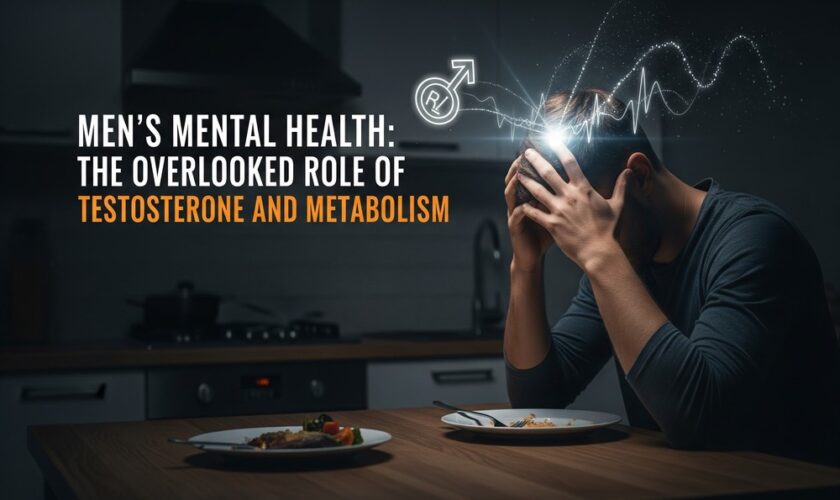
Men’s Mental Health: The Overlooked Role of Testosterone and Metabolism

Mental health conversations have expanded significantly in recent years, yet men’s emotional well-being remains one of the most underrecognized and undertreated areas of healthcare. Many men experiencing irritability, low motivation, anxiety, or depressive symptoms are encouraged to focus solely on stress management or psychotherapy-important tools, but not always the complete picture. Emerging research and clinical experience increasingly show that hormonal balance and metabolic health play a meaningful role in male mental and emotional resilience.

Testosterone, insulin sensitivity, thyroid function, sleep quality, and inflammation all influence brain chemistry, energy regulation, and emotional stability. When these systems are disrupted, mood changes may appear gradually and be misattributed to personality, aging, or external stress alone. Understanding how hormones and metabolism intersect with mental health allows for a more comprehensive approach-one that validates men’s lived experiences and expands pathways to support.

Why Men’s Mental Health Is Often Missed

Men are statistically less likely to seek mental health care, and when they do, symptoms may present differently than traditional diagnostic frameworks expect. Rather than expressing sadness, men may report irritability, emotional numbness, restlessness, or a sense of disengagement. These patterns can delay recognition of underlying mental health concerns.

Cultural expectations around stoicism and self-reliance also contribute to underreporting. Many men are taught to tolerate discomfort rather than explore its origins, leading to years of untreated emotional strain. When mental health support is pursued, the focus is often limited to talk therapy or medication without a deeper evaluation of physiological contributors.

This gap highlights the importance of broader assessments. Emotional well-being does not exist in isolation from the body. Hormonal shifts, metabolic dysfunction, and chronic stress can all influence how emotions are processed and regulated.

Testosterone and Emotional Regulation

Testosterone is commonly associated with muscle mass and sexual function, but its influence on the brain is equally significant. It plays a role in neurotransmitter activity, particularly dopamine and serotonin pathways that affect motivation, mood, and reward processing. When testosterone levels decline, men may experience fatigue, low drive, irritability, or depressive symptoms.

Low testosterone does not always present dramatically. Subtle changes-difficulty concentrating, decreased confidence, or reduced enjoyment of activities-can accumulate over time. These experiences are often dismissed as normal aging, even when they meaningfully impact quality of life.

In clinical settings focused on hormonal balance, such as those offering TRT therapy through providers like Lions OpTimal Health, evaluation often includes not just hormone levels but symptom patterns and overall health context. This approach recognizes that emotional changes may be early indicators of physiological imbalance rather than isolated mental health concerns.

Metabolism, Energy, and Mood

Metabolic health is deeply intertwined with mental well-being. Insulin resistance, obesity, and chronic inflammation affect energy availability to the brain and alter stress hormone signaling. Men with metabolic dysfunction may feel persistently tired, mentally foggy, or emotionally reactive, even when sleep and lifestyle habits appear adequate.

Blood sugar fluctuations can contribute to mood swings, anxiety, and difficulty managing stress. Over time, these patterns strain the nervous system and increase vulnerability to depression. Importantly, metabolic changes can also suppress testosterone production, creating a reinforcing cycle between hormonal decline and emotional distress.

Recognizing metabolic health as a mental health factor expands the scope of care. Addressing nutrition, physical activity, and metabolic markers can improve not only physical outcomes but emotional stability as well.

Stress Hormones and Emotional Burnout

Chronic stress elevates cortisol, the body’s primary stress hormone. While cortisol is essential for survival, prolonged elevation disrupts sleep, impairs immune function, and interferes with testosterone production. Over time, this imbalance contributes to emotional burnout and reduced stress tolerance.

Men under sustained work, financial, or caregiving stress may normalize high-stress states, unaware of their cumulative physiological impact. Emotional numbness, irritability, or detachment can emerge as protective responses rather than signs of weakness.

Understanding stress as a hormonal process rather than purely psychological reframes emotional exhaustion. It encourages interventions that address both external pressures and internal physiological regulation.

The Role of Comprehensive Hormone Evaluation

Mental health symptoms alone rarely point to a single cause. Comprehensive evaluation allows clinicians to assess testosterone levels, metabolic markers, thyroid function, and inflammatory indicators alongside emotional symptoms. This integrated perspective reduces the likelihood of overlooking treatable contributors.

Men’s hormone diagnostics, such as those used in specialized settings like EveresT Men’s Health, often examine patterns rather than isolated lab values. Testosterone that falls within a “normal” range may still be insufficient for a particular individual’s neurological and emotional needs.

When hormone imbalances are identified, treatment decisions are made cautiously and in context. The goal is not to override the body’s systems, but to restore balance in ways that support both mental clarity and physical health.

Psychological Support Remains Essential

While hormones and metabolism matter, mental health care is not replaced by physiological intervention-it is enhanced by it. Counseling and therapy remain critical tools for processing emotions, developing coping strategies, and addressing relational or cognitive patterns that influence well-being.

Mental health services that incorporate a holistic view of the individual recognize this interplay. Providers such as Kimball Health Services, which offer expert mental health care and counseling, often emphasize collaboration between medical and psychological disciplines. This ensures that emotional symptoms are explored both internally and biologically.

Therapy can be especially effective when physical contributors are addressed simultaneously. When energy levels improve and emotional volatility stabilizes, men may find it easier to engage meaningfully in psychological work.

Breaking the Stigma Around Hormones and Emotions

Many men hesitate to explore hormonal health due to misconceptions about masculinity or fear of dependency. Concerns often arise that acknowledging low testosterone (low T) signals weakness or a loss of identity. In reality, maintaining hormonal balance can support resilience, focus, and emotional regulation-qualities traditionally valued in masculine roles.

Mental health struggles are frequently minimized or externalized, and changes in mood or motivation may reflect underlying physiological imbalances. Clinics that focus on men’s health, such as EveresT Men’s Health, provide evaluation and management for low testosterone and related metabolic concerns. By identifying hormonal deficiencies and creating individualized plans, these assessments can help men address symptoms such as fatigue, low libido, or emotional fluctuations, highlighting that physiological factors can contribute to mental health challenges.

Education plays a critical role in shifting these narratives. Understanding that emotional well-being is supported by complex biological systems allows men to approach care as an act of responsibility rather than vulnerability, and encourages earlier engagement with interventions that may improve both mood and overall quality of life.

Long-Term Emotional Health and Aging

Hormonal and metabolic changes are not static; they evolve with age. Testosterone levels naturally decline over time, but the rate and impact vary widely. Lifestyle factors, chronic illness, sleep quality, and stress exposure all influence how these changes manifest emotionally.

Proactive monitoring allows men to adapt rather than react. Addressing subtle imbalances early can prevent the progression of mood disorders, cognitive decline, and burnout later in life. Emotional health in midlife sets the foundation for psychological resilience in older age.

Viewing mental health as a lifelong process encourages ongoing self-awareness and engagement with care, rather than crisis-driven intervention.

A More Integrated Model of Men’s Mental Health

The future of men’s mental health lies in integration rather than separation. Emotional well-being, hormonal balance, metabolic health, and psychological support are interconnected systems that influence one another continuously.

When care models acknowledge this complexity, men are more likely to receive accurate diagnoses and effective support. Instead of asking whether symptoms are “physical or mental,” integrated care asks how systems interact-and how balance can be restored thoughtfully.

This approach does not oversimplify mental health, nor does it medicalize emotion. Instead, it honors the reality that the mind and body function as one.

Conclusion: Reframing Emotional Health for Men

Men’s mental health deserves nuanced, comprehensive attention. Hormonal imbalances and metabolic dysfunction can quietly shape mood, motivation, and emotional resilience, often long before overt mental health diagnoses emerge. Recognizing these connections expands the conversation and creates more pathways to support.

By approaching emotional well-being through both medical and psychological lenses, men gain access to care that reflects their full experience. Balance, rather than quick fixes, becomes the goal-supporting not just symptom relief, but long-term emotional stability, clarity, and quality of life.

read more
Health

How does prescriptions online maintain patient medical records and history?

Digital prescription platforms implement sophisticated electronic health record systems that maintain comprehensive patient medical histories across all consultation interactions. Modern healthcare technology demonstrates advanced record-keeping capabilities that integrate seamlessly with existing healthcare systems while providing enhanced accessibility and security features. NextClinic utilizes cloud-based storage systems that ensure medical record continuity, enable provider collaboration, and maintain detailed documentation of all patient interactions. Modern electronic health records provide superior organization and accessibility compared to traditional paper-based medical documentation systems.

Electronic health record integration

Healthcare platforms maintain interoperable systems that connect with existing electronic health records from hospitals, clinics, and other healthcare providers. Integration capabilities enable comprehensive medical history compilation that includes previous diagnoses, treatment plans, laboratory results, and specialist consultations from multiple healthcare sources. Seamless integration prevents medical information fragmentation while ensuring that prescriptions online providers have access to complete patient medical histories for informed prescribing decisions. Real-time synchronization ensures that medical record updates from any healthcare provider immediately become available to all authorized medical professionals involved in patient care.

Comprehensive data management

Medical record storage systems utilize advanced cloud infrastructure that provides reliable access to patient information while maintaining strict security protocols. Cloud-based storage offers enhanced reliability compared to traditional local server systems through redundant backup systems, disaster recovery protocols, and global accessibility that ensures medical records remain available during system maintenance or unexpected technical issues. Modern cloud infrastructure provides superior data protection and accessibility compared to traditional paper-based or local electronic storage systems.

  1. Automated backup procedures with multiple redundancy levels for data protection
  2. Advanced search capabilities enabling rapid access to specific medical information
  3. Customizable organization systems that adapt to individual patient needs and preferences
  4. Integration with prescription management systems for seamless medication tracking
  5. Comprehensive audit trails documenting all record access and modification activities

What is the Importance and Standards of a Medical Record?

Patient information organization includes sophisticated categorization systems that enable healthcare providers to quickly locate relevant medical information during consultations. Advanced organization features include chronological timelines, condition-specific summaries, medication interaction alerts, and treatment outcome tracking that support informed medical decision-making while reducing consultation time requirements.

Security privacy protocols

  • Access control systems implement role-based permissions that restrict medical record viewing to authorized healthcare providers directly involved in patient care. Multi-level security protocols ensure that different types of medical information require appropriate authorization levels while maintaining comprehensive audit trails of all record access activities. These security measures prevent unauthorized access while enabling appropriate medical information sharing among qualified healthcare professionals.
  • Data encryption protocols protect patient medical records during storage and transmission using advanced security standards that exceed banking industry requirements. Comprehensive encryption includes patient communications, prescription information, medical images, and laboratory results that remain protected throughout all system interactions. Advanced security measures create protective barriers that prevent unauthorized access while maintaining seamless functionality for authorized users.

Continuity of care support

Longitudinal tracking systems maintain detailed medical histories that span multiple healthcare interactions, enabling providers to identify treatment patterns, medication effectiveness, and health status changes over time. Comprehensive tracking includes symptom progression, treatment responses, and quality of life improvements that support evidence-based treatment adjustments and long-term health outcome optimization through systematic medical record analysis. Transition support systems facilitate seamless medical record sharing when patients change healthcare providers or require specialist referrals.

Digital medical records enable better healthcare coordination while empowering patients with greater control over their health information. These sophisticated systems create lasting medical documentation that supports improved health outcomes through better informed medical decision-making and enhanced provider collaboration across all healthcare interactions.

read more
Health

Can online prescriptions replace in-person visits?

Modern healthcare delivery continues evolving with digital innovations that reshape patient-provider interactions across multiple medical specialties. Telehealth services now offer comprehensive medical consultations, diagnostic capabilities, and prescription management without requiring physical clinic attendance. These virtual healthcare options provide convenience and accessibility while maintaining medical standards and regulatory compliance. The growing acceptance of digital healthcare reflects changing patient preferences and advancing technology capabilities that support remote medical care delivery across diverse patient populations and medical conditions requiring online prescriptions.

Virtual consultation capabilities

NextClinic demonstrates how virtual consultations can address numerous medical conditions that previously required office visits. Digital platforms enable real-time video consultations where physicians conduct visual assessments, review patient histories, and make treatment decisions comparable to face-to-face encounters. Remote consultations work particularly well for routine check-ups, prescription renewals, and follow-up appointments where physical examination requirements remain minimal. Healthcare providers can evaluate symptoms, assess treatment responses, and adjust medications based on patient feedback and visual observation during video calls.

Physical examination limitations

Certain medical conditions require hands-on examination techniques that virtual consultations cannot replicate adequately. Physical assessment needs include palpation, auscultation, and specialized diagnostic procedures that demand direct patient contact for accurate evaluation.

  1. Heart rhythm irregularities requiring stethoscope examination
  2. Abdominal pain assessment needs manual palpation techniques
  3. Joint mobility evaluation requiring physical manipulation
  4. Skin condition diagnosis demanding tactile examination
  5. Blood pressure measurement using calibrated equipment
  6. Neurological testing requiring direct physical response assessment

These examination requirements create natural boundaries for virtual healthcare delivery while highlighting situations where in-person visits remain necessary for comprehensive medical evaluation and accurate diagnosis.

How You Can Avoid the Headache of a Doctor's Referral for Physical Therapy  | Saskatoon SK

Prescription safety protocols

Digital prescription services implement robust safety measures that mirror in-person prescribing standards while adding technological safeguards to virtual healthcare delivery. These protocols ensure appropriate prescribing practices regardless of consultation format. Electronic prescription systems include drug interaction checking, allergy verification, and dosage calculation assistance that may exceed safety features available in traditional paper-based prescribing methods. Digital health records provide immediate access to patient medication histories and previous treatment responses.

Condition-specific suitability

Virtual consultations excel in managing chronic conditions requiring regular monitoring and medication adjustments. These include diabetes management, hypertension control, and mental health treatment, where ongoing communication matters more than frequent physical examination.

  1. Routine prescription renewals for stable chronic conditions
  2. Mental health medication management and adjustment
  3. Follow-up consultations after initial in-person diagnosis
  4. Preventive care discussions and health maintenance planning
  5. Minor acute illness evaluation and treatment
  6. Post-treatment monitoring and recovery assessment

The suitability varies considerably based on individual patient needs, medical complexity, and physician comfort levels with remote assessment capabilities for specific conditions and treatment scenarios.

Regulatory compliance frameworks

Healthcare regulations governing virtual prescribing continue evolving to balance patient access with safety requirements. Current frameworks establish guidelines for appropriate virtual prescribing while maintaining professional accountability and patient protection standards.

  1. Licensed physician requirements for prescribing authorization
  2. Patient identification verification before prescription approval
  3. Medical record documentation standards for virtual consultations
  4. Prescription monitoring system compliance for controlled substances
  5. State licensing requirements for cross-border telehealth delivery
  6. Professional liability coverage for virtual healthcare services

These regulatory structures create accountability measures that ensure virtual prescribing maintains equivalent safety standards to traditional medical practice while accommodating the unique aspects of digital healthcare delivery. Virtual healthcare represents a complementary addition to medical care rather than a complete replacement for in-person visits. The technology excels in specific scenarios while acknowledging limitations that require traditional medical encounters.

read more
Health

How do you verify the specialist referral’s online authenticity?

Specialist referral verification requires systematic authentication processes that confirm referring physician credentials, patient identity, medical necessity, and legitimate healthcare relationships. Digital referral systems incorporate multiple security layers to prevent fraudulent specialist consultations and protect healthcare networks from unauthorized access. specialist referral online verification protocols ensure legitimate medical consultations while preventing insurance fraud, identity theft, and inappropriate specialist utilization through comprehensive authentication and validation procedures.

Referral source validation

Authentic specialist referrals originate from licensed healthcare providers with established practice credentials and legitimate patient relationships. Verification systems examine referring physician license numbers, board certifications, hospital privileges, and current practice status through state medical board databases. NextClinic compares practitioner details with regulatory databases tracking licensure and conduct to validate referral sources. Essential validation checkpoints include:

  • Referring to the physician’s DEA registration verification for controlled substance prescribing authority
  • Medical malpractice insurance confirmation and coverage verification through carrier databases
  • Hospital credentialing status and clinical privilege verification for inpatient specialist referrals
  • Practice location verification, ensuring geographic consistency with patient addresses
  • Electronic health record system integration confirming established patient-provider relationships

Automated validation systems flag referrals from providers with suspended licenses, expired certifications, or practice restrictions that could indicate fraudulent referral attempts.

Medical credential checks

Specialist credentials require thorough verification, including medical school graduation, residency completion, fellowship training, and board certification status in specific subspecialties. Authentication systems verify specialist education through medical school registries, residency program databases, and board certification organizations. Professional licensing databases confirm current specialist practice authorization and absence of regulatory sanctions or practice limitations. Credential verification encompasses:

  • Medical education verification through the Association of American Medical Colleges databases
  • Residency and fellowship training confirmation through program accreditation records
  • Board certification status verification, including recertification requirements and maintenance
  • Subspecialty certification validation for highly specialized referral consultations
  • Hospital credentialing verification, ensuring specialist practice privileges at referral institutions

Continuous monitoring systems update credential status changes, including license renewals, board recertification, and practice modifications that affect referral eligibility.

Electronic signature verification

Digital referral signatures require cryptographic authentication that links referrals to specific licensed physicians through unique identifier codes and timestamp verification. Electronic signature validation prevents referral forgery through advanced encryption technologies that detect unauthorized modifications or fraudulent signature applications. Multi-factor authentication protocols ensure that referring physicians personally authorise specialist referrals rather than staff members or unauthorised individuals. Signature authentication features include:

  • Biometric signature comparison against stored physician signature patterns
  • Time-stamped digital certificates confirming referral creation timing and authorization
  • IP address verification, ensuring referrals originate from legitimate practice locations
  • Device authentication confirming referrals from authorized computers or mobile devices
  • Password protection and secure token verification for high-value specialist referrals

Advanced authentication systems flag signature inconsistencies, unusual timing patterns, or geographic anomalies that could indicate fraudulent referral creation.

Cross-platform confirmation systems

Integrated healthcare networks enable referral verification across multiple platforms, including electronic health records, insurance systems, and specialist practice management software. Cross-platform authentication confirms patient identity, insurance coverage, medical necessity, and appointment scheduling consistency across all involved healthcare systems. Real-time verification prevents duplicate referrals, insurance fraud, and scheduling conflicts through automated communication protocols. Confirmation system components include:

  • Patient identity verification through multiple healthcare databases cross-referencing
  • Insurance eligibility confirmation and prior authorization requirement verification
  • Medical necessity validation through diagnosis code verification and treatment history review
  • Appointment scheduling coordination between referring and specialist practice systems
  • Quality assurance monitoring, tracking, referral appropriateness, and patient outcomes

Automated alerts notify healthcare providers of verification failures, system inconsistencies, or potential fraud indicators requiring immediate investigation. These comprehensive authentication systems protect patients, healthcare providers, and insurance systems from fraudulent activities while facilitating appropriate specialist access for legitimate medical needs. The continuous evolution of verification technologies maintains referral security standards against emerging fraud threats.

read more
Health

Seeing What Hurts: How CT and MRI Scans Help Pinpoint Pain at the Source

neurological care.

Understanding CT and MRI Scans

CT (Computed Tomography) and MRI (Magnetic Resonance Imaging) scans have transformed medical diagnostics by offering detailed, non-invasive views of the body’s internal structures. These imaging tools help doctors pinpoint the causes of pain and disease with greater accuracy, enabling more effective treatment plans.

CT scans, also called CAT scans, use X-ray technology to produce cross-sectional images of bones and dense tissues. Ideal for detecting fractures, tumors, and abnormalities, they provide rapid results, making them essential in emergencies.

MRI scans, by contrast, use powerful magnets and radio waves, without radiation, to capture highly detailed images of soft tissues like muscles, ligaments, and the brain. Though typically longer in duration, MRI is crucial for diagnosing complex conditions involving soft tissue.

Common Uses Of CT and MRI in Diagnosing Pain

CT and MRI scans are essential in diagnosing pain by providing detailed images that identify underlying causes. CT scans are often used in emergencies, such as trauma from accidents, to quickly detect fractures, internal bleeding, and organ damage. MRI scans, with their superior soft tissue imaging, are commonly used for chronic pain conditions, such as back pain, to assess intervertebral discs, spinal cord, and soft tissues, helping to identify issues like herniated discs or nerve compression—findings that may guide ongoing care under the supervision of a spine doctor. Both imaging methods are also vital for diagnosing pain related to internal organs. CT scans can detect conditions like kidney stones or appendicitis, causing abdominal pain, while MRIs are crucial for evaluating brain-related pain, including tumors or aneurysms, in neurological cases. By offering precise images, CT and MRI scans enable targeted treatments by uncovering the true source of pain.

The Science Behind Imaging Techniques

CT and MRI scans transform internal body structures into visible images, aiding in accurate diagnosis. CT scans use X-rays from different angles to create detailed images of bones, dense tissues, and organs in motion, making them ideal for emergencies. MRI scans use magnetic fields and radiofrequency to produce precise images of soft tissues, offering customizable imaging for different tissue types.

These technologies have advanced medical science, improving diagnosis and enabling personalized medicine. As technology progresses, CT and MRI scans will continue to enhance our ability to diagnose and treat pain.

How CT Scans Work: A Closer Look

CT scans use X-ray technology and computer processing to create detailed cross-sectional images. The patient lies on a motorized table that slides into a doughnut-shaped machine, where a rotating X-ray tube captures images from various angles, which are then processed into slices or a 3D image.

CT scans are fast, typically taking just a few minutes, with the scan itself lasting under a minute. This speed is crucial in emergencies, such as trauma or acute conditions. Contrast agents can be used to enhance the visibility of blood vessels, organs, and tumors.

While CT scans involve exposure to ionizing radiation, modern technology has reduced radiation levels while maintaining image quality. The decision to use a CT scan is carefully considered to ensure accurate diagnoses, making it a vital diagnostic tool.

The Role Of Imaging In Pain Management

Advanced imaging techniques like CT and MRI scans have significantly improved pain management by providing detailed views that support accurate diagnoses and targeted treatments. In cases of chronic back pain, identifying conditions such as herniated discs allows for care that directly addresses the source of discomfort. When symptoms are complex or hard to pinpoint, musculoskeletal and spinal imaging can offer valuable insight into issues affecting joints, nerves, or spinal structures. These scans also play a quiet yet important role in guiding minimally invasive procedures and surgical planning—CT scans help with spinal injection placement, while MRIs support pre-surgical evaluations. Continued imaging helps track progress over time, enabling timely adjustments to treatment. With these tools, healthcare providers can offer more precise and personalized pain management.

MRI Scans Explained: What To Expect

An MRI scan uses a strong magnetic field to create detailed images of the body. Patients change into a hospital gown, remove metal objects, and lie on a table that slides into the cylindrical machine. Staying still is crucial for clear images.

MRI is non-invasive and doesn’t involve radiation, making it safe for repeated use. However, the machine can be loud, producing thumping and tapping sounds. Earplugs or headphones are provided, and some facilities offer music for added comfort. Scan times usually range from 30 to 60 minutes.

In some cases, a contrast agent is injected to enhance the visibility of certain tissues. While generally safe, patients with implants like pacemakers may not be eligible. MRI is essential for diagnosing soft tissue conditions such as joint injuries or neurological disorders.

Comparing CT and MRI: Which Is Right For You?

Choosing between a CT scan and an MRI depends on the medical issue, the area being examined, and the urgency. CT scans are ideal for emergencies, offering quick images of bones and dense tissues, and are useful for diagnosing fractures, internal bleeding, and certain tumors.

MRI scans are better for evaluating soft tissues and complex structures like the brain, spinal cord, and joints, providing superior detail for conditions such as herniated discs, ligament tears, and brain abnormalities. MRI is also a safer option for repeated imaging, as it doesn’t involve radiation, which is important for children or long-term monitoring.

Ultimately, the choice between CT and MRI depends on the specific diagnosis, and both may sometimes be used together. Consulting a healthcare provider ensures the most appropriate imaging method is selected for the patient’s needs and safety.

Limitations And Risks Of CT and MRI Scans

CT and MRI scans are vital tools in modern medicine, but come with certain limitations and risks. CT scans expose patients to ionizing radiation, which, although reduced in modern technology, can still pose a risk, particularly for vulnerable groups like children and pregnant women. MRI scans, on the other hand, do not use radiation but can be unsafe for individuals with metal implants such as pacemakers, and the confined space of the MRI machine can cause discomfort for those with claustrophobia. Both imaging techniques also have limitations in resolution and specificity, sometimes requiring additional tests to confirm a diagnosis. Furthermore, accurate interpretation of scan results demands expertise to avoid subtle findings being missed or misinterpreted. Despite these challenges, CT and MRI scans remain invaluable tools in diagnosing a wide range of conditions, with continuous technological advancements improving their safety and diagnostic precision.

Advances In Imaging Technology And Their Impact On Diagnosis

Recent advancements in medical imaging have enhanced the capabilities of CT and MRI scans. Higher image resolution allows for detecting smaller structures like tumors and fractures, leading to more accurate diagnoses. Functional MRI (fMRI) now offers insights into brain activity by measuring blood flow, which helps in understanding neurological disorders and brain-related pain, guiding treatment approaches used by specialists in neurological care. Hybrid imaging technologies, such as PET/MRI, combine strengths from different modalities, providing comprehensive diagnostic information.

Artificial intelligence (AI) is also transforming the field by assisting in image interpretation, detecting patterns and anomalies that may be overlooked by humans. This improves diagnostic accuracy and speeds up the process, leading to more efficient and personalized care. As these technologies evolve, they continue to improve pain diagnosis and management, offering better opportunities for early intervention and enhanced patient outcomes.

Conclusion: The Future Of Pain Diagnosis With Imaging Techniques

The future of CT and MRI scans in pain diagnosis and management is promising, with ongoing advancements in technology enhancing precision and personalization. Improved image resolution, functional imaging, and AI integration will lead to more accurate diagnoses and better treatment outcomes. These tools not only help pinpoint pain sources but also provide patients with a clearer understanding of their conditions.

As technology continues to advance, healthcare providers will be able to offer more effective and compassionate care, improving the quality of life for many. In conclusion, CT and MRI scans are revolutionizing pain diagnosis, and with continued progress, they will guide us toward a pain-free future.

read more
Health

How do online specialist referrals work with private health insurance?

Online specialist referrals streamline the traditional healthcare pathway by connecting patients with appropriate specialists through digital platforms while maintaining insurance compliance requirements. Private health insurance policies typically require specific referral protocols to ensure coverage for specialist consultations and subsequent treatments. These digital systems automate much of the administrative burden while preserving the medical oversight for insurance approval. The specialist referral online process integrates directly with insurance verification systems, allowing real-time confirmation of coverage eligibility and required documentation. This integration eliminates many delays associated with traditional paper-based referral systems while ensuring all insurance requirements are met before specialist appointments are scheduled.

Digital pathway coordination

Online referral systems establish secure connections between primary care providers, specialists, and insurance networks to facilitate seamless patient transitions. These platforms verify patient insurance status automatically while matching medical needs with appropriate specialist availability within approved provider networks. The digital coordination reduces administrative overhead while maintaining clinical oversight throughout the referral process. The NextClinic demonstrate how technology can bridge the gap between primary care and specialist services while preserving insurance compliance requirements. These systems track referral status in real time and provide automatic updates to all parties involved in patient care coordination. The automation ensures nothing falls through administrative cracks while maintaining the medical supervision insurance policies require.

Insurance verification process

  • Real-time eligibility checking confirms active coverage and specialist benefit availability before appointments
  • Prior authorization automation submits required documentation directly to insurance reviewers through secure channels
  • Network provider validation ensures chosen specialists participate in patient insurance plans for maximum coverage
  • Benefit calculation tools provide cost estimates, including deductibles, copayments, and coverage limitations
  • Documentation compilation gathers all required medical records and referral justifications in standardized formats
  • Appeal preparation systems organize information for insurance disputes when initial approvals are denied

Timeframe expectations

Insurance-compliant online referrals are typically processed within 24-48 hours for routine specialist appointments, though urgent cases may receive expedited review. The digital submission eliminates postal delays, while automated systems immediately flag incomplete documentation or missing information. Emergency referrals bypass standard review processes but still require proper documentation for insurance billing purposes. Complex referrals requiring prior authorization may extend processing times to 5-10 business days while insurance reviewers evaluate medical necessity. The online systems provide status tracking that informs patients and providers about approval progress. Specialist scheduling often begins immediately after insurance approval confirmation, reducing overall wait times compared to traditional referral methods.

Documentation requirements

Comprehensive medical records form the foundation of successful insurance-approved specialist referrals through online platforms. Primary care providers must document symptom progression, treatment attempts, and medical reasoning that supports specialist consultation necessity. These records undergo automatic formatting to meet specific insurance documentation standards while preserving clinical detail. Digital systems compile patient histories, diagnostic results, and treatment summaries into standardized formats that insurance reviewers expect.

The automation reduces documentation errors while ensuring all required information accompanies referral submissions. Missing documentation triggers automatic alerts that prevent processing delays caused by incomplete submissions. Online platforms also maintain audit trails documenting every step of the referral process for compliance purposes. These records prove insurance requirements were met while providing appeal documentation if coverage disputes arise. The comprehensive tracking protects patients and providers while ensuring transparent communication with insurance networks throughout the specialist referral process.

read more
1 2 3 6
Page 1 of 6