Floors in busy spaces face a daily battle: relentless footsteps, spills, dragging furniture, and the kind of wear and tear that quickly reveals a poor flooring choice. In environments where durability and good looks must coexist, vinyl planks are rising to the challenge.
Challenges of Flooring in High Traffic Areas
Common Issues Faced by Traditional Flooring Materials
Carpet stains refuse to let go. Hardwood scratches at the slightest provocation. Even classic ceramic tiles can chip or crack when faced with heavy loads. The reality is that most traditional floors struggle when exposed to constant use, especially in hallways, retail shops, offices, or family entryways.
The Impact of Heavy Foot Traffic on Durability and Appearance
High traffic amplifies every weakness. Scuffed surfaces become visible paths, while moisture from shoes or cleaning makes wood warp and carpet fibers break down. The result is expensive repairs or a tired-looking floor that drags down the whole space.
Maintenance Difficulties in Busy Spaces
Regular cleaning becomes a chore when the floor absorbs every bit of dirt or moisture. Some materials demand special products or techniques, making simple upkeep a burden. For spaces where downtime is costly, floors that need frequent TLC simply do not make sense.
Why Do Vinyl Planks Stand Out as a Practical Flooring Solution?
Composition and Construction of Vinyl Planks
Vinyl planks are engineered for resilience. Multiple layers work together: a tough wear layer, a printed design layer for aesthetics, and a robust core that resists dents. The latest innovation, Stone Plastic Composite (SPC), takes things further with a rigid, waterproof core ideal for the toughest environments.
Enhanced Durability: Scratch, Stain, and Wear Resistance
The top layer on quality vinyl planks acts like armor. Shoes, shopping carts, pet claws, none leave a permanent mark easily. Stains wipe away without a trace, a serious advantage for both homes and businesses.
Water and Moisture Resistance Benefits
Where wood absorbs and swells, vinyl shrugs off water. Spills, mopping, or even puddles from wet shoes are not a threat. SPC variants, in particular, are fully waterproof, making them suitable for kitchens, entryways, and commercial settings.
Aesthetic Versatility and Design Options
Forget the plasticky look of old-school vinyl. Today’s planks mimic hardwood, stone, or even tile patterns with surprising realism. Wide choices in color, texture, and plank size let designers find a style that fits any vision.
Comparing Vinyl Planks to Other Flooring Types for High Traffic
| Feature | Vinyl Plank | Hardwood | Ceramic Tile | Carpet |
|——————–|———————|———————|———————|——————–|
| Durability | Excellent | Moderate | High (but brittle) | Poor |
| Water Resistance | Excellent | Poor | Excellent | Poor |
| Maintenance | Easy | High | Moderate | Difficult |
| Comfort Underfoot | Good | Good | Hard | Excellent |
| Installation Cost | Low | High | Moderate | Moderate |
| Cleaning | Simple | Specialized | Grout issues | Traps dirt |
Vinyl planks consistently deliver the best combination of durability, ease of care, and affordability among these options.
Key Features That Make Vinyl Planks Ideal for Busy Environments
Thickness and Wear Layer Explained
A thicker plank and a robust wear layer mean a longer-lasting floor. Wear layers typically range from 8 to 20 mil for residential, and up to 30 mil for commercial. The right specs protect against scratches and fading, even with constant use.
Impact of SPC (Stone Plastic Composite) Technology
SPC flooring incorporates a limestone core, giving it superior rigidity and dimensional stability. That translates to minimal expansion, contraction, or warping, regardless of temperature or humidity swings.
Leading suppliers such as Club Ceramic spc flooring offer a range of SPC products designed for demanding environments, making them a go-to resource for property managers and renovators.
Installation Methods Suited for High Traffic Areas
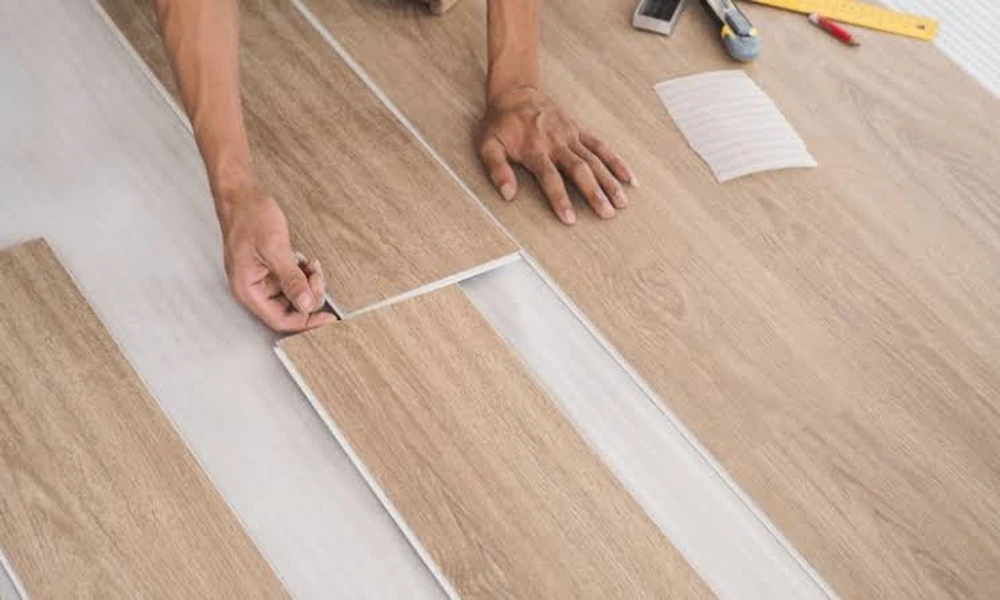
Click-lock systems and floating installations speed up the process and minimize downtime, while glue-down options can enhance stability for larger commercial jobs. Either way, the subfloor needs minimal prep compared to tile or hardwood.
Practical Benefits Beyond Durability
Ease of Cleaning and Maintenance Routines
Dirt and spills do not cling to vinyl planks. Routine sweeping and occasional mopping are enough to keep floors looking fresh, reducing labor and cleaning product costs.
Comfort Underfoot and Noise Reduction
Vinyl planks feel warmer and softer than tile, and many options come with attached underlayment to dampen noise, an often overlooked plus in crowded spaces.
Cost-Effectiveness Over Time
Initial installation costs are low, especially when factoring in reduced maintenance and longer replacement cycles. Over ten years, vinyl often proves more economical than hardwood or tile.
How to Choose the Right Vinyl Plank for Your Space
Assess the amount of foot traffic and type of wear expected. For commercial or busy family zones, choose planks with a thicker wear layer (20 mil or more) and an SPC core for maximum resilience. Style matters too; with the right color and finish, vinyl can blend seamlessly into any décor.
Installation Tips for Longevity in High Traffic Zones
A level, clean subfloor ensures the best results. While DIY installations are possible, professional installers can handle large spaces quickly and ensure long-term stability. Regular sweeping and prompt spill cleanup will keep floors in top condition for years.
Taking Action: Making Vinyl Planks Work for You
Evaluate your needs, choose a trusted supplier, and plan the installation for minimal disruption. With the right product and upkeep, vinyl planks will keep even the busiest spaces looking sharp and functioning flawlessly.