At one remote worksite, the generator kept running after the main load had dropped. Nobody needed to touch it immediately. The sound simply carried across the yard while several machines sat idle. It was a small operational detail, but it showed how quickly power demand can change. Moments like that make hybrid power generation easier to understand. Different sources can share the workload instead of leaving one system responsible for every demand. The real value comes from matching each source to the part of the load it can handle well.
Matching Power Sources to Demand
Power demand rarely stays fixed for an entire working period. Equipment starts, stops, pauses, and sometimes operates at reduced capacity. A generation setup that responds to those changes can avoid unnecessary fuel use and reduce wasted capacity. That requires more than simply adding renewable equipment beside a generator.
A hybrid arrangement can coordinate several sources according to the load. Battery storage can handle short changes, while generation equipment supplies longer periods of demand.
· Batteries can respond quickly to sudden load changes.
· Generators can cover sustained higher demand.
· Renewable sources can contribute when available.
· Control systems can coordinate changing power requirements.
The important point is coordination. Each source has a particular job rather than competing for the entire load.
Using Batteries During Changing Loads
Battery storage changes how generation equipment responds to short demand periods. A generator doesn’t need to increase output every time a machine starts for a brief period. The battery can provide additional power before the generator needs to react.
That can matter at worksites where equipment repeatedly switches between high and low loads. The battery absorbs some of those fluctuations. Less cycling can also affect how generation equipment operates over longer periods.
A natural extension of hybrid power generation is coordinated battery storage that responds to changing electricity demand. The sentence is straightforward because the battery isn’t presented as a separate system. It’s part of how the overall supply responds.
Battery capacity still matters. A small storage system has limited ability to cover extended demand. Larger requirements call for careful sizing based on actual load patterns rather than assumptions.
Adding Renewable Supply Without Losing Control
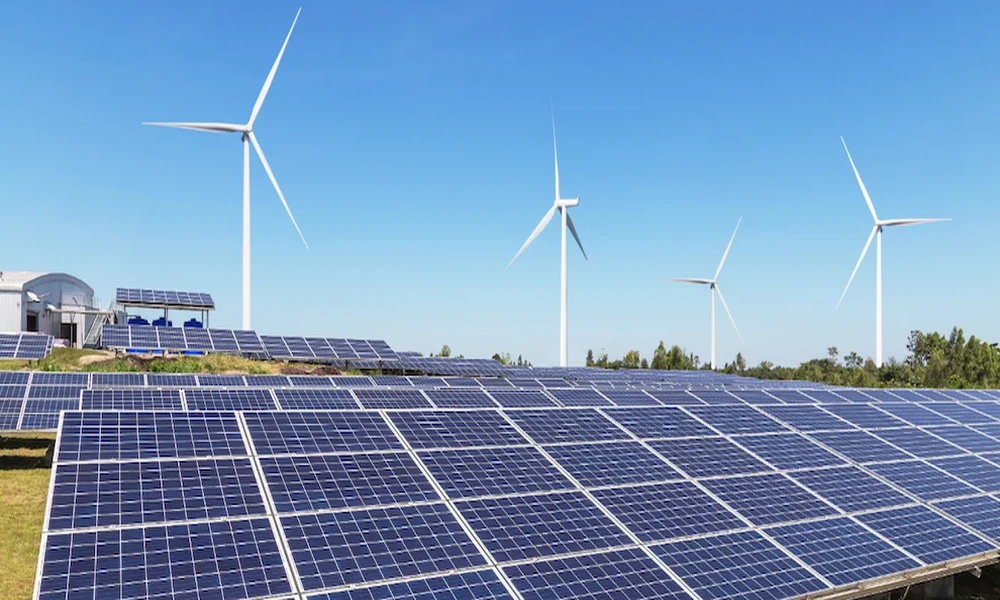
Renewable generation can reduce reliance on fuel when conditions allow useful output. Solar generation is one example where available energy can contribute during suitable periods. Yet renewable output can change with weather and operating conditions.
That variability doesn’t make planning impossible. It simply changes the role of the other sources. Generation equipment can remain available for periods when renewable production falls below demand.
Operators therefore need to consider several practical details:
· Expected renewable output across the operating period
· Available space for generation equipment
· Battery capacity and expected charging patterns
· Generator capacity during low renewable production
· Control requirements between connected power sources
The goal isn’t to make one source responsible for everything. A balanced arrangement gives each source a defined part of the workload.
Designing Around Site Conditions
A system that works well at one location may need different sizing elsewhere. Site conditions influence the practical arrangement. Remote locations may have limited grid access, while temporary projects can have changing equipment requirements.
Power demand should be measured before equipment is selected. A list of machines alone doesn’t show how often they operate together. Actual load data gives a clearer view of peak demand, low-demand periods, and repeated fluctuations.
| Power source | Main role | Useful consideration |
|---|---|---|
| Battery storage | Short demand changes | Fast response |
| Solar generation | Renewable contribution | Output varies |
| Generator | Sustained demand | Fuel requirement |
Access matters too. Equipment placement affects installation, maintenance, fuel delivery, cable routing, and future adjustments. A technically suitable system can still create practical problems if the physical layout isn’t considered early.
Keeping Operations Ready for Change
Energy requirements can shift when a project adds equipment or changes its working schedule. A system designed with some flexibility can respond without requiring a complete replacement. That’s particularly useful for temporary operations where demand changes over time.
Monitoring provides another useful layer. Operators can see how much power different sources are supplying and identify periods where equipment is being used inefficiently. Those observations can guide later adjustments.
Questions Operators Often Ask
· Can hybrid generation work without reliable grid access? Yes, Different generation sources and storage can work together where grid supply isn’t available or isn’t sufficient.
· What does battery storage add to the system? It can respond quickly to short demand changes and reduce the need for generators to react to every fluctuation.
· Does renewable generation replace generators completely? Not necessarily. Renewable output can vary, so another source may still be required when production falls.
· How should equipment capacity be selected? Start with actual load information, including peak demand, operating patterns, and periods when several machines run together.
· Can the setup change when power demand grows? A suitably planned system can allow additional capacity or different equipment as operating requirements develop.
Back at that worksite, the generator eventually settled into a lower operating level. The machines that had been drawing power earlier were quiet for the moment. A battery handled the smaller change instead of forcing the generator to respond immediately. That small shift captured the practical idea behind smarter energy supply, where each source does only the work the situation calls for.