
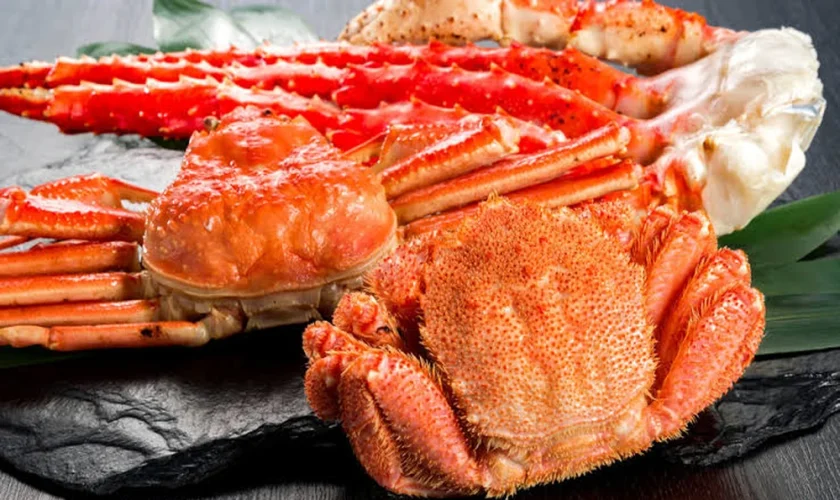
Wild crustacean harvest cycles in frigid ocean waters dictate market supply and retail price structures across each calendar year. Deep Bering Sea environments foster prime commercial stocks that reach peak flavor and physical size late in the annual harvest cycle. Coastal management authorities enforce strict ecological mandates to preserve wild populations while they supply commercial seafood trade networks.
Smart retail shoppers seek out top-quality king crab legs for sale in peak winter months to secure maximum meat density and sweet taste. Strategic purchase schedules enable home cooks to obtain ocean-fresh products at reasonable retail costs. This informative guide covers key season facts, quality indicators, product features, and practical purchase considerations.
King Crab Season and Product Availability
King crab harvest seasons follow strict fishery regulations that support sustainable management and help maintain healthy crab populations. Harvest schedules differ by species and fishing region, which means fresh catches reach the market at different times throughout the year. Frozen products remain widely available because processors preserve quality shortly after harvest.
Reliable seafood suppliers maintain consistent inventory through careful freezing and cold chain handling. This process allows shoppers to enjoy premium king crab beyond the active fishing season. Product quality depends more on proper handling than on the purchase date alone.
Facts That Affect Product Quality
Several details help determine the quality of king crab before purchase.
- Wild-caught crab usually offers a firm texture and naturally sweet flavor.
- Flash freezing soon after harvest helps preserve freshness.
- Pre-cooked products allow quick meal preparation.
- Secure packaging protects seafood during transportation.
- Clear product information helps buyers understand size and serving expectations.
These features provide useful clues when comparing seafood options from different suppliers.
Signs of Premium King Crab
High-quality crab legs usually have a bright shell, firm meat, and a clean appearance. Excessive ice crystals or damaged packaging may indicate storage issues. Proper labeling also helps identify the crab species and product origin.
Smart Tips Before Purchase
A little preparation can improve the shopping experience and reduce surprises after delivery. Each detail contributes to better meal planning and helps maintain seafood quality after arrival.
Important Points to Review
Product Features Worth Knowing
Premium seafood suppliers commonly offer wild-caught king crab that arrives pre-cooked and frozen soon after harvest to preserve flavor and texture. Orders usually arrive in insulated packaging with frozen protection, while preparation requires only thawing and gentle reheating before serving. These product features allow shoppers to enjoy restaurant-quality seafood at home without complicated preparation.
Storage and Meal Planning
Frozen king crab should remain frozen until meal preparation. Refrigerator thawing helps preserve texture and allows even heating before serving. Gentle steaming, baking, grilling, or boiling helps maintain natural flavor without drying the meat. Meal planning also becomes easier when portion sizes match the number of guests. Large legs create an impressive main course, while smaller portions pair well with salads, vegetables, or seafood platters. Shoppers who compare seasonal inventory may also notice king crab legs for sale in several package sizes that fit different occasions.
King crab season offers valuable insight into product availability, harvest timing, and seafood quality. Buyers who understand these facts can evaluate products with greater confidence and choose options that suit their dining plans. Careful attention to storage, preparation, and product details helps preserve flavor from purchase through the final meal. Seasonal knowledge also supports smarter seafood choices throughout the year.