
Key Highlights
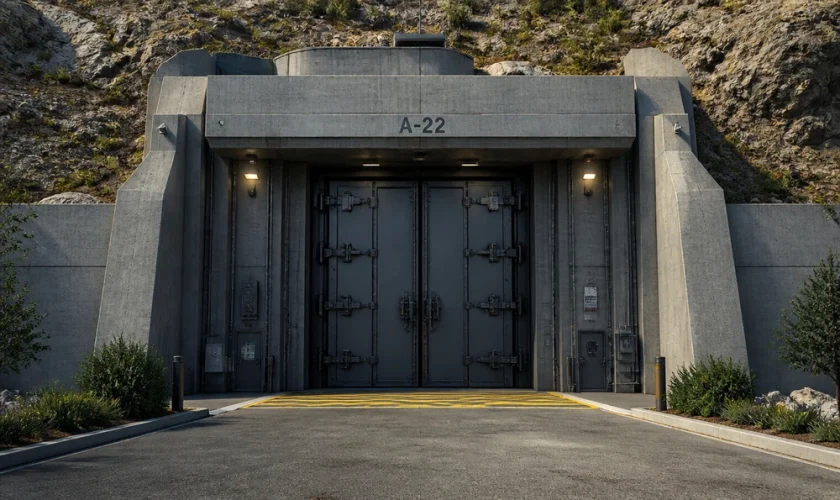
- Industrial blast doors provide primary containment against explosive pressure waves.
- Blast-resistant windows maintain operational visibility without compromising structural integrity.
- Chemical isolation requires airtight sealing that standard entry points cannot achieve.
- Modern facilities integrate custom-engineered barriers to mitigate both physical and chemical hazards.
- Routine inspection and certification are essential for maintaining protective standards.
Introduction
In the high-stakes environment of modern industrial processing, the margin for error is non-existent. Facilities handling volatile compounds or high-pressure systems must prioritise the safety of their personnel and the integrity of their surrounding infrastructure. Industrial accidents, though rare when managed with rigour, carry the potential for catastrophic consequences. Consequently, many organisations are turning to specialised engineering solutions to create a robust line of defence. Central to this strategy is the implementation of industrial blast doors, which serve as a critical barrier between hazardous zones and safe areas.
The Role of Physical Containment
Primary containment is not merely about preventing a collapse but about managing the release of energy. When a blast occurs, the resulting pressure wave moves with incredible velocity. A standard door would simply fail under such stress, allowing the shockwave to penetrate deep into the facility. By contrast, industrial blast doors are engineered to absorb and deflect these forces, ensuring that the impact is localised. This level of isolation is vital for protecting sensitive control rooms and keeping authorised personnel safe during an emergency.
Visibility and Structural Integrity
While solid barriers are essential, operational requirements often demand that staff maintain visual contact with hazardous processes. Historically, windows were the weakest point in any protective shell. However, modern blast-resistant windows have changed this dynamic. These specialised glazing units are designed to stay within their frames even when subjected to intense pressure. By integrating blast-resistant windows into the facility design, managers can ensure safety without sacrificing the oversight necessary for efficient production. This combination of transparency and strength allows for a more responsive safety culture within the plant.
Mitigating Chemical Hazards
Beyond physical impact, the threat of chemical leakage is a constant concern for modern industrial plants. Standard entry points often lack the airtight seals required to prevent the migration of toxic gases or corrosive vapours. Specialist isolation solutions focus on creating a hermetic seal that ensures chemical threats remain contained at the source. This prevents the contamination of clean zones and allows for a more controlled evacuation or response process. The engineering required to achieve this level of isolation is significant, often involving bespoke materials and precise installation techniques to ensure the seal remains intact under all conditions.
Compliance and Regulatory Standards
Regulatory bodies across the globe are increasingly tightening their requirements for high-risk industrial facilities. Adherence to these standards is not merely a legal obligation but a cornerstone of operational safety. Industrial blast doors and blast-resistant windows must undergo rigorous testing to ensure they meet international certification protocols. These certifications guarantee that the equipment will perform as expected under extreme conditions. By selecting certified solutions, plant operators demonstrate a commitment to best practices, effectively reducing liability and fostering a safer environment for all staff involved in critical operations.
Long-Term Maintenance and Reliability
The true value of protective infrastructure lies in its longevity. Industrial blast doors and blast-resistant windows are significant investments designed to provide enduring protection. To maintain their structural integrity, these systems require a scheduled maintenance regime. Regular inspections identify potential wear or fatigue in seals and hinges, allowing for preemptive repairs that prevent critical failure. A proactive approach to maintenance ensures that these protective assets remain as reliable as the day they were installed, providing consistent defence against potential threats for years to come.
Conclusion
The safety of a modern industrial facility depends on a multi-layered approach to risk management. From the initial design phase to the daily operational routine, every effort must be made to minimise the potential for harm. By investing in high-quality industrial blast doors and maintaining them through regular certification, a facility can ensure it is prepared for the unexpected. These barriers do more than just protect equipment; they provide the peace of mind necessary for a productive and secure workplace. When dealing with the dual threats of chemical and physical hazards, nothing less than the highest standard of protection will suffice.
Contact us at FUCARE Protection to learn more about our specialist containment solutions.