
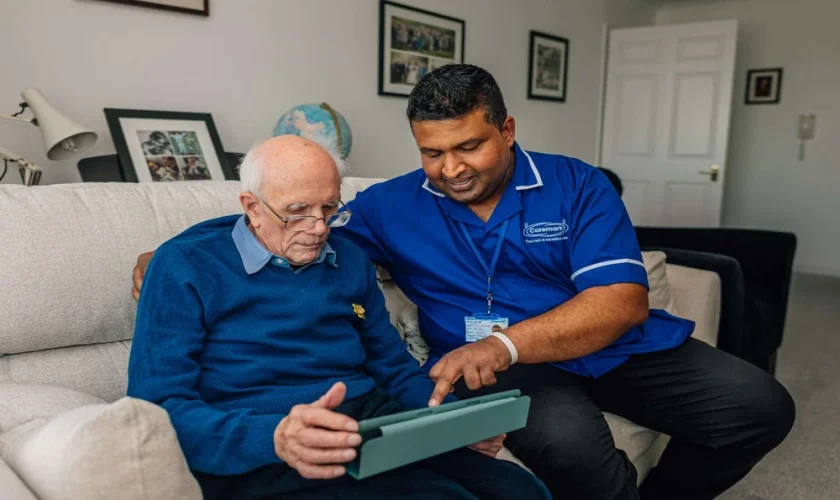
Getting older shouldn’t mean giving up the activities, friendships and everyday experiences that make life enjoyable.
For many people, something as simple as visiting a favourite café, attending a local community group or spending an afternoon shopping can provide a welcome sense of independence.
However, reduced mobility, health difficulties or a lack of reliable transport can gradually make these outings more challenging.
Across Ashford, Folkestone, Hythe and the surrounding communities, families are increasingly aware that supporting an older relative involves more than helping with essential household tasks.
Maintaining social connections, confidence and personal interests can be just as important to everyday wellbeing.
Why Staying Socially Active Matters
Social interaction plays an important role in emotional wellbeing throughout life.
For older people, opportunities to spend time with others can help maintain friendships, provide a sense of belonging and encourage continued involvement in the local community.
Unfortunately, circumstances can change.
Someone who previously enjoyed travelling independently may become less confident after an illness or a change in mobility.
Others may find that friends have moved away or that opportunities for regular social activities have become limited.
These changes do not necessarily mean someone wants to stop participating in everyday life.
They may simply need a little additional support to continue doing the things they enjoy.
Small Outings Can Make a Meaningful Difference
An enjoyable day doesn’t always require an elaborate activity.
For one person, a visit to the local shops might be something to look forward to. Another may enjoy a short walk, a trip to the garden centre or a quiet cup of tea in a familiar café.
Across East Kent, communities such as Ashford, Tenterden, Folkestone and Hythe offer different opportunities for social activities and outings.
What matters most is understanding the individual’s preferences rather than assuming everyone enjoys the same things.
Professional care assistants can sometimes help people continue participating in appropriate activities, depending on their needs and the support agreed within their care plan.
How Home Care Supports Independence
Home care is often associated with practical assistance such as preparing meals, personal care or managing everyday household routines.
However, personalised care can also involve helping individuals remain involved in activities they value.
For families considering home care in Ashford, this might include assistance getting ready for an outing, preparing to attend an appointment or maintaining regular social contact.
The emphasis should be on supporting independence rather than taking over activities unnecessarily.
For example, someone who can still choose their own shopping and manage purchases may simply benefit from assistance with transport arrangements or moving around safely.
A thoughtful care plan recognises these individual capabilities and preferences.
The Value of Companionship
Not everyone needs help with personal care or household tasks.
Some older people remain physically independent but find themselves spending more time alone than they would like.
A regular companionship visit can offer conversation, shared activities and an opportunity to maintain social interaction.
This might involve playing a favourite board game, enjoying music, looking through family photographs or spending time together over a cup of tea.
For people who enjoy being outdoors, a care assistant may also provide suitable support with agreed activities outside the home.
Services such as live in care in Ashford are designed around individual preferences, helping people enjoy meaningful interactions and maintain familiar routines.
Supporting Confidence After a Change in Health
Following illness, an injury or a period in hospital, someone may feel less confident about returning to their normal activities.
Even when medical treatment has finished, rebuilding confidence can take time.
Families can help by listening to concerns and encouraging realistic, manageable activities.
Professional care support may also be useful where someone needs assistance with everyday routines.
Any activity should be appropriate for the person’s mobility and health circumstances, with guidance from relevant healthcare professionals where necessary.
The objective is not to push someone beyond their comfort or capabilities, but to help them maintain choice and independence wherever possible.
Involving Families in Care Planning
Relatives often know which activities and interests matter most to their loved ones.
Sharing this information with a care provider can help create a more personalised experience.
Families might discuss favourite hobbies, preferred visiting times, familiar places or important community connections.
These details can be especially useful when someone has recently started receiving care.
Care plans should also be reviewed as needs and preferences change.
Regular communication helps ensure that support continues to reflect the individual’s circumstances.
Choosing Care That Supports the Whole Person
Caremark Ashford & Shepway provides personalised domiciliary care, companionship, personal care and additional home-based services across Ashford, Folkestone, Hythe, Tenterden, Romney Marsh and surrounding areas.
Its approach focuses on understanding each person’s needs, established routines and individual preferences.
For families exploring care options, it is worth asking how a provider supports independence, meaningful activities and social wellbeing alongside essential daily assistance.
Helping Older People Continue Enjoying Everyday Life
Growing older may bring changes, but it shouldn’t automatically mean becoming disconnected from the people and places that matter.
With suitable assistance, many older people can continue enjoying familiar activities, maintaining relationships and participating in their communities.
Sometimes, the most valuable support isn’t about doing something extraordinary.
It’s simply helping someone continue doing the ordinary things that make their days enjoyable.
Contact Caremark Ashford & Shepway
James Edwards MIoL – Managing Director
Telephone: 01233 423330
Email: ashfordandshepway@caremark.co.uk