





close

Health

Health

Men’s Mental Health: The Overlooked Role of Testosterone and Metabolism

Mental health conversations have expanded significantly in recent years, yet men’s emotional well-being remains one of the most underrecognized and undertreated areas of healthcare. Many men experiencing irritability, low motivation, anxiety, or depressive symptoms are encouraged to focus solely on stress management or psychotherapy-important tools, but not always the complete picture. Emerging research and clinical experience increasingly show that hormonal balance and metabolic health play a meaningful role in male mental and emotional resilience.

Testosterone, insulin sensitivity, thyroid function, sleep quality, and inflammation all influence brain chemistry, energy regulation, and emotional stability. When these systems are disrupted, mood changes may appear gradually and be misattributed to personality, aging, or external stress alone. Understanding how hormones and metabolism intersect with mental health allows for a more comprehensive approach-one that validates men’s lived experiences and expands pathways to support.

Why Men’s Mental Health Is Often Missed

Men are statistically less likely to seek mental health care, and when they do, symptoms may present differently than traditional diagnostic frameworks expect. Rather than expressing sadness, men may report irritability, emotional numbness, restlessness, or a sense of disengagement. These patterns can delay recognition of underlying mental health concerns.

Cultural expectations around stoicism and self-reliance also contribute to underreporting. Many men are taught to tolerate discomfort rather than explore its origins, leading to years of untreated emotional strain. When mental health support is pursued, the focus is often limited to talk therapy or medication without a deeper evaluation of physiological contributors.

This gap highlights the importance of broader assessments. Emotional well-being does not exist in isolation from the body. Hormonal shifts, metabolic dysfunction, and chronic stress can all influence how emotions are processed and regulated.

Testosterone and Emotional Regulation

Testosterone is commonly associated with muscle mass and sexual function, but its influence on the brain is equally significant. It plays a role in neurotransmitter activity, particularly dopamine and serotonin pathways that affect motivation, mood, and reward processing. When testosterone levels decline, men may experience fatigue, low drive, irritability, or depressive symptoms.

Low testosterone does not always present dramatically. Subtle changes-difficulty concentrating, decreased confidence, or reduced enjoyment of activities-can accumulate over time. These experiences are often dismissed as normal aging, even when they meaningfully impact quality of life.

In clinical settings focused on hormonal balance, such as those offering TRT therapy through providers like Lions OpTimal Health, evaluation often includes not just hormone levels but symptom patterns and overall health context. This approach recognizes that emotional changes may be early indicators of physiological imbalance rather than isolated mental health concerns.

Metabolism, Energy, and Mood

Metabolic health is deeply intertwined with mental well-being. Insulin resistance, obesity, and chronic inflammation affect energy availability to the brain and alter stress hormone signaling. Men with metabolic dysfunction may feel persistently tired, mentally foggy, or emotionally reactive, even when sleep and lifestyle habits appear adequate.

Blood sugar fluctuations can contribute to mood swings, anxiety, and difficulty managing stress. Over time, these patterns strain the nervous system and increase vulnerability to depression. Importantly, metabolic changes can also suppress testosterone production, creating a reinforcing cycle between hormonal decline and emotional distress.

Recognizing metabolic health as a mental health factor expands the scope of care. Addressing nutrition, physical activity, and metabolic markers can improve not only physical outcomes but emotional stability as well.

Stress Hormones and Emotional Burnout

Chronic stress elevates cortisol, the body’s primary stress hormone. While cortisol is essential for survival, prolonged elevation disrupts sleep, impairs immune function, and interferes with testosterone production. Over time, this imbalance contributes to emotional burnout and reduced stress tolerance.

Men under sustained work, financial, or caregiving stress may normalize high-stress states, unaware of their cumulative physiological impact. Emotional numbness, irritability, or detachment can emerge as protective responses rather than signs of weakness.

Understanding stress as a hormonal process rather than purely psychological reframes emotional exhaustion. It encourages interventions that address both external pressures and internal physiological regulation.

The Role of Comprehensive Hormone Evaluation

Mental health symptoms alone rarely point to a single cause. Comprehensive evaluation allows clinicians to assess testosterone levels, metabolic markers, thyroid function, and inflammatory indicators alongside emotional symptoms. This integrated perspective reduces the likelihood of overlooking treatable contributors.

Men’s hormone diagnostics, such as those used in specialized settings like EveresT Men’s Health, often examine patterns rather than isolated lab values. Testosterone that falls within a “normal” range may still be insufficient for a particular individual’s neurological and emotional needs.

When hormone imbalances are identified, treatment decisions are made cautiously and in context. The goal is not to override the body’s systems, but to restore balance in ways that support both mental clarity and physical health.

Psychological Support Remains Essential

While hormones and metabolism matter, mental health care is not replaced by physiological intervention-it is enhanced by it. Counseling and therapy remain critical tools for processing emotions, developing coping strategies, and addressing relational or cognitive patterns that influence well-being.

Mental health services that incorporate a holistic view of the individual recognize this interplay. Providers such as Kimball Health Services, which offer expert mental health care and counseling, often emphasize collaboration between medical and psychological disciplines. This ensures that emotional symptoms are explored both internally and biologically.

Therapy can be especially effective when physical contributors are addressed simultaneously. When energy levels improve and emotional volatility stabilizes, men may find it easier to engage meaningfully in psychological work.

Breaking the Stigma Around Hormones and Emotions

Many men hesitate to explore hormonal health due to misconceptions about masculinity or fear of dependency. Concerns often arise that acknowledging low testosterone (low T) signals weakness or a loss of identity. In reality, maintaining hormonal balance can support resilience, focus, and emotional regulation-qualities traditionally valued in masculine roles.

Mental health struggles are frequently minimized or externalized, and changes in mood or motivation may reflect underlying physiological imbalances. Clinics that focus on men’s health, such as EveresT Men’s Health, provide evaluation and management for low testosterone and related metabolic concerns. By identifying hormonal deficiencies and creating individualized plans, these assessments can help men address symptoms such as fatigue, low libido, or emotional fluctuations, highlighting that physiological factors can contribute to mental health challenges.

Education plays a critical role in shifting these narratives. Understanding that emotional well-being is supported by complex biological systems allows men to approach care as an act of responsibility rather than vulnerability, and encourages earlier engagement with interventions that may improve both mood and overall quality of life.

Long-Term Emotional Health and Aging

Hormonal and metabolic changes are not static; they evolve with age. Testosterone levels naturally decline over time, but the rate and impact vary widely. Lifestyle factors, chronic illness, sleep quality, and stress exposure all influence how these changes manifest emotionally.

Proactive monitoring allows men to adapt rather than react. Addressing subtle imbalances early can prevent the progression of mood disorders, cognitive decline, and burnout later in life. Emotional health in midlife sets the foundation for psychological resilience in older age.

Viewing mental health as a lifelong process encourages ongoing self-awareness and engagement with care, rather than crisis-driven intervention.

A More Integrated Model of Men’s Mental Health

The future of men’s mental health lies in integration rather than separation. Emotional well-being, hormonal balance, metabolic health, and psychological support are interconnected systems that influence one another continuously.

When care models acknowledge this complexity, men are more likely to receive accurate diagnoses and effective support. Instead of asking whether symptoms are “physical or mental,” integrated care asks how systems interact-and how balance can be restored thoughtfully.

This approach does not oversimplify mental health, nor does it medicalize emotion. Instead, it honors the reality that the mind and body function as one.

Conclusion: Reframing Emotional Health for Men

Men’s mental health deserves nuanced, comprehensive attention. Hormonal imbalances and metabolic dysfunction can quietly shape mood, motivation, and emotional resilience, often long before overt mental health diagnoses emerge. Recognizing these connections expands the conversation and creates more pathways to support.

By approaching emotional well-being through both medical and psychological lenses, men gain access to care that reflects their full experience. Balance, rather than quick fixes, becomes the goal-supporting not just symptom relief, but long-term emotional stability, clarity, and quality of life.

read more
Health

How does prescriptions online maintain patient medical records and history?

Digital prescription platforms implement sophisticated electronic health record systems that maintain comprehensive patient medical histories across all consultation interactions. Modern healthcare technology demonstrates advanced record-keeping capabilities that integrate seamlessly with existing healthcare systems while providing enhanced accessibility and security features. NextClinic utilizes cloud-based storage systems that ensure medical record continuity, enable provider collaboration, and maintain detailed documentation of all patient interactions. Modern electronic health records provide superior organization and accessibility compared to traditional paper-based medical documentation systems.

Electronic health record integration

Healthcare platforms maintain interoperable systems that connect with existing electronic health records from hospitals, clinics, and other healthcare providers. Integration capabilities enable comprehensive medical history compilation that includes previous diagnoses, treatment plans, laboratory results, and specialist consultations from multiple healthcare sources. Seamless integration prevents medical information fragmentation while ensuring that prescriptions online providers have access to complete patient medical histories for informed prescribing decisions. Real-time synchronization ensures that medical record updates from any healthcare provider immediately become available to all authorized medical professionals involved in patient care.

Comprehensive data management

Medical record storage systems utilize advanced cloud infrastructure that provides reliable access to patient information while maintaining strict security protocols. Cloud-based storage offers enhanced reliability compared to traditional local server systems through redundant backup systems, disaster recovery protocols, and global accessibility that ensures medical records remain available during system maintenance or unexpected technical issues. Modern cloud infrastructure provides superior data protection and accessibility compared to traditional paper-based or local electronic storage systems.

  1. Automated backup procedures with multiple redundancy levels for data protection
  2. Advanced search capabilities enabling rapid access to specific medical information
  3. Customizable organization systems that adapt to individual patient needs and preferences
  4. Integration with prescription management systems for seamless medication tracking
  5. Comprehensive audit trails documenting all record access and modification activities

What is the Importance and Standards of a Medical Record?

Patient information organization includes sophisticated categorization systems that enable healthcare providers to quickly locate relevant medical information during consultations. Advanced organization features include chronological timelines, condition-specific summaries, medication interaction alerts, and treatment outcome tracking that support informed medical decision-making while reducing consultation time requirements.

Security privacy protocols

  • Access control systems implement role-based permissions that restrict medical record viewing to authorized healthcare providers directly involved in patient care. Multi-level security protocols ensure that different types of medical information require appropriate authorization levels while maintaining comprehensive audit trails of all record access activities. These security measures prevent unauthorized access while enabling appropriate medical information sharing among qualified healthcare professionals.
  • Data encryption protocols protect patient medical records during storage and transmission using advanced security standards that exceed banking industry requirements. Comprehensive encryption includes patient communications, prescription information, medical images, and laboratory results that remain protected throughout all system interactions. Advanced security measures create protective barriers that prevent unauthorized access while maintaining seamless functionality for authorized users.

Continuity of care support

Longitudinal tracking systems maintain detailed medical histories that span multiple healthcare interactions, enabling providers to identify treatment patterns, medication effectiveness, and health status changes over time. Comprehensive tracking includes symptom progression, treatment responses, and quality of life improvements that support evidence-based treatment adjustments and long-term health outcome optimization through systematic medical record analysis. Transition support systems facilitate seamless medical record sharing when patients change healthcare providers or require specialist referrals.

Digital medical records enable better healthcare coordination while empowering patients with greater control over their health information. These sophisticated systems create lasting medical documentation that supports improved health outcomes through better informed medical decision-making and enhanced provider collaboration across all healthcare interactions.

read more
Health

Can online prescriptions replace in-person visits?

Modern healthcare delivery continues evolving with digital innovations that reshape patient-provider interactions across multiple medical specialties. Telehealth services now offer comprehensive medical consultations, diagnostic capabilities, and prescription management without requiring physical clinic attendance. These virtual healthcare options provide convenience and accessibility while maintaining medical standards and regulatory compliance. The growing acceptance of digital healthcare reflects changing patient preferences and advancing technology capabilities that support remote medical care delivery across diverse patient populations and medical conditions requiring online prescriptions.

Virtual consultation capabilities

NextClinic demonstrates how virtual consultations can address numerous medical conditions that previously required office visits. Digital platforms enable real-time video consultations where physicians conduct visual assessments, review patient histories, and make treatment decisions comparable to face-to-face encounters. Remote consultations work particularly well for routine check-ups, prescription renewals, and follow-up appointments where physical examination requirements remain minimal. Healthcare providers can evaluate symptoms, assess treatment responses, and adjust medications based on patient feedback and visual observation during video calls.

Physical examination limitations

Certain medical conditions require hands-on examination techniques that virtual consultations cannot replicate adequately. Physical assessment needs include palpation, auscultation, and specialized diagnostic procedures that demand direct patient contact for accurate evaluation.

  1. Heart rhythm irregularities requiring stethoscope examination
  2. Abdominal pain assessment needs manual palpation techniques
  3. Joint mobility evaluation requiring physical manipulation
  4. Skin condition diagnosis demanding tactile examination
  5. Blood pressure measurement using calibrated equipment
  6. Neurological testing requiring direct physical response assessment

These examination requirements create natural boundaries for virtual healthcare delivery while highlighting situations where in-person visits remain necessary for comprehensive medical evaluation and accurate diagnosis.

How You Can Avoid the Headache of a Doctor's Referral for Physical Therapy  | Saskatoon SK

Prescription safety protocols

Digital prescription services implement robust safety measures that mirror in-person prescribing standards while adding technological safeguards to virtual healthcare delivery. These protocols ensure appropriate prescribing practices regardless of consultation format. Electronic prescription systems include drug interaction checking, allergy verification, and dosage calculation assistance that may exceed safety features available in traditional paper-based prescribing methods. Digital health records provide immediate access to patient medication histories and previous treatment responses.

Condition-specific suitability

Virtual consultations excel in managing chronic conditions requiring regular monitoring and medication adjustments. These include diabetes management, hypertension control, and mental health treatment, where ongoing communication matters more than frequent physical examination.

  1. Routine prescription renewals for stable chronic conditions
  2. Mental health medication management and adjustment
  3. Follow-up consultations after initial in-person diagnosis
  4. Preventive care discussions and health maintenance planning
  5. Minor acute illness evaluation and treatment
  6. Post-treatment monitoring and recovery assessment

The suitability varies considerably based on individual patient needs, medical complexity, and physician comfort levels with remote assessment capabilities for specific conditions and treatment scenarios.

Regulatory compliance frameworks

Healthcare regulations governing virtual prescribing continue evolving to balance patient access with safety requirements. Current frameworks establish guidelines for appropriate virtual prescribing while maintaining professional accountability and patient protection standards.

  1. Licensed physician requirements for prescribing authorization
  2. Patient identification verification before prescription approval
  3. Medical record documentation standards for virtual consultations
  4. Prescription monitoring system compliance for controlled substances
  5. State licensing requirements for cross-border telehealth delivery
  6. Professional liability coverage for virtual healthcare services

These regulatory structures create accountability measures that ensure virtual prescribing maintains equivalent safety standards to traditional medical practice while accommodating the unique aspects of digital healthcare delivery. Virtual healthcare represents a complementary addition to medical care rather than a complete replacement for in-person visits. The technology excels in specific scenarios while acknowledging limitations that require traditional medical encounters.

read more
Health

How do you verify the specialist referral’s online authenticity?

Specialist referral verification requires systematic authentication processes that confirm referring physician credentials, patient identity, medical necessity, and legitimate healthcare relationships. Digital referral systems incorporate multiple security layers to prevent fraudulent specialist consultations and protect healthcare networks from unauthorized access. specialist referral online verification protocols ensure legitimate medical consultations while preventing insurance fraud, identity theft, and inappropriate specialist utilization through comprehensive authentication and validation procedures.

Referral source validation

Authentic specialist referrals originate from licensed healthcare providers with established practice credentials and legitimate patient relationships. Verification systems examine referring physician license numbers, board certifications, hospital privileges, and current practice status through state medical board databases. NextClinic compares practitioner details with regulatory databases tracking licensure and conduct to validate referral sources. Essential validation checkpoints include:

  • Referring to the physician’s DEA registration verification for controlled substance prescribing authority
  • Medical malpractice insurance confirmation and coverage verification through carrier databases
  • Hospital credentialing status and clinical privilege verification for inpatient specialist referrals
  • Practice location verification, ensuring geographic consistency with patient addresses
  • Electronic health record system integration confirming established patient-provider relationships

Automated validation systems flag referrals from providers with suspended licenses, expired certifications, or practice restrictions that could indicate fraudulent referral attempts.

Medical credential checks

Specialist credentials require thorough verification, including medical school graduation, residency completion, fellowship training, and board certification status in specific subspecialties. Authentication systems verify specialist education through medical school registries, residency program databases, and board certification organizations. Professional licensing databases confirm current specialist practice authorization and absence of regulatory sanctions or practice limitations. Credential verification encompasses:

  • Medical education verification through the Association of American Medical Colleges databases
  • Residency and fellowship training confirmation through program accreditation records
  • Board certification status verification, including recertification requirements and maintenance
  • Subspecialty certification validation for highly specialized referral consultations
  • Hospital credentialing verification, ensuring specialist practice privileges at referral institutions

Continuous monitoring systems update credential status changes, including license renewals, board recertification, and practice modifications that affect referral eligibility.

Electronic signature verification

Digital referral signatures require cryptographic authentication that links referrals to specific licensed physicians through unique identifier codes and timestamp verification. Electronic signature validation prevents referral forgery through advanced encryption technologies that detect unauthorized modifications or fraudulent signature applications. Multi-factor authentication protocols ensure that referring physicians personally authorise specialist referrals rather than staff members or unauthorised individuals. Signature authentication features include:

  • Biometric signature comparison against stored physician signature patterns
  • Time-stamped digital certificates confirming referral creation timing and authorization
  • IP address verification, ensuring referrals originate from legitimate practice locations
  • Device authentication confirming referrals from authorized computers or mobile devices
  • Password protection and secure token verification for high-value specialist referrals

Advanced authentication systems flag signature inconsistencies, unusual timing patterns, or geographic anomalies that could indicate fraudulent referral creation.

Cross-platform confirmation systems

Integrated healthcare networks enable referral verification across multiple platforms, including electronic health records, insurance systems, and specialist practice management software. Cross-platform authentication confirms patient identity, insurance coverage, medical necessity, and appointment scheduling consistency across all involved healthcare systems. Real-time verification prevents duplicate referrals, insurance fraud, and scheduling conflicts through automated communication protocols. Confirmation system components include:

  • Patient identity verification through multiple healthcare databases cross-referencing
  • Insurance eligibility confirmation and prior authorization requirement verification
  • Medical necessity validation through diagnosis code verification and treatment history review
  • Appointment scheduling coordination between referring and specialist practice systems
  • Quality assurance monitoring, tracking, referral appropriateness, and patient outcomes

Automated alerts notify healthcare providers of verification failures, system inconsistencies, or potential fraud indicators requiring immediate investigation. These comprehensive authentication systems protect patients, healthcare providers, and insurance systems from fraudulent activities while facilitating appropriate specialist access for legitimate medical needs. The continuous evolution of verification technologies maintains referral security standards against emerging fraud threats.

read more
Health

Seeing What Hurts: How CT and MRI Scans Help Pinpoint Pain at the Source

neurological care.

Understanding CT and MRI Scans

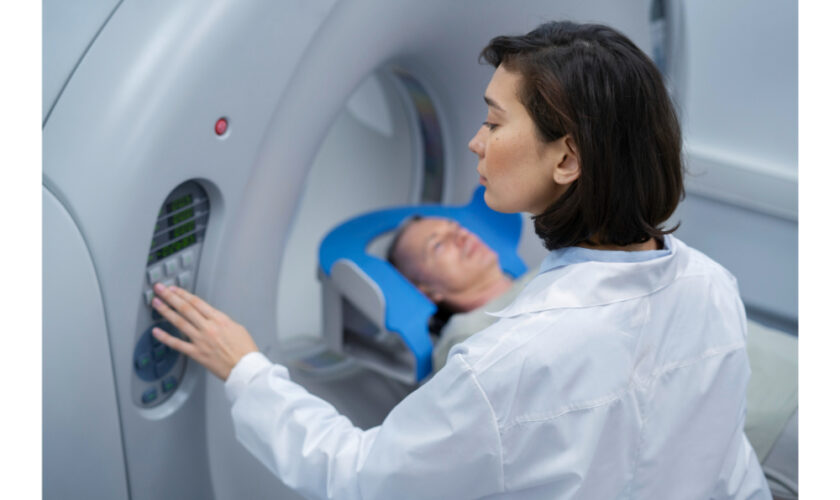
CT (Computed Tomography) and MRI (Magnetic Resonance Imaging) scans have transformed medical diagnostics by offering detailed, non-invasive views of the body’s internal structures. These imaging tools help doctors pinpoint the causes of pain and disease with greater accuracy, enabling more effective treatment plans.

CT scans, also called CAT scans, use X-ray technology to produce cross-sectional images of bones and dense tissues. Ideal for detecting fractures, tumors, and abnormalities, they provide rapid results, making them essential in emergencies.

MRI scans, by contrast, use powerful magnets and radio waves, without radiation, to capture highly detailed images of soft tissues like muscles, ligaments, and the brain. Though typically longer in duration, MRI is crucial for diagnosing complex conditions involving soft tissue.

Common Uses Of CT and MRI in Diagnosing Pain

CT and MRI scans are essential in diagnosing pain by providing detailed images that identify underlying causes. CT scans are often used in emergencies, such as trauma from accidents, to quickly detect fractures, internal bleeding, and organ damage. MRI scans, with their superior soft tissue imaging, are commonly used for chronic pain conditions, such as back pain, to assess intervertebral discs, spinal cord, and soft tissues, helping to identify issues like herniated discs or nerve compression—findings that may guide ongoing care under the supervision of a spine doctor. Both imaging methods are also vital for diagnosing pain related to internal organs. CT scans can detect conditions like kidney stones or appendicitis, causing abdominal pain, while MRIs are crucial for evaluating brain-related pain, including tumors or aneurysms, in neurological cases. By offering precise images, CT and MRI scans enable targeted treatments by uncovering the true source of pain.

The Science Behind Imaging Techniques

CT and MRI scans transform internal body structures into visible images, aiding in accurate diagnosis. CT scans use X-rays from different angles to create detailed images of bones, dense tissues, and organs in motion, making them ideal for emergencies. MRI scans use magnetic fields and radiofrequency to produce precise images of soft tissues, offering customizable imaging for different tissue types.

These technologies have advanced medical science, improving diagnosis and enabling personalized medicine. As technology progresses, CT and MRI scans will continue to enhance our ability to diagnose and treat pain.

How CT Scans Work: A Closer Look

CT scans use X-ray technology and computer processing to create detailed cross-sectional images. The patient lies on a motorized table that slides into a doughnut-shaped machine, where a rotating X-ray tube captures images from various angles, which are then processed into slices or a 3D image.

CT scans are fast, typically taking just a few minutes, with the scan itself lasting under a minute. This speed is crucial in emergencies, such as trauma or acute conditions. Contrast agents can be used to enhance the visibility of blood vessels, organs, and tumors.

While CT scans involve exposure to ionizing radiation, modern technology has reduced radiation levels while maintaining image quality. The decision to use a CT scan is carefully considered to ensure accurate diagnoses, making it a vital diagnostic tool.

The Role Of Imaging In Pain Management

Advanced imaging techniques like CT and MRI scans have significantly improved pain management by providing detailed views that support accurate diagnoses and targeted treatments. In cases of chronic back pain, identifying conditions such as herniated discs allows for care that directly addresses the source of discomfort. When symptoms are complex or hard to pinpoint, musculoskeletal and spinal imaging can offer valuable insight into issues affecting joints, nerves, or spinal structures. These scans also play a quiet yet important role in guiding minimally invasive procedures and surgical planning—CT scans help with spinal injection placement, while MRIs support pre-surgical evaluations. Continued imaging helps track progress over time, enabling timely adjustments to treatment. With these tools, healthcare providers can offer more precise and personalized pain management.

MRI Scans Explained: What To Expect

An MRI scan uses a strong magnetic field to create detailed images of the body. Patients change into a hospital gown, remove metal objects, and lie on a table that slides into the cylindrical machine. Staying still is crucial for clear images.

MRI is non-invasive and doesn’t involve radiation, making it safe for repeated use. However, the machine can be loud, producing thumping and tapping sounds. Earplugs or headphones are provided, and some facilities offer music for added comfort. Scan times usually range from 30 to 60 minutes.

In some cases, a contrast agent is injected to enhance the visibility of certain tissues. While generally safe, patients with implants like pacemakers may not be eligible. MRI is essential for diagnosing soft tissue conditions such as joint injuries or neurological disorders.

Comparing CT and MRI: Which Is Right For You?

Choosing between a CT scan and an MRI depends on the medical issue, the area being examined, and the urgency. CT scans are ideal for emergencies, offering quick images of bones and dense tissues, and are useful for diagnosing fractures, internal bleeding, and certain tumors.

MRI scans are better for evaluating soft tissues and complex structures like the brain, spinal cord, and joints, providing superior detail for conditions such as herniated discs, ligament tears, and brain abnormalities. MRI is also a safer option for repeated imaging, as it doesn’t involve radiation, which is important for children or long-term monitoring.

Ultimately, the choice between CT and MRI depends on the specific diagnosis, and both may sometimes be used together. Consulting a healthcare provider ensures the most appropriate imaging method is selected for the patient’s needs and safety.

Limitations And Risks Of CT and MRI Scans

CT and MRI scans are vital tools in modern medicine, but come with certain limitations and risks. CT scans expose patients to ionizing radiation, which, although reduced in modern technology, can still pose a risk, particularly for vulnerable groups like children and pregnant women. MRI scans, on the other hand, do not use radiation but can be unsafe for individuals with metal implants such as pacemakers, and the confined space of the MRI machine can cause discomfort for those with claustrophobia. Both imaging techniques also have limitations in resolution and specificity, sometimes requiring additional tests to confirm a diagnosis. Furthermore, accurate interpretation of scan results demands expertise to avoid subtle findings being missed or misinterpreted. Despite these challenges, CT and MRI scans remain invaluable tools in diagnosing a wide range of conditions, with continuous technological advancements improving their safety and diagnostic precision.

Advances In Imaging Technology And Their Impact On Diagnosis

Recent advancements in medical imaging have enhanced the capabilities of CT and MRI scans. Higher image resolution allows for detecting smaller structures like tumors and fractures, leading to more accurate diagnoses. Functional MRI (fMRI) now offers insights into brain activity by measuring blood flow, which helps in understanding neurological disorders and brain-related pain, guiding treatment approaches used by specialists in neurological care. Hybrid imaging technologies, such as PET/MRI, combine strengths from different modalities, providing comprehensive diagnostic information.

Artificial intelligence (AI) is also transforming the field by assisting in image interpretation, detecting patterns and anomalies that may be overlooked by humans. This improves diagnostic accuracy and speeds up the process, leading to more efficient and personalized care. As these technologies evolve, they continue to improve pain diagnosis and management, offering better opportunities for early intervention and enhanced patient outcomes.

Conclusion: The Future Of Pain Diagnosis With Imaging Techniques

The future of CT and MRI scans in pain diagnosis and management is promising, with ongoing advancements in technology enhancing precision and personalization. Improved image resolution, functional imaging, and AI integration will lead to more accurate diagnoses and better treatment outcomes. These tools not only help pinpoint pain sources but also provide patients with a clearer understanding of their conditions.

As technology continues to advance, healthcare providers will be able to offer more effective and compassionate care, improving the quality of life for many. In conclusion, CT and MRI scans are revolutionizing pain diagnosis, and with continued progress, they will guide us toward a pain-free future.

read more
Health

How do online specialist referrals work with private health insurance?

Online specialist referrals streamline the traditional healthcare pathway by connecting patients with appropriate specialists through digital platforms while maintaining insurance compliance requirements. Private health insurance policies typically require specific referral protocols to ensure coverage for specialist consultations and subsequent treatments. These digital systems automate much of the administrative burden while preserving the medical oversight for insurance approval. The specialist referral online process integrates directly with insurance verification systems, allowing real-time confirmation of coverage eligibility and required documentation. This integration eliminates many delays associated with traditional paper-based referral systems while ensuring all insurance requirements are met before specialist appointments are scheduled.

Digital pathway coordination

Online referral systems establish secure connections between primary care providers, specialists, and insurance networks to facilitate seamless patient transitions. These platforms verify patient insurance status automatically while matching medical needs with appropriate specialist availability within approved provider networks. The digital coordination reduces administrative overhead while maintaining clinical oversight throughout the referral process. The NextClinic demonstrate how technology can bridge the gap between primary care and specialist services while preserving insurance compliance requirements. These systems track referral status in real time and provide automatic updates to all parties involved in patient care coordination. The automation ensures nothing falls through administrative cracks while maintaining the medical supervision insurance policies require.

Insurance verification process

  • Real-time eligibility checking confirms active coverage and specialist benefit availability before appointments
  • Prior authorization automation submits required documentation directly to insurance reviewers through secure channels
  • Network provider validation ensures chosen specialists participate in patient insurance plans for maximum coverage
  • Benefit calculation tools provide cost estimates, including deductibles, copayments, and coverage limitations
  • Documentation compilation gathers all required medical records and referral justifications in standardized formats
  • Appeal preparation systems organize information for insurance disputes when initial approvals are denied

Timeframe expectations

Insurance-compliant online referrals are typically processed within 24-48 hours for routine specialist appointments, though urgent cases may receive expedited review. The digital submission eliminates postal delays, while automated systems immediately flag incomplete documentation or missing information. Emergency referrals bypass standard review processes but still require proper documentation for insurance billing purposes. Complex referrals requiring prior authorization may extend processing times to 5-10 business days while insurance reviewers evaluate medical necessity. The online systems provide status tracking that informs patients and providers about approval progress. Specialist scheduling often begins immediately after insurance approval confirmation, reducing overall wait times compared to traditional referral methods.

Documentation requirements

Comprehensive medical records form the foundation of successful insurance-approved specialist referrals through online platforms. Primary care providers must document symptom progression, treatment attempts, and medical reasoning that supports specialist consultation necessity. These records undergo automatic formatting to meet specific insurance documentation standards while preserving clinical detail. Digital systems compile patient histories, diagnostic results, and treatment summaries into standardized formats that insurance reviewers expect.

The automation reduces documentation errors while ensuring all required information accompanies referral submissions. Missing documentation triggers automatic alerts that prevent processing delays caused by incomplete submissions. Online platforms also maintain audit trails documenting every step of the referral process for compliance purposes. These records prove insurance requirements were met while providing appeal documentation if coverage disputes arise. The comprehensive tracking protects patients and providers while ensuring transparent communication with insurance networks throughout the specialist referral process.

read more
Health

Beyond The Nose: When ENT and Facial Plastic Surgeons Team Up For Better Breathing

allergy testing and management

Introduction: Why You Might Still Struggle to Breathe After Treating Your Sinuses

Despite undergoing various treatments for sinus issues, you might still find yourself struggling to breathe comfortably. Treatments often focus on alleviating symptoms without addressing underlying structural problems. Chronic sinus issues can persist, leading to discomfort, disrupted sleep, and a reduced quality of life. Understanding why these symptoms linger is the first step toward finding a comprehensive solution.

Many individuals experience persistent breathing difficulties because common treatments may not consider the full extent of nasal obstructions. In some cases, treatments focus solely on the sinus cavities, neglecting other potential contributors like septal deviations or nasal valve collapse. Without addressing these structural anomalies, breathing can remain impaired despite clear sinuses.

The collaboration between ENT specialists and facial plastic surgeons offers a more holistic approach to nasal care. By working together, they can diagnose and treat both the functional and structural aspects of nasal obstruction. This integrated approach ensures that all contributing factors are addressed, leading to more effective and lasting relief.

What Functional Rhinoplasty Actually Means

Functional rhinoplasty goes beyond the aesthetic enhancement of the nose. It focuses on improving nasal function, addressing structural issues that impede airflow. Unlike cosmetic rhinoplasty, which primarily aims to change the nose’s appearance, functional rhinoplasty targets the internal structures that affect breathing.

This surgical procedure can correct various issues such as a deviated septum, enlarged turbinates, and nasal valve collapse. By reshaping these structures, functional rhinoplasty enhances airflow and resolves chronic sinus issues. It’s a specialized procedure that requires careful planning and execution to achieve the desired functional improvements.

Functional rhinoplasty is often a collaborative effort between ENT specialists and facial plastic surgeons. Their combined expertise ensures that both form and function are optimized, resulting in a nose that not only looks good but also works efficiently. This teamwork is essential for achieving the best possible outcomes for patients seeking trusted rhinoplasty care in North Texas and beyond.

The Role of an ENT in Diagnosing the Root of Breathing Problems

ENT specialists play a crucial role in identifying the underlying causes of breathing difficulties. They use a comprehensive approach to evaluate the nasal passages, sinus cavities, and throat to determine the source of obstruction. By assessing these areas, ENTs can provide a precise diagnosis and tailor a treatment plan to your specific needs.

Advanced diagnostic tools, including nasal endoscopy and CT scans, allow ENTs to visualize the internal structures of the nose and sinuses. These tools help identify issues such as polyps, sinus infections, and structural abnormalities. Accurate diagnosis is essential for effective treatment, ensuring that all contributing factors are addressed.

ENTs also evaluate the impact of allergies on nasal function. Allergies can exacerbate sinus issues, leading to chronic inflammation and congestion. Identifying and managing allergies is a critical component of successful treatment, making allergy testing an important step before considering surgery.

How Sinus Imaging Guides the Surgical Plan

Sinus imaging plays a pivotal role in planning surgical interventions for breathing problems. Advanced imaging techniques provide detailed views of the sinus cavities and nasal structures, enabling precise identification of issues. This information is invaluable for formulating a surgical plan that addresses the root causes of nasal obstruction.

CT scans are a common imaging modality used in sinus evaluation. They offer high-resolution images that reveal the anatomy of the sinuses and any abnormalities present. These scans help surgeons understand the extent of structural issues and plan corrective procedures with precision.

The insights gained from sinus imaging allow for a tailored surgical approach. Surgeons can identify specific areas that need intervention, whether it’s correcting a deviated septum, reducing turbinates, or addressing nasal valve collapse. This level of detail ensures that the surgery is both effective and minimally invasive, promoting a smoother recovery process.

The Facial Plastic Surgeon’s Expertise: Form, Function, and Facial Balance

Facial plastic surgeons bring a unique set of skills to the table, focusing on the aesthetics and structural harmony of the face. Their expertise ensures that any functional improvements to the nose are complemented by a balanced and natural appearance. This dual focus on form and function is essential for achieving optimal results in rhinoplasty.

These surgeons are adept at reshaping the nose while maintaining its structural integrity. They consider factors such as nasal symmetry, proportion, and the overall balance of facial features. By addressing both the functional and cosmetic aspects, facial plastic surgeons help enhance both breathing and appearance.

Collaboration with ENT specialists allows facial plastic surgeons to integrate functional improvements with aesthetic goals. This partnership ensures that the surgical outcomes meet your expectations, providing both relief from breathing difficulties and satisfaction with your appearance. This collaborative approach delivers comprehensive nasal care.

When Balloon Sinuplasty Isn’t Enough: Next Steps

Balloon sinuplasty is a minimally invasive procedure used to treat chronic sinus issues. It involves inserting a small balloon into the sinus passages and inflating it to widen the openings. While effective for many, balloon sinuplasty may not address all underlying structural issues, necessitating further intervention.

In cases where balloon sinuplasty is insufficient, additional surgical options may be considered. Functional rhinoplasty, which addresses structural abnormalities in the nose, can provide a more comprehensive solution. This procedure can correct issues like deviated septums and nasal valve collapse that balloon sinuplasty alone cannot fully resolve.

If you continue to experience breathing difficulties after balloon sinuplasty, it’s essential to consult with both an ENT specialist and a facial plastic surgeon. Together, they can assess your condition and recommend the most appropriate next steps. This collaborative care ensures that all aspects of your nasal health are considered, leading to better breathing and improved quality of life.

Is Allergy Testing Still Important Before Surgery? Yes—Here’s Why

Before undergoing any nasal surgery, allergy testing remains a crucial step. Allergies can significantly impact nasal function, contributing to inflammation, congestion, and chronic sinus issues. Identifying and managing allergies can enhance the effectiveness of surgical interventions and improve overall outcomes.

Allergy testing provides valuable insights into the specific triggers that affect your nasal health. By understanding these triggers, you and your healthcare team can develop a comprehensive treatment plan that includes both surgical and non-surgical strategies. This approach ensures that all factors contributing to your nasal obstruction are addressed.

Incorporating allergy management into your treatment plan can also aid in post-surgical recovery. Reducing allergic reactions and inflammation can promote healing and prevent complications. By considering allergies as part of the pre-surgical evaluation, you set the stage for a more successful and lasting resolution of your breathing difficulties.

Recovery Expectations: What to Know After Functional Rhinoplasty

Recovering from functional rhinoplasty requires patience and adherence to post-operative care instructions. Understanding what to expect during the recovery process can help you prepare and manage your expectations. While individual recovery experiences vary, there are common elements that most patients encounter.

Initial recovery typically involves swelling, bruising, and some discomfort around the nose and eyes. Your surgeon will provide detailed instructions on managing these symptoms, which may include the use of cold compresses and prescribed medications. It’s important to follow these guidelines to promote healing and reduce swelling.

As the healing process progresses, you’ll gradually notice improvements in your breathing. However, full recovery can take several weeks to months, during which time you’ll have follow-up appointments with your surgeons. These visits allow your medical team to monitor your progress and make any necessary adjustments to ensure optimal outcomes.

Breathing Better—and Smarter: The Future of Collaborative Nasal Care

The journey to better breathing involves more than just treating symptoms; it requires a comprehensive approach that addresses both functional and structural issues. By combining the expertise of ENT specialists and facial plastic surgeons, you can achieve lasting relief from chronic nasal obstruction and sinus issues.

Collaborative nasal care ensures that all aspects of your condition are considered, from sinus imaging and allergy testing and management to functional rhinoplasty. This integrated approach not only improves your breathing but also enhances your overall quality of life. This model of care offers a promising path to better health.

If you continue to experience nasal obstruction despite previous treatments, consider exploring the benefits of collaborative care between ENT specialists and facial plastic surgeons. This comprehensive approach, guided by advanced sinus imaging and functional rhinoplasty, can address both chronic sinus issues and structural concerns. By taking action today, you can look forward to breathing better and living smarter. Contact a trusted team of ENT and facial plastic surgeons to discuss your options and embark on a journey toward improved nasal health.

read more
Health

When The Pelvic Floor And Spine Collide: Understanding Incontinence After Back Surgery

Back Surgery

The pelvic floor and spine are deeply interconnected, working together to support posture, mobility, and essential functions like bladder and bowel control. This connection becomes especially important when recovering from back surgery, which can restore movement but may also disrupt nerve coordination, leading to incontinence. This condition—loss of bladder or bowel control—can significantly impact quality of life. Understanding the link between spinal and pelvic floor health is key to managing such challenges. This article offers insight into how back surgery can affect continence and shares practical strategies for prevention and recovery, helping patients and caregivers navigate post-surgical care with confidence.

Understanding The Pelvic Floor: Function And Importance

The pelvic floor is a group of muscles and tissues forming a supportive hammock at the base of the pelvis. It plays a vital role in supporting pelvic organs like the bladder, intestines, and uterus (in females) and is essential for maintaining urinary and fecal continence. Beyond continence, the pelvic floor contributes to sexual health and works with the core muscles—like the diaphragm and abdominals—to support posture and stability. This coordination helps regulate internal pressure and movement. A strong, functional pelvic floor is key to overall well-being. Weakness or dysfunction in these muscles can lead to incontinence, pelvic organ prolapse, or chronic pain. Understanding its role highlights how spinal health and surgery may impact pelvic function.

Orthopedic Spine Care: Preventing And Managing Incontinence

Orthopedic spine care plays a crucial role in both preventing and managing incontinence following back surgery. This specialized field focuses on preserving spinal health while minimizing the impact of surgery on pelvic floor function. A well-rounded orthopedic approach includes pre-operative and post-operative strategies to support continence and overall recovery. Pre-surgical preparation often involves targeted exercises to strengthen the pelvic floor and core muscles, creating a solid foundation for healing. Working with a physical therapist specializing in pelvic health can provide personalized guidance to enhance muscle tone and function. Post-surgical rehabilitation is equally important, incorporating physical therapy that supports both spinal and pelvic floor recovery to restore mobility and control. Ongoing monitoring and adjustment through regular follow-up appointments with your orthopedic specialist ensure that recovery stays on track and that any continence issues are promptly addressed. This proactive, multidisciplinary care model is essential for achieving the best possible outcomes after spine surgery.

The Spine’s Role In Overall Health

The spine is the body’s central support structure, made up of vertebrae, discs, nerves, and muscles that enable movement and transmit neural signals between the brain and body. Its health is essential for balance, coordination, and overall function. Spinal alignment directly affects pelvic floor performance; conditions like herniated discs or spinal stenosis can disrupt nerve signals, leading to pelvic floor dysfunction. This connection is especially important when considering spinal surgery, as interventions may impact more than just the surgical site. Sacral nerves, which control bladder and bowel function, originate from the spine. Surgical disruption of these neural pathways can affect continence, highlighting the need for a comprehensive recovery approach that considers both spinal and pelvic floor health.

How Back Surgery Can Impact The Pelvic Floor

Back surgery, while often necessary, can inadvertently affect the pelvic floor. Surgical changes to spinal structures may impact nerves that control pelvic floor muscles, potentially leading to weakness and incontinence. Nerve damage or altered signaling can disrupt communication between the brain and pelvic floor, causing involuntary contractions or reduced control. Post-surgical stress and shifts in body mechanics may further contribute to dysfunction. Understanding these effects is crucial for planning effective prevention and recovery strategies. With a proactive approach, patients can better manage pelvic floor challenges, reduce the risk of incontinence, and support a smoother post-surgical recovery.

Common Types Of Incontinence After Back Surgery

Incontinence following back surgery is a concern that can significantly affect a person’s quality of life. It may present in different forms, each requiring a distinct approach to management. Tailoring treatment begins with accurately identifying the type of incontinence, as this allows for more effective and individualized care strategies.

According to continence care specialists at the Northwest Continence Center (https://nwcontinence.com/), the most common types of incontinence include stress incontinence, urge incontinence, overflow incontinence, and functional incontinence. Stress incontinence occurs during physical exertion such as coughing, sneezing, or lifting, and is typically the result of weakened pelvic floor muscles that no longer provide adequate support to the bladder. Urge incontinence involves a sudden, overwhelming need to urinate followed by involuntary leakage, often linked to nerve damage that interferes with communication between the brain and bladder. Overflow incontinence is characterized by frequent dribbling and a sense of incomplete bladder emptying, usually related to impaired sensation or poor muscle coordination caused by disrupted nerve signals. Functional incontinence, while not directly tied to bladder dysfunction, develops when physical limitations or cognitive challenges prevent someone from reaching the restroom in time—a complication not uncommon during post-surgical recovery.

Understanding these distinctions is key to managing incontinence effectively. With the right approach, patients can regain control and improve their comfort and confidence during the recovery process.

Rehabilitation And Physical Therapy For Pelvic Floor Health

Rehabilitation and physical therapy play a key role in restoring pelvic floor health after back surgery. Tailored exercise programs designed by pelvic health physical therapists help strengthen and coordinate affected muscles. Education on pelvic floor mechanics and proper body posture empowers active participation in recovery and helps prevent further strain. Advanced tools like biofeedback devices provide real-time insight into muscle activity, enhancing exercise precision and improving outcomes. Together, these strategies support a well-rounded and effective rehabilitation process.

Expert Tips For Maintaining Continence After Back Surgery

Maintaining continence after back surgery requires a proactive, informed approach. Prioritize pelvic floor exercises like Kegels to strengthen muscles and improve control. Adopt healthy habits—stay active, eat well, and manage stress—to support pelvic function. Stay informed about new research and treatments; knowledge empowers recovery. Seek professional guidance from pelvic health specialists or urologists for tailored care. Lastly, connect with support networks—whether in-person or online—to share experiences, gain encouragement, and find reassurance. Together, these strategies foster better outcomes and greater confidence during your post-surgical recovery journey.

Continence Care Strategies Post-Back Surgery

Implementing effective continence care strategies after back surgery is crucial for preserving both physical function and emotional well-being. Lifestyle modifications, such as maintaining a healthy weight, limiting bladder irritants like caffeine and alcohol, and staying adequately hydrated, help support bladder health. Techniques like scheduled voiding and bladder training can further improve control. Pelvic floor physical therapy is a key part of rehabilitation, and many therapy programs, including those offered at facilities such as Kimball Health Services, incorporate methods like biofeedback and electrical stimulation to improve neuromuscular coordination. Equally important are support systems—joining support groups or seeking counseling can provide encouragement, shared experiences, and coping strategies, fostering a more holistic recovery and improved quality of life.

When To Seek Professional Help

Recognizing when to seek professional help is key to managing incontinence after back surgery. Consult your healthcare team if you experience persistent leakage, sudden changes in bladder or bowel habits, pelvic pain, or emotional distress. Pelvic health specialists offer targeted therapies, while urologists and gastroenterologists address urinary or bowel issues. An orthopedic surgeon familiar with your surgery can assess spinal impacts on pelvic function and coordinate multidisciplinary care to support your recovery and improve your quality of life.

Conclusion: Navigating Health After Back Surgery

Navigating health after back surgery involves understanding the complex interplay between your spine and pelvic floor. By recognizing potential challenges and being proactive in your approach, you can effectively manage incontinence and support your overall recovery.

Explore how back injuries and surgeries can contribute to bladder or bowel control issues—and how to manage both. By embracing a holistic approach that includes orthopedic spine care, continence care strategies, and rehabilitation, you can achieve a successful recovery and maintain a high quality of life.

Your journey may have its challenges, but with the right knowledge and support, you can navigate this path confidently. Remember that seeking professional guidance and utilizing available resources are key steps in ensuring a positive outcome. Take charge of your health today and embrace the possibilities of a healthier tomorrow.

read more
Health

Innovative Uses of Dispense Valves in the Pharmaceutical Industry

Dispense Valves

The pharmaceutical industry constantly evolves, continuously demanding precision, efficiency, and safety. One of the critical components driving innovation in this sector is the dispense valve. These devices have become indispensable in various pharmaceutical applications, enabling precise control over dispensing fluids, powders, and other materials. Below are some of the most innovative uses of dispense valves transforming pharmaceutical manufacturing and research.

Precision Dosing in Drug Manufacturing

In drug manufacturing, accuracy is paramount. Dispense valves are crucial in ensuring that the exact amount of liquid or powder is dispensed during production. This precision is essential for maintaining the correct dosage in pharmaceutical products, directly impacting their efficacy and safety. Modern dispensing valves are designed to handle minute quantities with high accuracy, making them ideal for use in large-scale manufacturing and small-batch production. These valves contribute to both cost efficiency and product quality by minimising waste and reducing the risk of contamination.

Automated Filling and Capping Processes

Automation is at the heart of modern pharmaceutical manufacturing. Dispensing valves are integral to automated filling and capping processes, ensuring that containers are filled with the required volume of liquid or powder. These valves are designed to work seamlessly with automated machinery, providing the speed and reliability needed to meet the high demands of pharmaceutical production. Automating these processes improves efficiency and enhances the consistency and quality of the final product, which is critical in the pharmaceutical industry.

Contamination Control in Aseptic Processing

Dispense Valves

Aseptic processing is essential in the production of sterile pharmaceutical products. Dispense valves are specifically engineered to operate in environments where contamination must be kept to an absolute minimum. These valves are often used to dispense sterile liquids and powders, where their precise operation helps maintain the integrity of the product. Advanced materials and designs ensure that the valves do not introduce any contaminants, making them vital components in aseptic processing lines. This ensures that pharmaceutical products meet the stringent standards required for sterility.

Controlled Dispensing in Drug Delivery Systems

Innovative drug delivery systems, such as inhalers, injectors, and transdermal patches, require precise control over the amount of medication delivered to the patient. Dispense valves are vital in these systems, ensuring that the correct dosage is administered with each use. This level of control is fundamental in treatments where dosage accuracy is critical to the effectiveness and safety of the medication. Dispensing valves used in these applications are designed to be reliable and consistent, providing patients with the assurance that they are receiving the correct dose each time.

Microdispensing in Laboratory Research

In pharmaceutical research and development, the ability to dispense tiny volumes of liquid or powder is often required. Dispense valves are utilised in microdispensing applications, where they can accurately dispense nanolitres or even picolitres of material. This capability is essential in tasks such as assay development, where precise quantities of reagents must be added to reaction vessels. Microdispensing valves enable researchers to perform high-throughput screening and other advanced techniques with high precision, leading to more reliable results and faster development of new drugs.

Bulk Dispensing for Large-Scale Production

While precision is essential, there are also many applications in pharmaceutical manufacturing where bulk dispensing is required. Dispense valves are designed to handle the large volumes of materials involved in these processes, such as filling large containers with solvents, excipients, or other raw materials. These valves are engineered to provide reliable performance over extended periods, ensuring that production lines can operate continuously. The robust design of bulk dispensing valves allows them to handle a wide range of materials, including highly viscous or abrasive substances, making them versatile tools in pharmaceutical manufacturing.

Customised Formulation Dispensing

In some pharmaceutical applications, customised formulations, such as specific combinations of active ingredients, need to be dispensed. Dispense valves accurately measure and dispense these formulations, ensuring that the correct ratios of ingredients are maintained. This is particularly important in producing personalised medicines; each dose must be tailored to a patient’s needs. Dispensing valves provide the flexibility and precision required to handle these complex formulations, making them essential tools in modern pharmaceutical manufacturing.

For more information, contact Unicontrols today.

read more
Health

Shockwave Therapy and Prostate Health – What Every Man Should Know?

Prostate health remains essential for male wellness throughout life. Modern medical innovations now bring advanced therapeutic options that support prostate function while addressing related concerns. These non-invasive treatments revolutionize traditional approaches by working with natural bodily processes to promote healing and maintain urinary health.

Advanced therapeutic technology

Acoustic wave therapy introduces precise energy pulses into prostate tissue, stimulating cellular repair mechanisms and improving blood circulation. This innovative approach strengthens existing blood vessels while promoting new vessel formation. Men receiving treatment from Shockwave for ED report improved urinary function and decreased discomfort during daily activities.

Tissue regeneration processes

Specialized pulses penetrate deeply into prostate tissue, activating natural healing responses that reduce inflammation and support healthy function. The regenerative effects continue to develop between sessions as cells respond to therapeutic stimulation. Regular treatments maintain these positive changes while preventing regression. This gradual strengthening creates lasting benefits without ongoing medication.

Circulation improvements

Healthy blood flow is vital in prostate function and overall male wellness. Acoustic wave treatments strengthen existing vessels while stimulating new vessel development throughout the treated area. This dual approach optimizes oxygen delivery to tissues while removing cellular waste products efficiently. Improved circulation helps maintain prostate size and reduces pressure on surrounding structures.

Muscular health benefits

Pelvic floor muscles significantly influence prostate and urinary function. Regular movement combined with proper breathing patterns strengthens these critical muscle groups. Simple exercises performed daily build foundational strength without creating strain. Strong pelvic muscles provide better support for the prostate and bladder while improving overall function.

Dietary influences on prostate wellness

Nutritional choices directly affect prostate health and function. Mediterranean eating patterns show particular benefits:

  • Abundant vegetables and fruits
  • Omega-3 rich fish selections
  • Extra virgin olive oil
  • Nuts and seeds
  • Whole grains
  • Lean proteins

Daily movement patterns

Exercise improves blood flow in the pelvic region while maintaining muscle strength. Walking, swimming, or cycling provide gentle movement without strain. In addition to keeping a healthy weight, these activities can help reduce prostate pressure. Consistent and moderate exercise supports prostate function.

Temperature regulation practices

Avoiding excessive heat exposure maintains prostate function. Loose-fitting clothing allows better airflow and temperature regulation. Taking breaks from prolonged sitting prevents heat buildup in the pelvic area. These simple adjustments improve comfort.

Natural wellness practices

Plant-based compounds found in certain foods help maintain prostate health naturally. Including these foods regularly supports overall wellness. Traditional herbs combined with modern treatments create comprehensive improvements. These natural approaches complement medical therapies effectively.

Posture awareness benefits

Proper sitting and standing positions reduce pressure on the prostate and surrounding structures. Simple posture adjustments distribute weight more evenly throughout the pelvic floor. Regular movement breaks prevent prolonged compression. These fundamental changes improve daily comfort.

Breathing pattern optimization

Diaphragmatic breathing reduces pelvic tension while improving circulation. Regular practice strengthens the connection between breathing and the pelvic floor muscles. This coordination helps maintain proper muscle tone without strain. Breathing exercises also reduce stress, which affects prostate function.

Combining treatments with positive lifestyle choices improves prostate health. Shockwave for ED Clinic Fort Worth helps men maintain comfort and function through daily wellness practices. This multifaceted approach addresses immediate concerns and builds lasting solutions for continued prostate health.

read more
1 2 3 6
Page 1 of 6