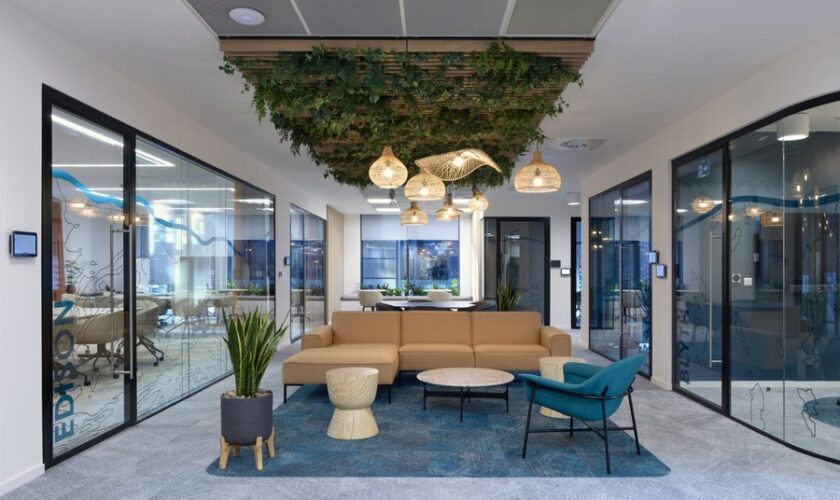
Modern offices continue to evolve with fresh and inspiring designs. Workplaces are no longer limited by heavy walls and rigid boundaries. Every element now serves both function and beauty within professional spaces. Designers look for ways to bring energy and openness to interiors. The use of light and clarity creates a modern and inviting atmosphere.
A Contemporary Take on Workplace Design
Earlier workplaces were closed with thick walls and small sections. These layouts restricted collaboration and blocked natural brightness from spreading freely. A sense of disconnection often grew within such enclosed rooms. Modern design aims to break away from these limiting structures. Open plans allow interaction and energy to flow across spaces. Workers feel less restricted when barriers feel light and transparent. A contemporary workplace values both openness and personal focus. Designers achieve this balance by replacing walls with clear partitions. Long layouts that combine clarity with privacy now define professional environments.
Transparency that Encourages Collaboration
Workplaces succeed when individuals share ideas openly across zones. Transparent panels help people remain connected while working in separate rooms. A clear divider keeps sound low while still promoting interaction. Natural visibility across sections creates a sense of unity within the office. Teams can see progress and stay motivated without direct interruption. Collaboration feels easier when every section remains visible within the same field. Workers sense energy from colleagues while focusing on their own tasks. Long sessions behind glass walls still feel connected to outside activities. The office atmosphere stays lively without overwhelming noise or distraction. Transparency supports a balance between connection and concentration across all areas.
Style that Defines Professional Sophistication
A workplace must look professional to inspire confidence and ambition. Clean lines and polished partitions deliver a refined and modern identity. Clear panels reflect natural light and create a prestigious visual impression. Furniture gains presence when surrounded by brightness that flows through every corner. Clients enter and feel welcomed by the elegance of transparent boundaries. The aesthetic is simple yet powerful in its professional statement. A glass office reflects forward thinking and modern sophistication in daily practice. Visitors sense trust and credibility through the clarity of such interiors. Employees also feel motivated when working within visually elevated environments. Sophistication is expressed through light and openness rather than excess decoration.
Brightness that Enhances Wellbeing
Light plays a vital role in human productivity and mental balance. Workers perform better when surrounded by natural brightness and fresh air. Clear partitions guide sunlight deep into sections that usually remain dark. This reduces strain and creates a balanced rhythm during long working hours. Brightness helps individuals maintain energy throughout the day with comfort and ease. Stress levels decrease when sunlight is allowed to define the workplace atmosphere. A brighter space encourages positive moods that directly support better performance.
The Lasting Impact of Modern Transparency
Design defines the mood and culture of every professional setting. A workplace shaped by light encourages openness and a sense of trust. Clear divisions offer privacy yet maintain unity among every group or section. Transparent design creates balance between individual concentration and team collaboration. The use of glass continues to define timeless workplace aesthetics. Light travels freely across areas and adds a sense of refinement. The environment looks modern while still remaining highly functional for daily needs. Visitors sense professionalism while workers feel inspired by surroundings that reflect ambition. A transparent environment shapes culture that values clarity communication and innovation. The future of workplace design will always embrace openness and adaptability.