close

funeral etiquette

Business

Common Traditions Seen During a Taoist Funeral in Singapore

Key Highlights

  • Taoist funerals include symbolic rituals that reflect respect for ancestors and family ties.
  • Mourning colours and ceremonial clothing carry traditional cultural meaning.
  • Chanting sessions and offerings form a central part of Taoist funeral customs.
  • Funeral processions and altar arrangements follow long-standing practices in Singapore.

Introduction

Traditional funeral customs continue to shape the way families honour loved ones across different communities in Singapore. Rituals seen during a Taoist funeral often reflect beliefs tied to ancestry, remembrance, and spiritual guidance. Families arranging a Taoist funeral package in Singapore usually prepare several ceremonial elements that take place over multiple days, depending on religious practices and family preferences.

Ceremonial details can vary across dialect groups and temples, although several traditions remain widely recognised. Visitors attending funeral services in Singapore connected to Taoist practices may notice symbolic decorations, prayer offerings, chanting sessions, and specific mourning attire worn by family members throughout the wake and burial proceedings.

Altar Arrangements and Prayer Offerings

Meticulous preparation of an altar dedicated to the deceased begins the traditional wake. Photographs, candles, and food offerings are arranged carefully to create a respectful memorial space. Family members light incense while visitors pay their respects.

Priests conduct chanting ceremonies at scheduled intervals to guide prayers connected to solemn religious rites. Rhythmic chanting creates a deeply ceremonial atmosphere during the wake. Bereaved families often seek out reliable funeral services in Singapore.

Coordinating a Taoist funeral package in Singapore requires careful attention to established ancestral customs. Guests often notice how symbolic details contribute to the overall ceremony. Decorative paper items and ceremonial banners perfectly maintain cultural continuity across generations.

Mourning Clothes and Symbolic Colours

Clothing worn during Taoist funeral ceremonies follows traditional mourning customs linked to family relationships. Immediate relatives usually wear plain and subdued colours throughout the mourning period. White remains one of the most recognised mourning colours connected to Chinese funeral traditions, while darker shades may appear during later stages of the proceedings.

Different coloured patches or fabric strips can sometimes identify family hierarchy and relation to the deceased. Headbands and armbands may also form part of the mourning attire worn during prayers and funeral processions. Visitors generally avoid bright colours or heavily patterned outfits when attending funeral services in Singapore connected to Taoist customs.

Families preparing a Taoist funeral package in Singapore often receive guidance regarding suitable ceremonial clothing and dress etiquette for guests. Traditional practices surrounding mourning attire continue to remain visible across wakes held at void decks, funeral halls, and private residences. Respectful clothing choices help maintain the solemn tone associated with funeral ceremonies while honouring longstanding cultural traditions.

Chanting Ceremonies and Ritual Practices

Comprehensive funeral services in Singapore often feature highly recognised prayer rituals and chanting ceremonies. Priests conduct specific sessions believed to guide blessings carefully during complex religious proceedings. Ceremonial recitations take place several times throughout the wake depending on arrangements.

Paper offerings play a visible role during the ceremonies. Families burn symbolic items representing daily necessities while participating in coordinated prayers. Ritual cleansing practices performed beforehand prepare relatives for the spiritual journey ahead.

Incense burning accompanies religious rituals to provide spiritual guidance throughout the wake. Relatives accommodate complex prayer schedules and final burial rites appropriately by securing a complete Taoist funeral package in Singapore.

Funeral Processions and Final Farewells

Relatives accompany the hearse during the final journey toward the burial ground. Priests continue chanting prayers during the procession while solemn music accompanies the proceedings. Photographs and incense offerings are commonly carried by relatives walking alongside the vehicle.

Certain traditions involve symbolic gestures performed carefully before the casket leaves the venue. Logistical details involving transportation and a Taoist funeral package in Singapore require careful coordination. Immediate relatives gather for final prayers before departure begins, marking an important transitional phase.

Traditional practices preserve meaningful cultural customs connected deeply to ongoing family remembrance across different venues. Families easily accommodate complex religious rituals through professional funeral services in Singapore.

Conclusion

Taoist funeral customs continue to reflect traditions centred on respect, remembrance, and ceremonial prayer. Rituals connected to altar offerings, mourning attire, chanting sessions, and funeral processions remain deeply tied to cultural practices observed across generations in Singapore. Families preparing funeral arrangements often rely on structured ceremonies to honour loved ones while preserving meaningful traditions during the farewell period.

Contact Casket Fairprice for assistance with respectful funeral planning and ceremonial arrangements in Singapore.
read more
Shopping

4 Key Differences Between Types of Sympathy Flower Arrangements

Key Highlights

  • The delivery location-either the funeral wake or the family home-dictates the style of the floral arrangement.
  • Colour palettes for sympathy flowers should focus on calming whites and soft pastels to maintain a respectful tone.
  • The relationship between the sender and the deceased often determines whether a formal stand or a personal bouquet is more appropriate.
  • The longevity of the flowers is crucial, as arrangements are often kept for several days during a traditional wake.

Introduction

When someone passes away, sending flowers is a time-honoured way to express your condolences and let the bereaved family know they are in your thoughts. However, “sympathy flowers” is a broad term that encompasses many different styles and purposes. In a multicultural society, choosing the right condolence flowers in Singapore requires an understanding of etiquette and cultural expectations. Sending the wrong type of arrangement or delivering it at the wrong time can occasionally cause unintended awkwardness during a sensitive period.

Whether you are looking for a sympathy flower delivery for a colleague, a friend, or a distant relative, it is helpful to know the nuances of different floral tributes. From the massive, formal stands seen at funeral parlours to the small, comforting bouquets sent to private residences, each serves a distinct role in the mourning process.

1. Destination and Setting of the Delivery

The most significant difference between sympathy arrangements is where they are meant to be displayed. Condolence flowers in Singapore are often categorised based on whether they go to the “wake” or the “home.” A wake is a public or semi-public event held at a funeral parlour, a void deck, or a place of worship. Arrangements for this setting are designed to be seen by many people and are usually large and formal, such as floral stands or wreaths. They are intended to honour the deceased publicly.

Conversely, a sympathy flower delivery to a private home is meant for the family’s eyes only. These arrangements are typically smaller and designed to fit on a side table or a mantelpiece. The purpose here is to provide a sense of peace and beauty within the family’s personal living space. Home-bound arrangements are usually sent after the funeral has concluded, as a way to show continued support during the quiet, difficult weeks that follow the official mourning period.

2. Formal Versus Informal Structures

Another major difference lies in the structure and presentation of the flowers. Formal arrangements, like the funeral stand, are built for height and visibility. They use sturdy frames and tripods to ensure they can stand independently in a large hall. These are “monumental” in style, designed to be part of a larger display of tributes surrounding the casket. They often feature large, bold flowers like lilies and gerberas that can hold their own in a cavernous space.

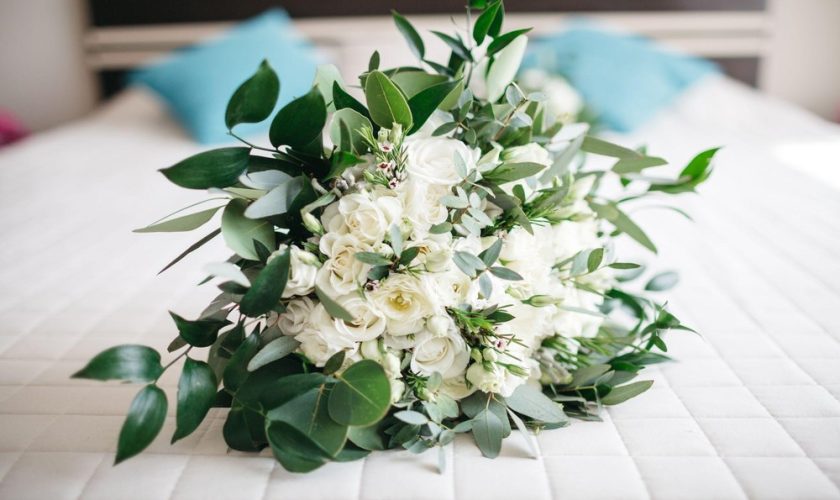
Informal arrangements, such as a hand-tied bouquet or a vase arrangement, are much more flexible and “living” in their feel. These are the typical choices for a more intimate sympathy flower delivery. They feel less like a “monument” and more like a “gift.” Because they are placed in a home environment, they can incorporate more delicate and fragrant blooms that wouldn’t survive the more exposed conditions of a public wake. The informal structure suggests a closeness and a personal bond between the sender and the grieving family.

3. Cultural and Symbolic Colour Palettes

While you can technically send any colour of flower, sympathy and condolence flowers in Singapore traditionally adhere to a specific colour palette. For formal funeral services, white is the most common colour as it symbolises purity, peace, and reverence. In Chinese culture, white and yellow are the traditional colours of mourning, while bright reds are strictly avoided as they represent celebration and joy. A formal stand will almost always stick to this sober, respectful palette.

However, for a sympathy flower delivery to a family home, there is a bit more room for variation. While white remains a safe and elegant choice, you might also include soft pastels like lavender, pale pink, or light blue. These colours are meant to be uplifting and soothing rather than strictly “mournful.” They provide a gentle touch of colour that can help brighten a heavy atmosphere without being disrespectful. The choice of colour is a subtle way to communicate whether you are honouring the “event” of the funeral or the “person” who is grieving.

4. The Role of the Message and Branding

The way the sender is identified also differs between these arrangements. On a formal funeral stand, the sender’s name is usually printed on a large, prominent banner or a board attached to the arrangement. This is important in a professional or corporate context, as it allows the family to see which organisations or large groups have sent their regards at a glance. It is a public acknowledgement of a relationship or a partnership.

In contrast, a personal sympathy flower delivery is accompanied by a small, private message card. This card is usually tucked into the bouquet and is meant to be read privately by the recipient. The message is typically much more detailed and personal than the brief “With Deepest Sympathy” found on a funeral banner.

Conclusion

Navigating the world of funeral and sympathy etiquette can be daunting, but the core principle is always respect. By understanding the differences between destination, structure, colour, and messaging, you can choose condolence flowers in Singapore that perfectly fit the occasion. Whether you decide on a formal stand for a public wake or a gentle sympathy flower delivery for a friend’s home, your gesture will provide a meaningful source of comfort. In the silence of grief, the beauty of flowers speaks volumes about the bonds of community and the endurance of memory.

Contact us at JM Flower to find the most appropriate sympathy arrangement, and let us help you deliver a message of comfort with care and professionalism.

read more