




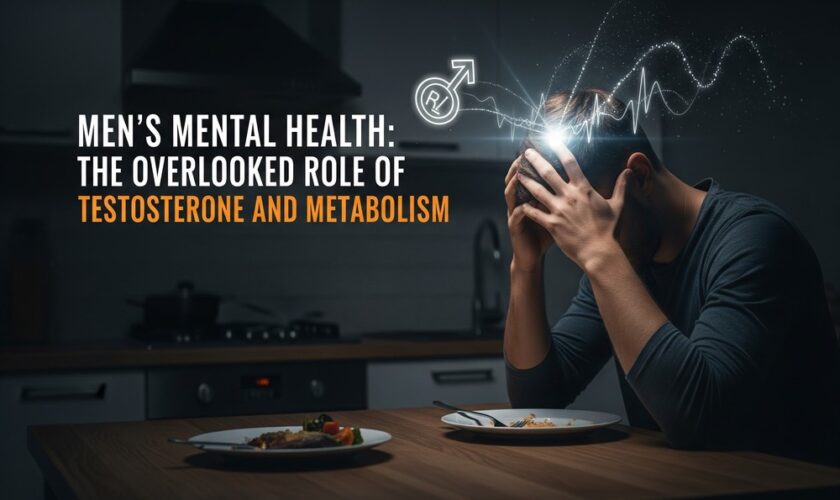
Mental health conversations have expanded significantly in recent years, yet men’s emotional well-being remains one of the most underrecognized and undertreated areas of healthcare. Many men experiencing irritability, low motivation, anxiety, or depressive symptoms are encouraged to focus solely on stress management or psychotherapy-important tools, but not always the complete picture. Emerging research and clinical experience increasingly show that hormonal balance and metabolic health play a meaningful role in male mental and emotional resilience.
Testosterone, insulin sensitivity, thyroid function, sleep quality, and inflammation all influence brain chemistry, energy regulation, and emotional stability. When these systems are disrupted, mood changes may appear gradually and be misattributed to personality, aging, or external stress alone. Understanding how hormones and metabolism intersect with mental health allows for a more comprehensive approach-one that validates men’s lived experiences and expands pathways to support.
Why Men’s Mental Health Is Often Missed
Men are statistically less likely to seek mental health care, and when they do, symptoms may present differently than traditional diagnostic frameworks expect. Rather than expressing sadness, men may report irritability, emotional numbness, restlessness, or a sense of disengagement. These patterns can delay recognition of underlying mental health concerns.
Cultural expectations around stoicism and self-reliance also contribute to underreporting. Many men are taught to tolerate discomfort rather than explore its origins, leading to years of untreated emotional strain. When mental health support is pursued, the focus is often limited to talk therapy or medication without a deeper evaluation of physiological contributors.
This gap highlights the importance of broader assessments. Emotional well-being does not exist in isolation from the body. Hormonal shifts, metabolic dysfunction, and chronic stress can all influence how emotions are processed and regulated.
Testosterone and Emotional Regulation
Testosterone is commonly associated with muscle mass and sexual function, but its influence on the brain is equally significant. It plays a role in neurotransmitter activity, particularly dopamine and serotonin pathways that affect motivation, mood, and reward processing. When testosterone levels decline, men may experience fatigue, low drive, irritability, or depressive symptoms.
Low testosterone does not always present dramatically. Subtle changes-difficulty concentrating, decreased confidence, or reduced enjoyment of activities-can accumulate over time. These experiences are often dismissed as normal aging, even when they meaningfully impact quality of life.
In clinical settings focused on hormonal balance, such as those offering TRT therapy through providers like Lions OpTimal Health, evaluation often includes not just hormone levels but symptom patterns and overall health context. This approach recognizes that emotional changes may be early indicators of physiological imbalance rather than isolated mental health concerns.
Metabolism, Energy, and Mood
Metabolic health is deeply intertwined with mental well-being. Insulin resistance, obesity, and chronic inflammation affect energy availability to the brain and alter stress hormone signaling. Men with metabolic dysfunction may feel persistently tired, mentally foggy, or emotionally reactive, even when sleep and lifestyle habits appear adequate.
Blood sugar fluctuations can contribute to mood swings, anxiety, and difficulty managing stress. Over time, these patterns strain the nervous system and increase vulnerability to depression. Importantly, metabolic changes can also suppress testosterone production, creating a reinforcing cycle between hormonal decline and emotional distress.
Recognizing metabolic health as a mental health factor expands the scope of care. Addressing nutrition, physical activity, and metabolic markers can improve not only physical outcomes but emotional stability as well.
Stress Hormones and Emotional Burnout
Chronic stress elevates cortisol, the body’s primary stress hormone. While cortisol is essential for survival, prolonged elevation disrupts sleep, impairs immune function, and interferes with testosterone production. Over time, this imbalance contributes to emotional burnout and reduced stress tolerance.
Men under sustained work, financial, or caregiving stress may normalize high-stress states, unaware of their cumulative physiological impact. Emotional numbness, irritability, or detachment can emerge as protective responses rather than signs of weakness.
Understanding stress as a hormonal process rather than purely psychological reframes emotional exhaustion. It encourages interventions that address both external pressures and internal physiological regulation.
The Role of Comprehensive Hormone Evaluation
Mental health symptoms alone rarely point to a single cause. Comprehensive evaluation allows clinicians to assess testosterone levels, metabolic markers, thyroid function, and inflammatory indicators alongside emotional symptoms. This integrated perspective reduces the likelihood of overlooking treatable contributors.
Men’s hormone diagnostics, such as those used in specialized settings like EveresT Men’s Health, often examine patterns rather than isolated lab values. Testosterone that falls within a “normal” range may still be insufficient for a particular individual’s neurological and emotional needs.
When hormone imbalances are identified, treatment decisions are made cautiously and in context. The goal is not to override the body’s systems, but to restore balance in ways that support both mental clarity and physical health.
Psychological Support Remains Essential
While hormones and metabolism matter, mental health care is not replaced by physiological intervention-it is enhanced by it. Counseling and therapy remain critical tools for processing emotions, developing coping strategies, and addressing relational or cognitive patterns that influence well-being.
Mental health services that incorporate a holistic view of the individual recognize this interplay. Providers such as Kimball Health Services, which offer expert mental health care and counseling, often emphasize collaboration between medical and psychological disciplines. This ensures that emotional symptoms are explored both internally and biologically.
Therapy can be especially effective when physical contributors are addressed simultaneously. When energy levels improve and emotional volatility stabilizes, men may find it easier to engage meaningfully in psychological work.
Breaking the Stigma Around Hormones and Emotions
Many men hesitate to explore hormonal health due to misconceptions about masculinity or fear of dependency. Concerns often arise that acknowledging low testosterone (low T) signals weakness or a loss of identity. In reality, maintaining hormonal balance can support resilience, focus, and emotional regulation-qualities traditionally valued in masculine roles.
Mental health struggles are frequently minimized or externalized, and changes in mood or motivation may reflect underlying physiological imbalances. Clinics that focus on men’s health, such as EveresT Men’s Health, provide evaluation and management for low testosterone and related metabolic concerns. By identifying hormonal deficiencies and creating individualized plans, these assessments can help men address symptoms such as fatigue, low libido, or emotional fluctuations, highlighting that physiological factors can contribute to mental health challenges.
Education plays a critical role in shifting these narratives. Understanding that emotional well-being is supported by complex biological systems allows men to approach care as an act of responsibility rather than vulnerability, and encourages earlier engagement with interventions that may improve both mood and overall quality of life.
Long-Term Emotional Health and Aging
Hormonal and metabolic changes are not static; they evolve with age. Testosterone levels naturally decline over time, but the rate and impact vary widely. Lifestyle factors, chronic illness, sleep quality, and stress exposure all influence how these changes manifest emotionally.
Proactive monitoring allows men to adapt rather than react. Addressing subtle imbalances early can prevent the progression of mood disorders, cognitive decline, and burnout later in life. Emotional health in midlife sets the foundation for psychological resilience in older age.
Viewing mental health as a lifelong process encourages ongoing self-awareness and engagement with care, rather than crisis-driven intervention.
A More Integrated Model of Men’s Mental Health
The future of men’s mental health lies in integration rather than separation. Emotional well-being, hormonal balance, metabolic health, and psychological support are interconnected systems that influence one another continuously.
When care models acknowledge this complexity, men are more likely to receive accurate diagnoses and effective support. Instead of asking whether symptoms are “physical or mental,” integrated care asks how systems interact-and how balance can be restored thoughtfully.
This approach does not oversimplify mental health, nor does it medicalize emotion. Instead, it honors the reality that the mind and body function as one.
Conclusion: Reframing Emotional Health for Men
Men’s mental health deserves nuanced, comprehensive attention. Hormonal imbalances and metabolic dysfunction can quietly shape mood, motivation, and emotional resilience, often long before overt mental health diagnoses emerge. Recognizing these connections expands the conversation and creates more pathways to support.
By approaching emotional well-being through both medical and psychological lenses, men gain access to care that reflects their full experience. Balance, rather than quick fixes, becomes the goal-supporting not just symptom relief, but long-term emotional stability, clarity, and quality of life.