
close

January 2026

Dating

How do hookups fit modern independence?

Modern independence represents a hard-won achievement for adults who’ve built self-sufficient lives requiring no external validation or support. Hookups through platforms like hentai align perfectly with this independence by providing intimacy that preserves rather than compromises autonomy. This compatibility between casual encounters and self-reliance makes hookups appealing to people who’ve worked deliberately to create independent existences they refuse to surrender for partnerships that would inevitably dilute personal sovereignty through their nature, demanding coordination and compromise.

Independence today extends beyond just financial self-sufficiency to encompass complete control over personal choices, living environments, and daily routines. Someone truly independent makes unilateral decisions about career moves, major purchases, living arrangements, and how to spend their time without consulting anyone or accommodating another person’s preferences. Traditional relationships fundamentally threaten this autonomy by introducing partners whose needs and opinions must factor into decisions that should remain purely personal. Even supportive partners create obligations to consider their perspectives before acting, which represents a restriction on independent decision-making regardless of how reasonable the consultation requirement seems.

Hookups preserve independence completely by keeping intimate connections entirely separate from decision-making processes. Your career choices remain yours alone, without partner input complicating what should be straightforward assessments of professional opportunities. Living space stays arranged exactly according to personal preferences without compromise around another person’s aesthetic tastes or functional needs. Financial decisions happen unilaterally without discussions about shared resources or partner opinions about spending priorities. This comprehensive autonomy allows truly independent living, which relationships inevitably compromise through their basic structure, requiring mutual consideration.

The emotional independence hookups prove equally important as practical autonomy. People who’ve cultivated the ability to meet their own emotional needs rather than depending on partners for validation, happiness, or fulfilment resist relationships that might create unhealthy dependence. Traditional partnerships often foster codependency, where people lose the capacity to self-soothe, find joy independently, or feel complete without their partners. Hookups prevent this dependency by maintaining a clear separation between your emotional life and intimate connections. You learn to generate happiness through personal pursuits rather than relying on partners to provide it.

Freedom from coordination

Independence thrives when you never need permission or approval for personal choices. Casual encounters eliminate the subtle permission-seeking that relationships introduce, even in supposedly equal partnerships. Someone deeply invested in autonomy finds intolerable the need to check with partners before accepting job offers, planning trips, or making changes affecting only themselves. This consultation requirement feels restrictive regardless of whether partners are supportive because the necessity of asking rather than simply choosing represents a loss of independence.

Social independence also stays protected through hookups that keep friend groups and social activities completely separate. Traditional relationships involve social integration that limits autonomy by creating joint obligations and merged friend circles. Several independent elements include:

  • Complete financial autonomy and spending control
  • Unilateral decision-making authority across all domains
  • Total control over living environment and routines
  • Freedom to relocate without relationship complications
  • Ability to change life directions without consulting anyone

Hookups fit modern independence by treating autonomy as a non-negotiable priority deserving protection rather than an obstacle to overcome through a partnership that would inevitably require surrendering portions of carefully cultivated self-sufficiency.
read more
Health

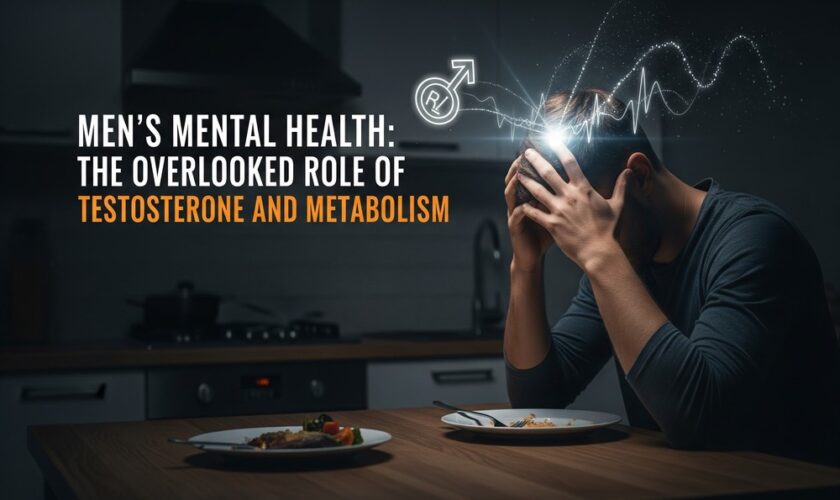
Men’s Mental Health: The Overlooked Role of Testosterone and Metabolism

Mental health conversations have expanded significantly in recent years, yet men’s emotional well-being remains one of the most underrecognized and undertreated areas of healthcare. Many men experiencing irritability, low motivation, anxiety, or depressive symptoms are encouraged to focus solely on stress management or psychotherapy-important tools, but not always the complete picture. Emerging research and clinical experience increasingly show that hormonal balance and metabolic health play a meaningful role in male mental and emotional resilience.

Testosterone, insulin sensitivity, thyroid function, sleep quality, and inflammation all influence brain chemistry, energy regulation, and emotional stability. When these systems are disrupted, mood changes may appear gradually and be misattributed to personality, aging, or external stress alone. Understanding how hormones and metabolism intersect with mental health allows for a more comprehensive approach-one that validates men’s lived experiences and expands pathways to support.

Why Men’s Mental Health Is Often Missed

Men are statistically less likely to seek mental health care, and when they do, symptoms may present differently than traditional diagnostic frameworks expect. Rather than expressing sadness, men may report irritability, emotional numbness, restlessness, or a sense of disengagement. These patterns can delay recognition of underlying mental health concerns.

Cultural expectations around stoicism and self-reliance also contribute to underreporting. Many men are taught to tolerate discomfort rather than explore its origins, leading to years of untreated emotional strain. When mental health support is pursued, the focus is often limited to talk therapy or medication without a deeper evaluation of physiological contributors.

This gap highlights the importance of broader assessments. Emotional well-being does not exist in isolation from the body. Hormonal shifts, metabolic dysfunction, and chronic stress can all influence how emotions are processed and regulated.

Testosterone and Emotional Regulation

Testosterone is commonly associated with muscle mass and sexual function, but its influence on the brain is equally significant. It plays a role in neurotransmitter activity, particularly dopamine and serotonin pathways that affect motivation, mood, and reward processing. When testosterone levels decline, men may experience fatigue, low drive, irritability, or depressive symptoms.

Low testosterone does not always present dramatically. Subtle changes-difficulty concentrating, decreased confidence, or reduced enjoyment of activities-can accumulate over time. These experiences are often dismissed as normal aging, even when they meaningfully impact quality of life.

In clinical settings focused on hormonal balance, such as those offering TRT therapy through providers like Lions OpTimal Health, evaluation often includes not just hormone levels but symptom patterns and overall health context. This approach recognizes that emotional changes may be early indicators of physiological imbalance rather than isolated mental health concerns.

Metabolism, Energy, and Mood

Metabolic health is deeply intertwined with mental well-being. Insulin resistance, obesity, and chronic inflammation affect energy availability to the brain and alter stress hormone signaling. Men with metabolic dysfunction may feel persistently tired, mentally foggy, or emotionally reactive, even when sleep and lifestyle habits appear adequate.

Blood sugar fluctuations can contribute to mood swings, anxiety, and difficulty managing stress. Over time, these patterns strain the nervous system and increase vulnerability to depression. Importantly, metabolic changes can also suppress testosterone production, creating a reinforcing cycle between hormonal decline and emotional distress.

Recognizing metabolic health as a mental health factor expands the scope of care. Addressing nutrition, physical activity, and metabolic markers can improve not only physical outcomes but emotional stability as well.

Stress Hormones and Emotional Burnout

Chronic stress elevates cortisol, the body’s primary stress hormone. While cortisol is essential for survival, prolonged elevation disrupts sleep, impairs immune function, and interferes with testosterone production. Over time, this imbalance contributes to emotional burnout and reduced stress tolerance.

Men under sustained work, financial, or caregiving stress may normalize high-stress states, unaware of their cumulative physiological impact. Emotional numbness, irritability, or detachment can emerge as protective responses rather than signs of weakness.

Understanding stress as a hormonal process rather than purely psychological reframes emotional exhaustion. It encourages interventions that address both external pressures and internal physiological regulation.

The Role of Comprehensive Hormone Evaluation

Mental health symptoms alone rarely point to a single cause. Comprehensive evaluation allows clinicians to assess testosterone levels, metabolic markers, thyroid function, and inflammatory indicators alongside emotional symptoms. This integrated perspective reduces the likelihood of overlooking treatable contributors.

Men’s hormone diagnostics, such as those used in specialized settings like EveresT Men’s Health, often examine patterns rather than isolated lab values. Testosterone that falls within a “normal” range may still be insufficient for a particular individual’s neurological and emotional needs.

When hormone imbalances are identified, treatment decisions are made cautiously and in context. The goal is not to override the body’s systems, but to restore balance in ways that support both mental clarity and physical health.

Psychological Support Remains Essential

While hormones and metabolism matter, mental health care is not replaced by physiological intervention-it is enhanced by it. Counseling and therapy remain critical tools for processing emotions, developing coping strategies, and addressing relational or cognitive patterns that influence well-being.

Mental health services that incorporate a holistic view of the individual recognize this interplay. Providers such as Kimball Health Services, which offer expert mental health care and counseling, often emphasize collaboration between medical and psychological disciplines. This ensures that emotional symptoms are explored both internally and biologically.

Therapy can be especially effective when physical contributors are addressed simultaneously. When energy levels improve and emotional volatility stabilizes, men may find it easier to engage meaningfully in psychological work.

Breaking the Stigma Around Hormones and Emotions

Many men hesitate to explore hormonal health due to misconceptions about masculinity or fear of dependency. Concerns often arise that acknowledging low testosterone (low T) signals weakness or a loss of identity. In reality, maintaining hormonal balance can support resilience, focus, and emotional regulation-qualities traditionally valued in masculine roles.

Mental health struggles are frequently minimized or externalized, and changes in mood or motivation may reflect underlying physiological imbalances. Clinics that focus on men’s health, such as EveresT Men’s Health, provide evaluation and management for low testosterone and related metabolic concerns. By identifying hormonal deficiencies and creating individualized plans, these assessments can help men address symptoms such as fatigue, low libido, or emotional fluctuations, highlighting that physiological factors can contribute to mental health challenges.

Education plays a critical role in shifting these narratives. Understanding that emotional well-being is supported by complex biological systems allows men to approach care as an act of responsibility rather than vulnerability, and encourages earlier engagement with interventions that may improve both mood and overall quality of life.

Long-Term Emotional Health and Aging

Hormonal and metabolic changes are not static; they evolve with age. Testosterone levels naturally decline over time, but the rate and impact vary widely. Lifestyle factors, chronic illness, sleep quality, and stress exposure all influence how these changes manifest emotionally.

Proactive monitoring allows men to adapt rather than react. Addressing subtle imbalances early can prevent the progression of mood disorders, cognitive decline, and burnout later in life. Emotional health in midlife sets the foundation for psychological resilience in older age.

Viewing mental health as a lifelong process encourages ongoing self-awareness and engagement with care, rather than crisis-driven intervention.

A More Integrated Model of Men’s Mental Health

The future of men’s mental health lies in integration rather than separation. Emotional well-being, hormonal balance, metabolic health, and psychological support are interconnected systems that influence one another continuously.

When care models acknowledge this complexity, men are more likely to receive accurate diagnoses and effective support. Instead of asking whether symptoms are “physical or mental,” integrated care asks how systems interact-and how balance can be restored thoughtfully.

This approach does not oversimplify mental health, nor does it medicalize emotion. Instead, it honors the reality that the mind and body function as one.

Conclusion: Reframing Emotional Health for Men

Men’s mental health deserves nuanced, comprehensive attention. Hormonal imbalances and metabolic dysfunction can quietly shape mood, motivation, and emotional resilience, often long before overt mental health diagnoses emerge. Recognizing these connections expands the conversation and creates more pathways to support.

By approaching emotional well-being through both medical and psychological lenses, men gain access to care that reflects their full experience. Balance, rather than quick fixes, becomes the goal-supporting not just symptom relief, but long-term emotional stability, clarity, and quality of life.

read more
Home

Luxury Condo Living Redefined with Premium Amenities for Modern Residents

City life keeps changing, so new homes try to match fresh hopes and daily needs. A condo gives people private space with shared features that feel warm rather than formal. Residents look for useful touches that save time while also adding simple joy. Modern homes rise beyond simple walls to create places that support real living through thoughtful design and helpful shared spaces, making every day smoother and brighter for people buying a condo in Chicago in a positive and confident way.

Smart Home Touch

Modern systems inside each condo make living simple for residents. Settings adjust with little effort, so daily life feels lighter. Clear controls help older people as well as younger folks. Flexible tools grow with new habits rather than locking people in.

Wellness Focused Spaces

Active zones inside each condo community support healthy movement and calm minds. Natural light flows through open rooms that invite slow breathing. Simple restful corners help people pause between busy hours. Clean layouts reduce stress, so life feels steady and fresh.

Social Lounge Areas

Shared lounges inside the condo help neighbors meet with ease. Friendly layouts remove barriers so chats begin without effort. People feel welcome as soon as they step inside. Warm seating and soft design encourage real human connection each day.

Work Friendly Corners

Quiet rooms inside the condo help people focus with fewer distractions. These areas support study or creative projects with steady energy, showing why buying a condo in Chicago can be a positive choice. People can switch between tasks without leaving home, which saves time. The setting keeps minds fresh so ideas can grow.

Fitness And Movement

Residents enjoy spaces inside the condo that support active living through daily routines.

  • Gentle stretches bring easy movement to the whole body
  • Guided exercise helps beginners start simple positive habits
  • Light training supports steady strength gains over time
  • Relaxed breathing flows through each mindful practice
  • Group sessions create friendly energy for every skill level

Here, many people begin healthier paths without pressure.

Family Friendly Features

Families find areas inside the condo that allow joyful time together.

  • Play corners spark imagination for young, curious minds
  • Reading rooms encourage shared learning for all ages
  • Safe spaces support quiet moments between busy days
  • Open layouts invite relaxed conversation for everyone
  • Creative zones inspire art projects with simple tools

A gentle closing thought reminds us that modern housing should support daily living rather than distract from it. When homes offer helpful features and a kind design, people thrive with steady routines and welcoming surroundings. Such places encourage real growth for families while also giving space for personal dreams. Over time, these settings become more than walls because they shape happier lives inside caring communities.

FAQs

What makes condo life feel special for many families?

People enjoy shared areas with privacy, which supports simple living

How do residents benefit from shared wellness spaces?

They gain healthy routines while feeling supported through daily life

Why do people choose work corners within home spaces?

Quiet, focused rooms reduce stress, which helps productivity grow steadily

read more