
Introduction: Why You Might Still Struggle to Breathe After Treating Your Sinuses
Despite undergoing various treatments for sinus issues, you might still find yourself struggling to breathe comfortably. Treatments often focus on alleviating symptoms without addressing underlying structural problems. Chronic sinus issues can persist, leading to discomfort, disrupted sleep, and a reduced quality of life. Understanding why these symptoms linger is the first step toward finding a comprehensive solution.
Many individuals experience persistent breathing difficulties because common treatments may not consider the full extent of nasal obstructions. In some cases, treatments focus solely on the sinus cavities, neglecting other potential contributors like septal deviations or nasal valve collapse. Without addressing these structural anomalies, breathing can remain impaired despite clear sinuses.
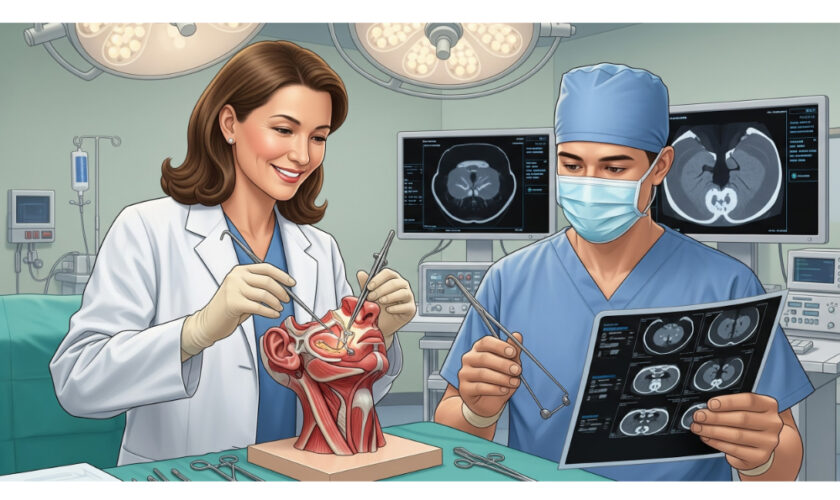
The collaboration between ENT specialists and facial plastic surgeons offers a more holistic approach to nasal care. By working together, they can diagnose and treat both the functional and structural aspects of nasal obstruction. This integrated approach ensures that all contributing factors are addressed, leading to more effective and lasting relief.
What Functional Rhinoplasty Actually Means
Functional rhinoplasty goes beyond the aesthetic enhancement of the nose. It focuses on improving nasal function, addressing structural issues that impede airflow. Unlike cosmetic rhinoplasty, which primarily aims to change the nose’s appearance, functional rhinoplasty targets the internal structures that affect breathing.
This surgical procedure can correct various issues such as a deviated septum, enlarged turbinates, and nasal valve collapse. By reshaping these structures, functional rhinoplasty enhances airflow and resolves chronic sinus issues. It’s a specialized procedure that requires careful planning and execution to achieve the desired functional improvements.
Functional rhinoplasty is often a collaborative effort between ENT specialists and facial plastic surgeons. Their combined expertise ensures that both form and function are optimized, resulting in a nose that not only looks good but also works efficiently. This teamwork is essential for achieving the best possible outcomes for patients seeking trusted rhinoplasty care in North Texas and beyond.
The Role of an ENT in Diagnosing the Root of Breathing Problems
ENT specialists play a crucial role in identifying the underlying causes of breathing difficulties. They use a comprehensive approach to evaluate the nasal passages, sinus cavities, and throat to determine the source of obstruction. By assessing these areas, ENTs can provide a precise diagnosis and tailor a treatment plan to your specific needs.
Advanced diagnostic tools, including nasal endoscopy and CT scans, allow ENTs to visualize the internal structures of the nose and sinuses. These tools help identify issues such as polyps, sinus infections, and structural abnormalities. Accurate diagnosis is essential for effective treatment, ensuring that all contributing factors are addressed.
ENTs also evaluate the impact of allergies on nasal function. Allergies can exacerbate sinus issues, leading to chronic inflammation and congestion. Identifying and managing allergies is a critical component of successful treatment, making allergy testing an important step before considering surgery.
How Sinus Imaging Guides the Surgical Plan
Sinus imaging plays a pivotal role in planning surgical interventions for breathing problems. Advanced imaging techniques provide detailed views of the sinus cavities and nasal structures, enabling precise identification of issues. This information is invaluable for formulating a surgical plan that addresses the root causes of nasal obstruction.
CT scans are a common imaging modality used in sinus evaluation. They offer high-resolution images that reveal the anatomy of the sinuses and any abnormalities present. These scans help surgeons understand the extent of structural issues and plan corrective procedures with precision.
The insights gained from sinus imaging allow for a tailored surgical approach. Surgeons can identify specific areas that need intervention, whether it’s correcting a deviated septum, reducing turbinates, or addressing nasal valve collapse. This level of detail ensures that the surgery is both effective and minimally invasive, promoting a smoother recovery process.
The Facial Plastic Surgeon’s Expertise: Form, Function, and Facial Balance
Facial plastic surgeons bring a unique set of skills to the table, focusing on the aesthetics and structural harmony of the face. Their expertise ensures that any functional improvements to the nose are complemented by a balanced and natural appearance. This dual focus on form and function is essential for achieving optimal results in rhinoplasty.
These surgeons are adept at reshaping the nose while maintaining its structural integrity. They consider factors such as nasal symmetry, proportion, and the overall balance of facial features. By addressing both the functional and cosmetic aspects, facial plastic surgeons help enhance both breathing and appearance.
Collaboration with ENT specialists allows facial plastic surgeons to integrate functional improvements with aesthetic goals. This partnership ensures that the surgical outcomes meet your expectations, providing both relief from breathing difficulties and satisfaction with your appearance. This collaborative approach delivers comprehensive nasal care.
When Balloon Sinuplasty Isn’t Enough: Next Steps
Balloon sinuplasty is a minimally invasive procedure used to treat chronic sinus issues. It involves inserting a small balloon into the sinus passages and inflating it to widen the openings. While effective for many, balloon sinuplasty may not address all underlying structural issues, necessitating further intervention.
In cases where balloon sinuplasty is insufficient, additional surgical options may be considered. Functional rhinoplasty, which addresses structural abnormalities in the nose, can provide a more comprehensive solution. This procedure can correct issues like deviated septums and nasal valve collapse that balloon sinuplasty alone cannot fully resolve.
If you continue to experience breathing difficulties after balloon sinuplasty, it’s essential to consult with both an ENT specialist and a facial plastic surgeon. Together, they can assess your condition and recommend the most appropriate next steps. This collaborative care ensures that all aspects of your nasal health are considered, leading to better breathing and improved quality of life.
Is Allergy Testing Still Important Before Surgery? Yes—Here’s Why
Before undergoing any nasal surgery, allergy testing remains a crucial step. Allergies can significantly impact nasal function, contributing to inflammation, congestion, and chronic sinus issues. Identifying and managing allergies can enhance the effectiveness of surgical interventions and improve overall outcomes.
Allergy testing provides valuable insights into the specific triggers that affect your nasal health. By understanding these triggers, you and your healthcare team can develop a comprehensive treatment plan that includes both surgical and non-surgical strategies. This approach ensures that all factors contributing to your nasal obstruction are addressed.
Incorporating allergy management into your treatment plan can also aid in post-surgical recovery. Reducing allergic reactions and inflammation can promote healing and prevent complications. By considering allergies as part of the pre-surgical evaluation, you set the stage for a more successful and lasting resolution of your breathing difficulties.
Recovery Expectations: What to Know After Functional Rhinoplasty
Recovering from functional rhinoplasty requires patience and adherence to post-operative care instructions. Understanding what to expect during the recovery process can help you prepare and manage your expectations. While individual recovery experiences vary, there are common elements that most patients encounter.
Initial recovery typically involves swelling, bruising, and some discomfort around the nose and eyes. Your surgeon will provide detailed instructions on managing these symptoms, which may include the use of cold compresses and prescribed medications. It’s important to follow these guidelines to promote healing and reduce swelling.
As the healing process progresses, you’ll gradually notice improvements in your breathing. However, full recovery can take several weeks to months, during which time you’ll have follow-up appointments with your surgeons. These visits allow your medical team to monitor your progress and make any necessary adjustments to ensure optimal outcomes.
Breathing Better—and Smarter: The Future of Collaborative Nasal Care
The journey to better breathing involves more than just treating symptoms; it requires a comprehensive approach that addresses both functional and structural issues. By combining the expertise of ENT specialists and facial plastic surgeons, you can achieve lasting relief from chronic nasal obstruction and sinus issues.
Collaborative nasal care ensures that all aspects of your condition are considered, from sinus imaging and allergy testing and management to functional rhinoplasty. This integrated approach not only improves your breathing but also enhances your overall quality of life. This model of care offers a promising path to better health.
If you continue to experience nasal obstruction despite previous treatments, consider exploring the benefits of collaborative care between ENT specialists and facial plastic surgeons. This comprehensive approach, guided by advanced sinus imaging and functional rhinoplasty, can address both chronic sinus issues and structural concerns. By taking action today, you can look forward to breathing better and living smarter. Contact a trusted team of ENT and facial plastic surgeons to discuss your options and embark on a journey toward improved nasal health.